Wardogs price warning: ‘Don’t buy it
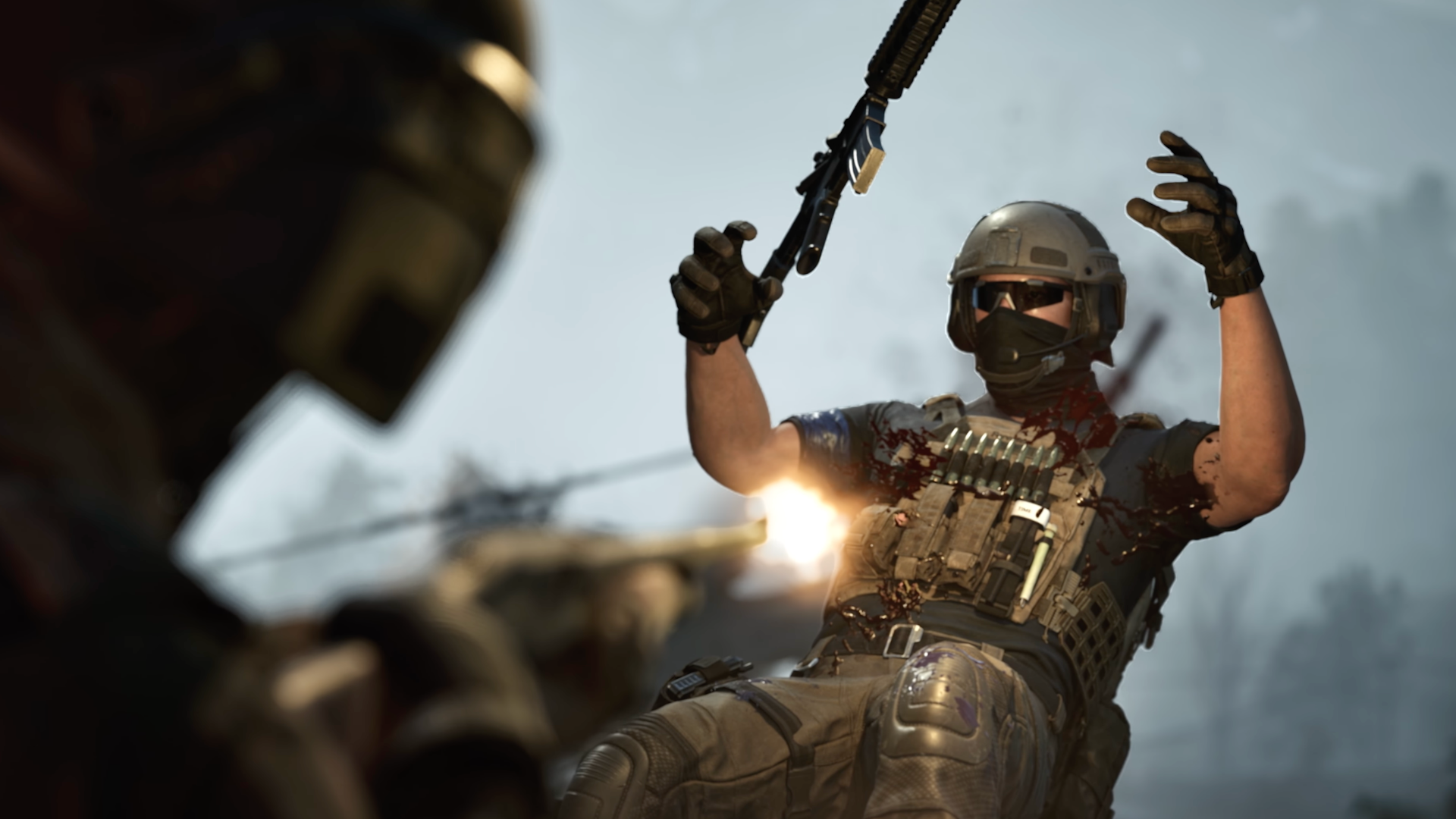
The Price of Polish: How a Single Indie Game is Redefining Early Access Pricing
In the often-turbulent world of game development, where early access deals are a constant source of debate, a single title has managed to set a new benchmark for pricing and developer expectation: Wardogs. The game has become a breakout hit on Steam, and the economics surrounding its launch are sparking a wider conversation about what quality truly costs in the digital marketplace.
At the heart of this discussion is the pricing strategy implemented by the developers of Bulkhead. Joe Brammer, the CEO of Bulkhead and executive producer, has made it clear that the price point is not arbitrary; it is a reflection of the substantial investment required to create a high-fidelity experience. Currently priced at $40 for early access, Brammer is positioning the game as a premium product that will evolve alongside its development.
The developers are employing a clear scaling model, suggesting that as the game expands with more content and features, so too will its price. Brammer projects this growth, detailing a roadmap that anticipates an increase to $49.99 within twelve months and $59.99 within twenty-four months. This approach is a deliberate attempt to ensure the game remains sustainable and to justify the extensive time and financial resources poured into its creation.
This strategy positions Bulkhead as a bridge between the “indie” and “AA” categories. Brammer acknowledges that while the game has indie roots, the quality—specifically the high-fidelity graphics and complex physics—demands a price commensurate with a larger, more expensive endeavor. He argues that the cost of producing such a polished FPS game is significant, and players should expect that premium quality for the price they pay.
The developer’s philosophy centers on value. Brammer asserts that the game is worth its price, and if players are not aligned with that valuation, he invites them to seek out alternative options. This stance sets a powerful precedent, suggesting that developers can confidently set prices based on the actual cost of production rather than simply chasing the lowest possible figure.
This move is more than just an adjustment of numbers; it is a statement about the future of monetization in the gaming industry. By linking price directly to development milestones, Bulkhead is signaling that long-term support and quality control are paramount. The message is clear: investing in a game requires investment in its development, and that investment must be recognized when the game hits the market.
Credit