
Wild Blue Skies stunning visuals and action reviews
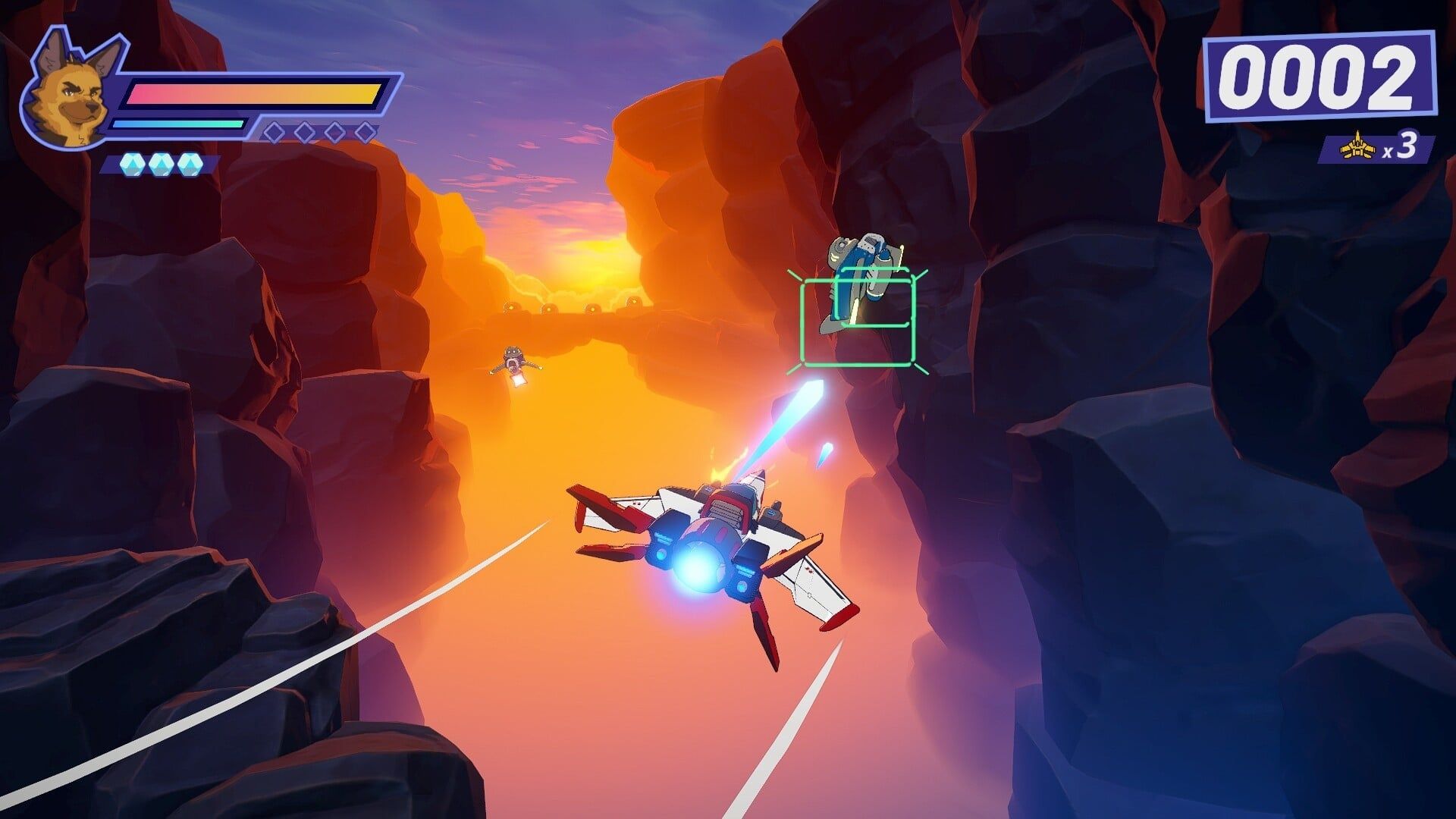
The world of gaming often throws spectacular parties, but sometimes those parties leave everyone feeling a little confused about where to put their confetti. This is the case with the recent arrival of Wild Blue Skies, the spiritual successor to the beloved Star Fox 64.
This highly anticipated title has just landed on the Xbox Series X and Xbox Series S platforms, priced attractively at £13.99 / $14.99. With such high expectations built up over years, the launch immediately triggered a lively debate: is this a triumphant return to the golden age of 3D racing, or a disappointing detour?
The answer, as with many exciting new releases, remains stubbornly mixed. Critics and players are clearly divided, splitting into camps of enthusiastic praise and significant disappointment.
Some reviewers are absolutely thrilled, hailing the game as a nostalgic masterpiece that perfectly captures the essence of its predecessors. They point to seamless gameplay, vibrant visuals, and an undeniable sense of speed that pulls you right back into the cockpit of the Star Fox era.
Conversely, others have expressed considerable disappointment, feeling that the transition hasn’t landed quite right. Concerns often revolve around execution, pacing, or whether the game manages to fully recapture the magic of classic arcade racing while adapting for modern hardware.
The resulting atmosphere is a true reflection of the evolving gaming landscape: there are those who find exactly what they were looking for and those who wish the experience had been smoother. The middle ground is where the real conversation lies—a healthy blend of appreciation and critique.
Ultimately, whether Wild Blue Skies is considered a triumph or a disappointment may depend entirely on your personal connection to retro racing and what you prioritize in modern gaming experiences. It’s a game that has certainly sparked the conversation, proving that sometimes, the most exciting stories are found not in the finished product, but in the diverse range of reactions it generates.
Buy on Amazon
Credit