Yoko Taro fights dementia by making games
Yoko Taro, the enigmatic mastermind behind some of the most celebrated and critically acclaimed RPGs of the modern era, appears to have reached a fascinating inflection point in his career. With a prolific track record spanning the Drakengard and Nier franchises, the creator is now reflecting on the fulfillment of his creative ambitions and contemplating a shift in lifestyle.
In a recent conversation with fellow developer Keisuke Okabe, Yoko Taro offered a candid perspective on his journey. He revealed that he feels he has achieved the goals he set out for himself within the medium, suggesting that his subsequent projects have been driven more by personal exploration than external demands.
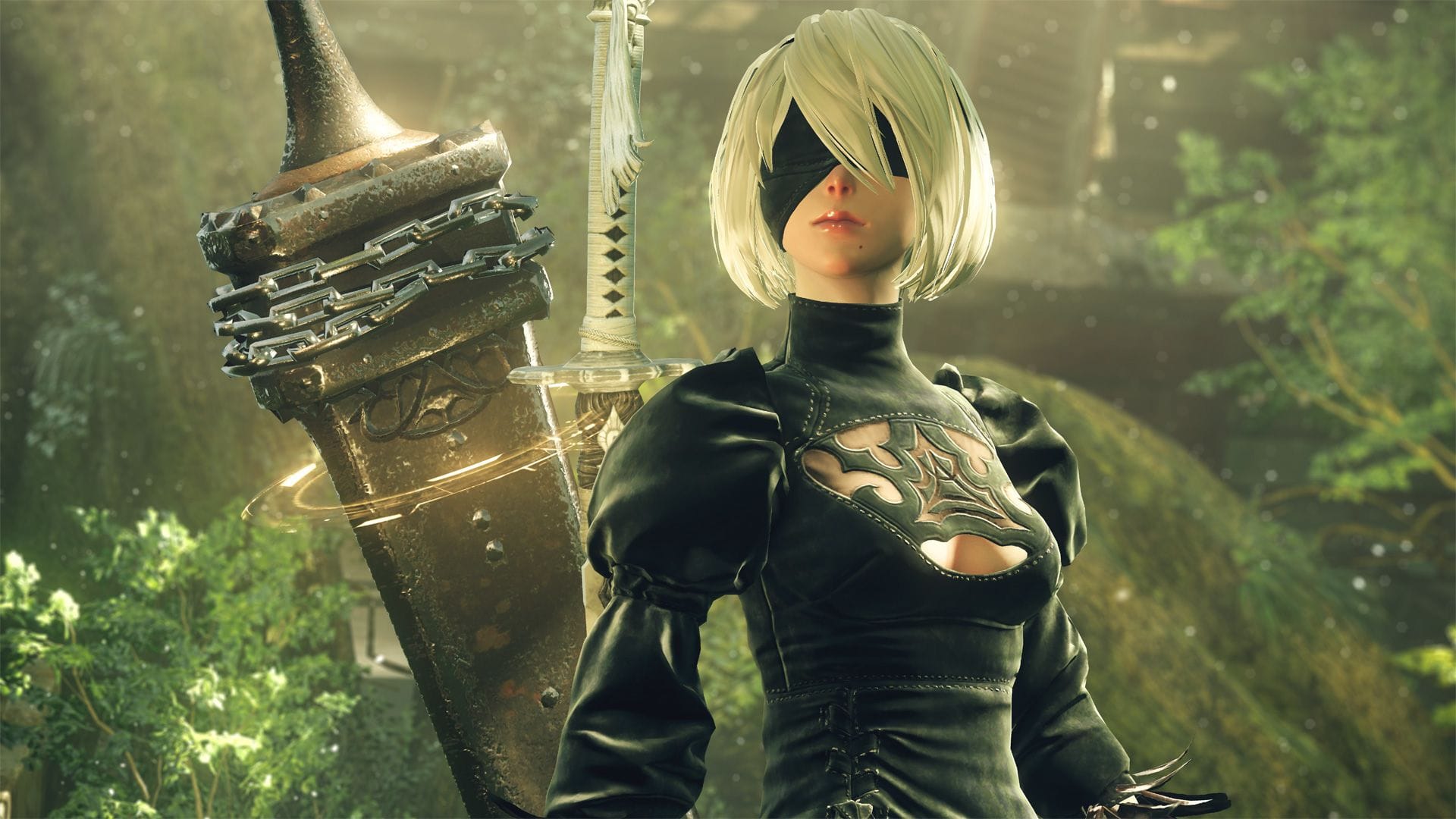
The story of Yoko Taro’s development path is one of massive impact. His initial work with Drakengard established a unique style, but it was the second installment, Nier: Automata, that truly exploded across the global stage. It propelled the entire franchise into the spotlight, cementing Taro’s status as a celebrated creative force in the gaming world.
Despite the success and satisfaction of his achievements, Taro is not bound by conventional schedules. He openly admits that he does not adhere to a strict work routine, and financially, he is in a position to consider stepping away from making games full-time. Emotionally, he has reached a point where he feels, simply, that he is done working.
However, this shift doesn’t mean a complete cessation of creative activity. Taro maintains a powerful, unexpected motivation to continue working to some extent: to proactively prevent the onset of dementia. He notes that studies suggest the risk of developing the condition increases if one retires too early, and he uses this scientific motivation as a powerful drive.
“Even now, there are a lot of frustrating things concerning my work,” he shared, “but when they do happen, I overcome them by telling myself: This is good for preventing dementia.”
This perspective transforms the act of game development into a personal mission—a means of maintaining cognitive health while still engaging with the creative world he loves. For a creator known for pushing artistic boundaries, this realization adds a unique, deeply personal layer to his ongoing work, ensuring that his legacy continues to be shaped, even if his pace changes.
Buy on Amazon
Credit
