
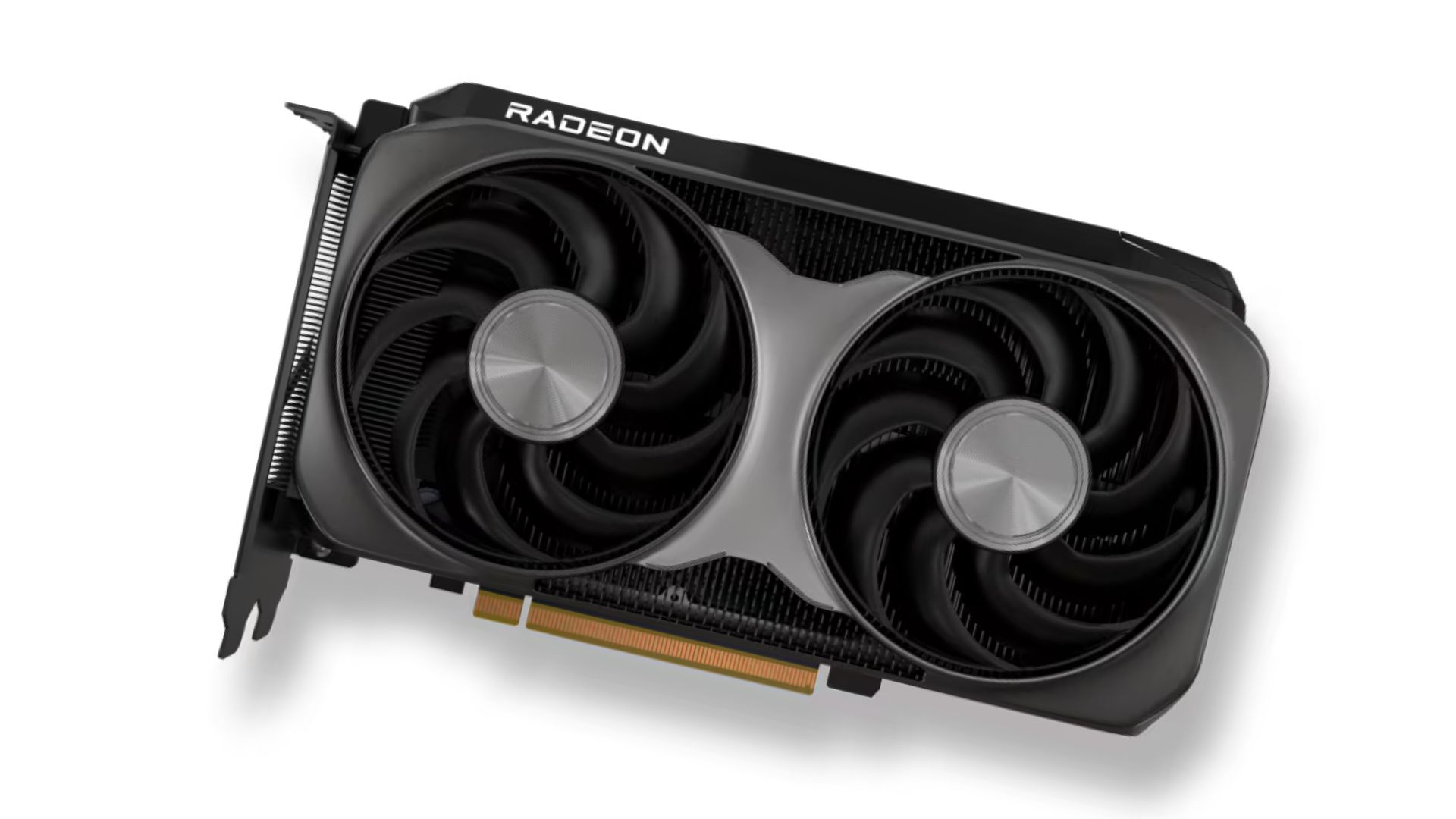
AMD RX 9050 variant confirmed with only 4GB VRAM
The Great VRAM Race: Setting the New Standard for Gaming Hardware
The landscape of gaming graphics hardware is undergoing a fascinating evolution, driven by the relentless demand for smoother, more immersive experiences. For years, gamers and developers have been navigating the complexities of video memory, constantly seeking the perfect balance between performance and price. Now, a clear consensus is emerging about what truly constitutes a solid foundation for modern gaming setups.
The emerging baseline expectation for gaming GPUs is settling in: 8GB of VRAM is rapidly becoming the standard benchmark for gaming hardware projected for 2026. This consensus reflects a mature understanding among the community about the minimum memory required to handle today’s and tomorrow’s high-fidelity titles without significant compromises.
However, the reality of current hardware preferences is even more surprising when looking at the latest community data. A recent Steam hardware survey reveals a significant shift in what players are actually opting for, demonstrating a hunger for more memory. The most common graphics card configuration reported by the community is now 16GB of VRAM.
This data paints a vivid picture of the community’s desire for expansive visual fidelity. While 8GB serves as a functional floor, 16GB is clearly where the enthusiast market is gravitating, pushing developers and manufacturers to innovate beyond the minimum.
Despite this established preference, the competitive spirit remains alive. This drive for greater memory capacity has not halted major industry players. For instance, even as the community pushes for higher specifications, competitors continue to innovate and release new hardware. AMD, for example, has continued its trajectory by releasing new options, including a recent 4GB configuration, ensuring that the supply of diverse graphics options remains robust and exciting for everyone involved in the gaming ecosystem.
Buy on Amazon
Credit