
Marvel Tokon trails Guilty Gear and BlazBlue in Japan sales
The Great Disappointment: Why Marvel Tokon’s Fighting Souls Didn’t Capture the Japanese Market
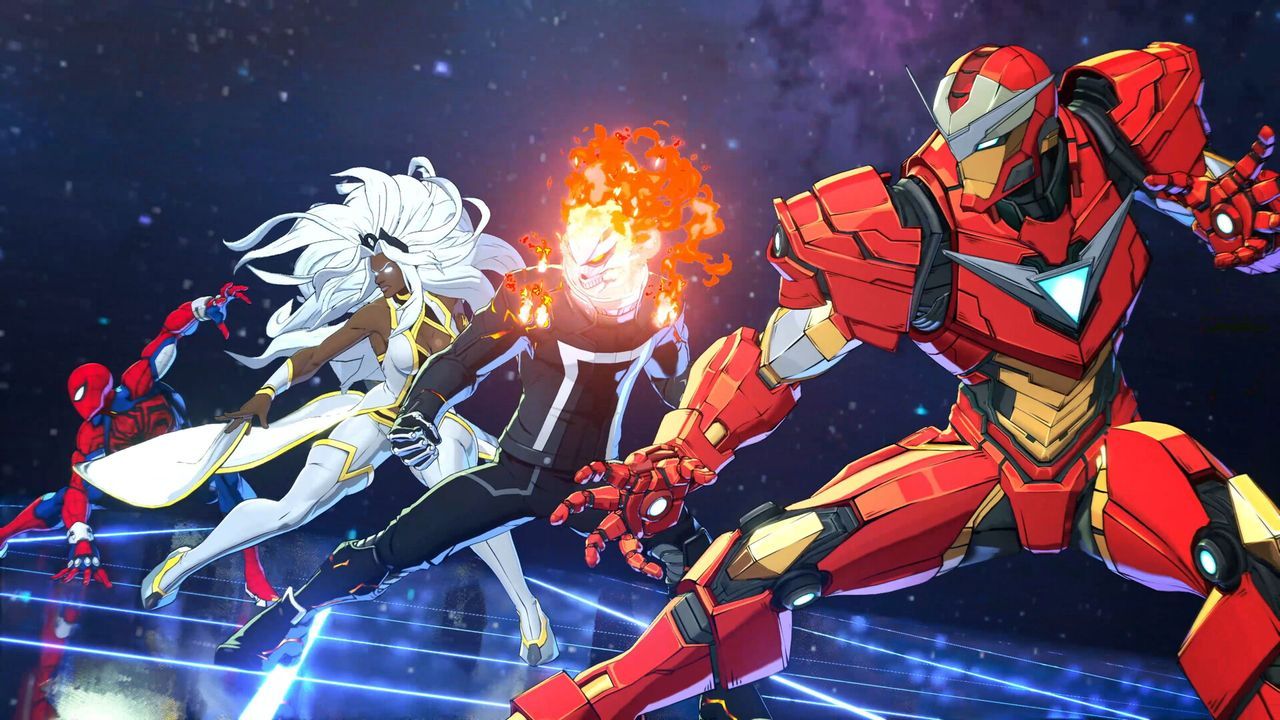
In the fiercely competitive world of tag-team fighting games, some titles achieve legendary status, while others fade into obscurity. Marvel Tokon: Fighting Souls is certainly a highlight, lauded by many as the prettiest fighting game in years and a rousing comeback for the Marvel tag fighter. Yet, despite this critical fanfare, the game has faced a significant commercial stumble in Japan, struggling to translate high praise into robust sales.
The reality is a stark contrast. While critics celebrate the game’s design and gameplay, sales figures paint a much bleaker picture. In the first week of release, the game barely managed to enter the sales charts. Famitsu’s tracking showed only 2,814 PS5 discs sold in the first week on sale, failing to compete with massive sellers like Super Mario Wonder’s Switch 2 Edition, which moved 1,444 copies.
This disappointing start set the stage for widespread concern among industry observers. Tracking data revealed that the first week was reportedly “the worst launch for an Arc System fighter” in the country, especially when compared to established franchises. Even some oft-forgotten titles managed to outsell the new release during its launch period, illustrating the gap between hype and market reality.
The disparity in performance is particularly jarring when considering the game’s broader potential. Estimates suggest that Marvel Tokon: Fighting Souls sold 485,000 copies globally across Steam and PS5 in its first week. This global performance starkly contrasts with the lukewarm reception in the Japanese market, suggesting a significant chasm between international enthusiasm and local consumer engagement.
Analysts point to several potential culprits for this market performance. Some suggest that the game’s reception may be influenced by broader shifts in consumer preferences—perhaps a waning interest in Marvel’s superpowers within Japan, or a subtle shift away from the PlayStation platform, which during that week saw only three PS5 games dominate the charts.
The gap between promise and performance is a classic story in gaming. While the game itself delivered a satisfying experience, the commercial outcome reveals that even the most critically acclaimed titles must navigate the unique cultural and market currents of their home territory to truly succeed. The question remains: what adjustments are needed to bridge the gap between critical adoration and commercial success for future releases?
Credit