
Arm Nvidia gaming laptops get closer to launch with new performance stats
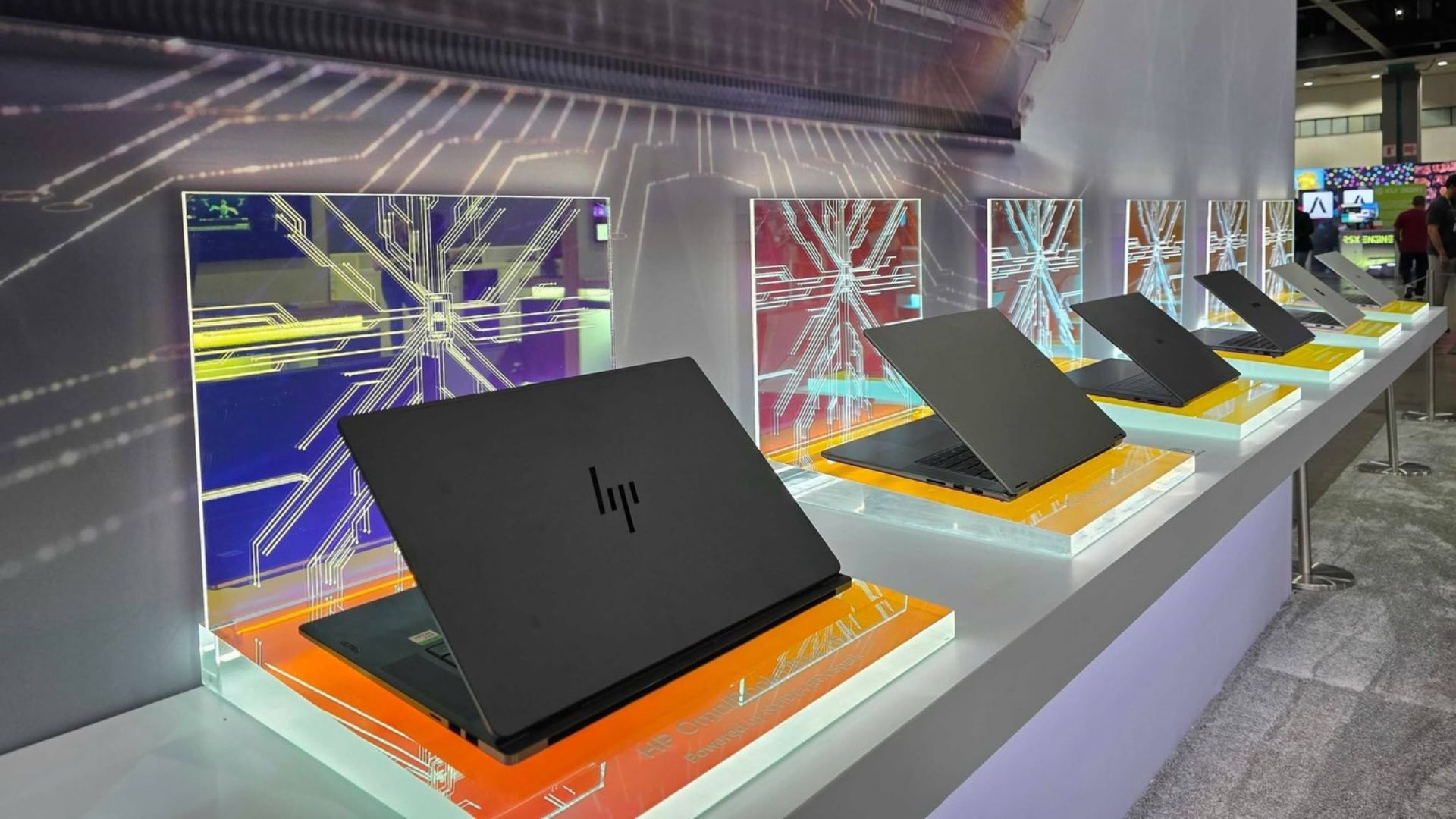
Nvidia Sparks a New Era: Arm Powering the Next Generation of Gaming Hardware
The landscape of high-performance computing is undergoing a profound transformation, and at the forefront of this evolution is Nvidia’s ambitious pivot toward power efficiency through Arm architecture. In May, at Taiwan’s Computex trade show, Nvidia made a bold move by unveiling its new line of Arm-based RTX Spark chips, signaling a strategic shift aimed squarely at capturing a growing segment of the gaming hardware market.
This move represents more than just a product announcement; it is a declaration that power efficiency and architectural flexibility are becoming the new benchmarks for elite gaming performance. By leveraging Arm technology, Nvidia is positioning itself to offer systems that deliver uncompromising graphical fidelity while dramatically reducing power consumption—a crucial factor for both gamers and manufacturers looking for sustainable solutions.
The shift away from conventional x86 chips towards Arm-based processing addresses a fundamental need in the gaming sector. As hardware becomes more portable and energy management becomes paramount, the efficiency offered by the Arm architecture provides an ideal foundation for designing next-generation systems that are both powerful and sustainable.
This is not Nvidia’s first foray into this territory. The company already possesses valuable experience with creating sophisticated Arm gaming chips, having successfully implemented this technology for more portable devices, including gaming hardware for brands such as Nintendo. This established background gives Nvidia a significant head start in integrating and scaling the new RTX Spark line.
The integration of these power-efficient components suggests a future where performance is decoupled from sheer power consumption. Nvidia is pioneering a path where cutting-edge graphics processing can coexist seamlessly with energy-saving design principles, opening up exciting possibilities for hardware innovation across the entire industry.
Credit