
Black Myth’s Zhong Kui vs Wukong: The Epic Visual Difference
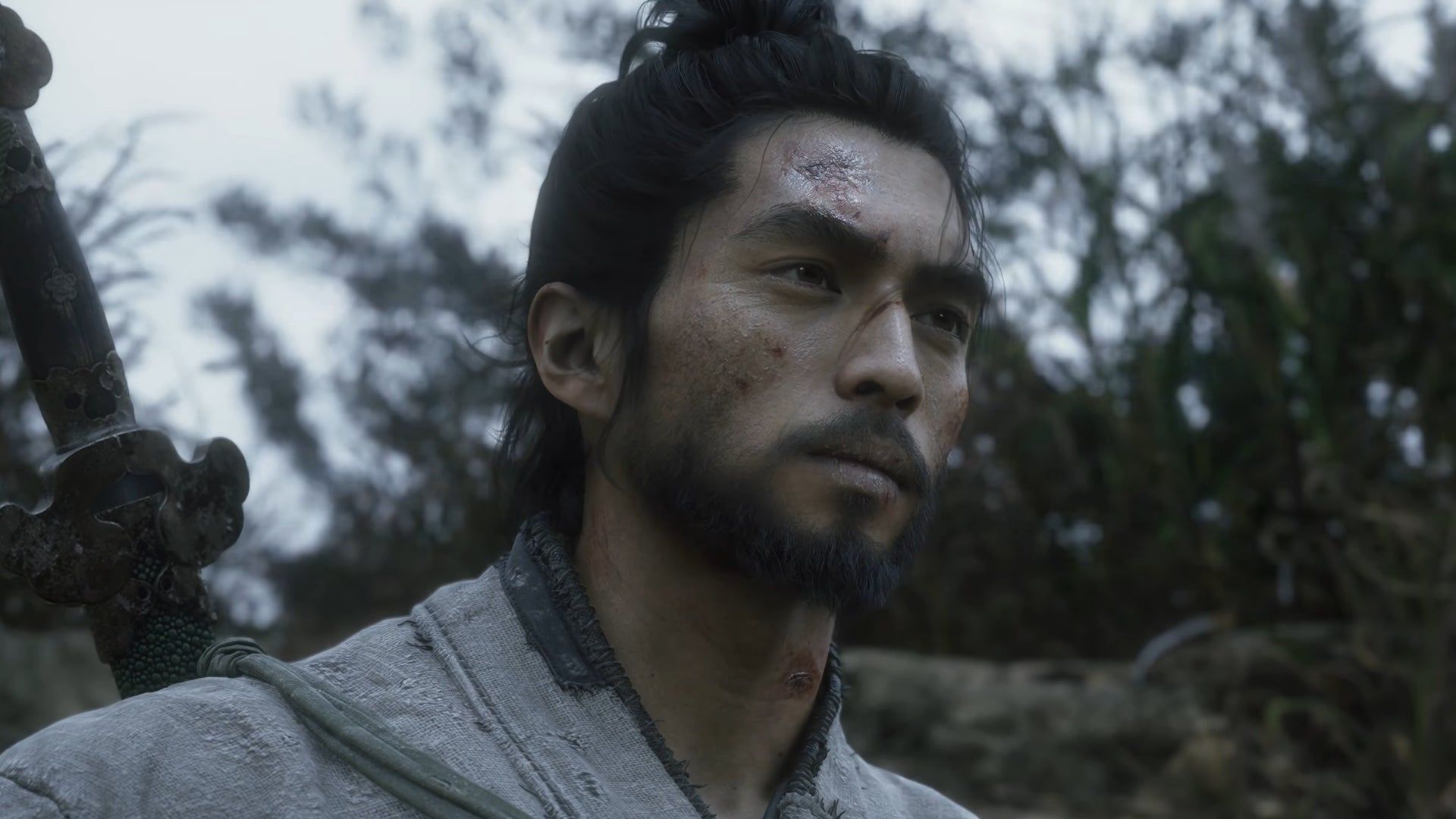
When a developer creates a triple-A fantasy, the expectation is often pure, unadulterated spectacle. This is the standard we saw in Black Myth: Wukong, a game lauded for its mythological scale and visual grandeur. But as we look ahead to Black Myth: Zhong Kui, a change in focus is emerging—a shift from dizzying action to grounded, character-driven narrative. And frankly, that shift might be the most exciting development yet.
Initially, the gameplay trailer for Wukong set a bar impossibly high. We witnessed breathtaking natural environments and epic battles that seemed to defy reality. Yet, beneath the visual fireworks, a deeper truth emerged: the lasting impact of Wukong was not in the sword-clashes or the massive scope of the world, but in the ideas it explored. The game managed to weave themes of selfhood, freedom, and spiritual enlightenment into a surprisingly touching narrative, offering a profound commentary on history and the human condition.
Now, as we turn our attention to Zhong Kui, the approach seems to be deliberately different. Instead of towering landscapes and epic combat, the early footage invites us into a quieter, grittier world. We see our protagonist engaging in smaller, more intimate activities—fishing, building a boat, and engaging in charming, almost silly interactions with the environment. This change suggests a pivot away from pure spectacle and toward emotional intrigue.
This transition is more than just aesthetic; it reflects a fascinating shift in ambition. While the action elements are undeniably present and promise plenty of fun, the focus seems to be less on the scale of the boss fights and more on the story and character development. This refocus on narrative, rather than pure visual dazzle, promises an experience that is deeply engaging and thought-provoking.
The difference highlights a crucial point about game development. For many players, Wukong was a visual masterpiece. But the enduring magic lay in its emotional resonance. The potential for Zhong Kui lies in harnessing that emotional depth, allowing the story and character to take center stage. It suggests a game that doesn’t just impress with its graphics, but moves the player and prompts deep reflection.
This evolution aligns with the philosophy driving the development team, Game Science. The company’s stated principles emphasize making the kinds of games they want to play themselves, rather than chasing fleeting consumer trends. This commitment suggests that Zhong Kui may deliver a uniquely tailored experience, one that prioritizes artistic vision and narrative substance over simply maximizing commercial appeal.
Buy on Amazon
Credit