Bob-omb Battlefield The Essential 3D Platforming Level
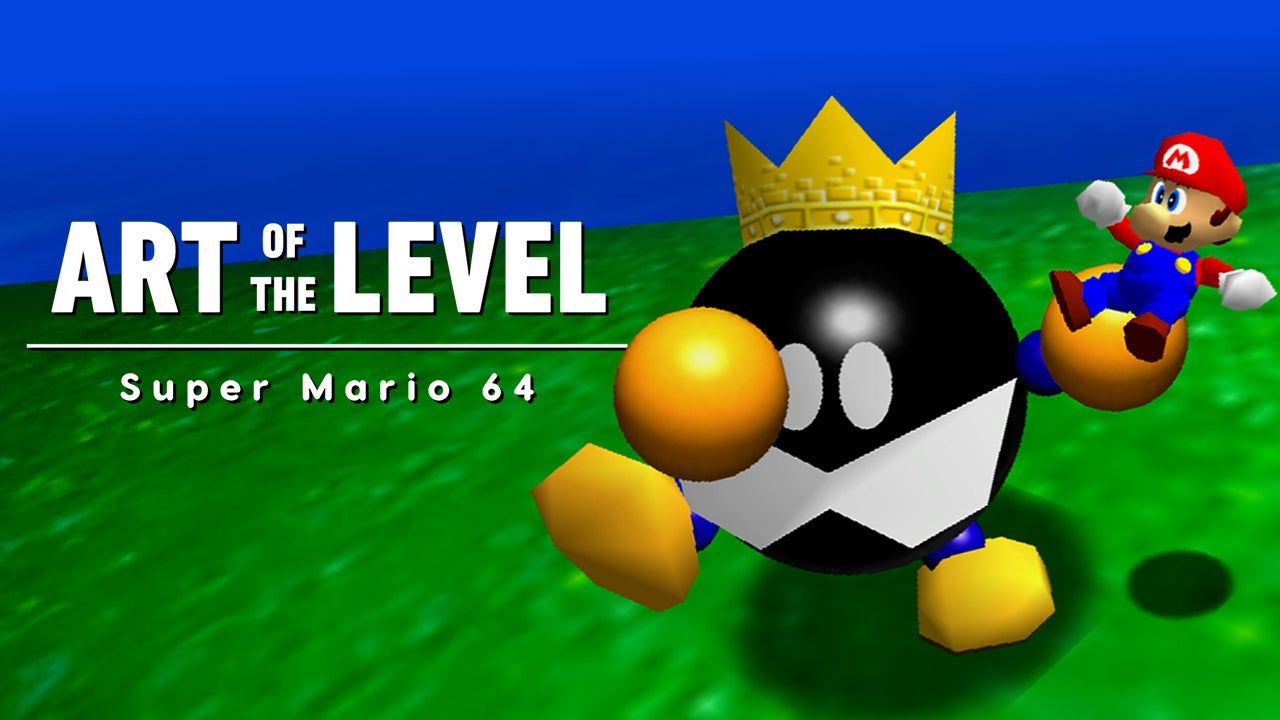
The Art of War: How Bob-omb Battlefield Set the Standard for 3D Gaming
Few levels in gaming history possess the pure, unapologetic artistry of Bob-omb Battlefield. It is more than just a stage; it is a masterpiece that fundamentally established a new grammar for three-dimensional movement and infused traditional wordless worlds with an immersive sense of storytelling. This first challenge course of Super Mario 64 proved that a landscape, even one devoid of dialogue, could inspire epic conflict and invite players into a world worth conquering.
What makes this warzone so compelling? How many times can you climb the same hill? The genius of the level lies in its perfectly tailored progression, guiding you across enemy lines and up a mountain in pursuit of seven perfect stars. It is a visual and mechanical triumph that deserves to be hung on any gaming wall.
The tutorial space within Mario 64 is legendary, but stepping onto Bob-omb Battlefield shifts the focus from simple exploration to true action. The castle grounds offered a verdant playground for triple jumps; the battlefield introduces hostility and failstates, forcing players to immediately test their new skills in pursuit of survival.
Inside the castle, an unassuming room held a piece of visual genius: a painting etched in four thousand humble pixels that demands attention. The composition, showing round bombs marching toward conquest from a low perspective, is deeply inviting—it essentially whispers, “come on in.” This simple artwork sets the stage for the chaos to come.
The game doesn’t simply tell you how to start the level; it invites experimentation. You are left to experiment in a subtle continuation of the lesson that began outside, bashing your head against the wall until the canvas ripples and Mario takes the plunge.
Boots on the Ground
Before Bob-omb Battlefield was introduced, early demos showcased Whomp’s Fortress—a stark, abstract geometry floating in a void. Miyamoto’s vision called for a river to cut through the war zone, but when that proved impractical, the team carved out the level’s signature valley, creating the first true challenge in the game.
This terrain serves as a perfect metaphor for conflict, splitting the field of combat like the scars of the Somme. Mario finds himself in a green meadow, confronting an elevated chunk of land blocked by barbed wire and an island looming in the distance. Beyond it lies a fortified hill where the mad king rains watery hell on his enemies—a magnificent vista that is as arresting as the artwork itself.
The battlefield is a tapestry of exploration, filled with nooks and crannies where players can discover hidden teleporters and curious clear cubes. Mildly dangerous baddies and bubble barrages keep Mario on his toes. Whether you brave the canyon or find a locked gate, the world seems vast through the lens of a Lakitu, yet reveals a compact simplicity upon closer inspection.
Interestingly, the level introduces an early lesson in consequence. The friendly Bob-ombs initially seem uninterested in attacking, but they can seize firepower if Mario clears the way. This is the moment where players learn that even friendly NPCs must be managed, encouraging an insurgency against the tyranny of King Bob-omb.
Regicide and Reckoning
The journey toward the summit leads inevitably to confrontation with the spherical sovereign. The path involves navigating wrought iron gates and a winding path through the brutality of No Bob-omb’s Land. This section teaches us that enemies are grabbable, and war marches on—the cannons continue after his demise.
The ultimate confrontation with King Bob-omb is less a simple duel and more a guided lesson in game mechanics. The king, constructed from 2D images animated with a 3D effect, forces Mario to engage with new control methods. He teaches the player that punching some bad guys defeats them outright, while pressing the same button results in grabbing more ergonomic foes. The conflict boils down to simple binary choices: death or uppies.
The king’s defeat is explosive and dramatic. His final moments allow him to hint at a larger destiny, setting up the next phase of the adventure. He leaves behind not just shattered bodies but a narrative prompt, ensuring that the journey continues with the pursuit of the remaining stars and secrets within the castle.
The level’s design fosters relentless curiosity. The addition of alternate routes, such as the race with Koopa the Quick, introduces an element of skill-based challenge and randomness, turning coin collection into a strategic sprint. These choices ensure that no two playthroughs feel exactly alike.
A Legacy That Endures
The soundscape of Bob-omb Battlefield is inseparable from its revolutionary package. The melodic theme runs through all of Mario 64, Koji Kondo’s masterful technique allowing the music to bend and reflect the shifting scenes—from frantic ragtime sliding music to epic combat scores.
From its debut on a toy store kiosk to its modern remakes, the level remains a touchstone for gamers. Fans have spun their own lore and the community has dedicated decades to tearing the code, unlocking glitches, and discovering hidden secrets.
The legacy of Bob-omb Battlefield is not just about jumping or shooting; it is about art that encourages you to jump right in. It reminds us that the best levels are those that weave a compelling story through physics and design, leaving players with memories far deeper than any score.
Buy on Amazon
Credit