Valve’s New Hardware Sparks a Revolution in PC Gaming
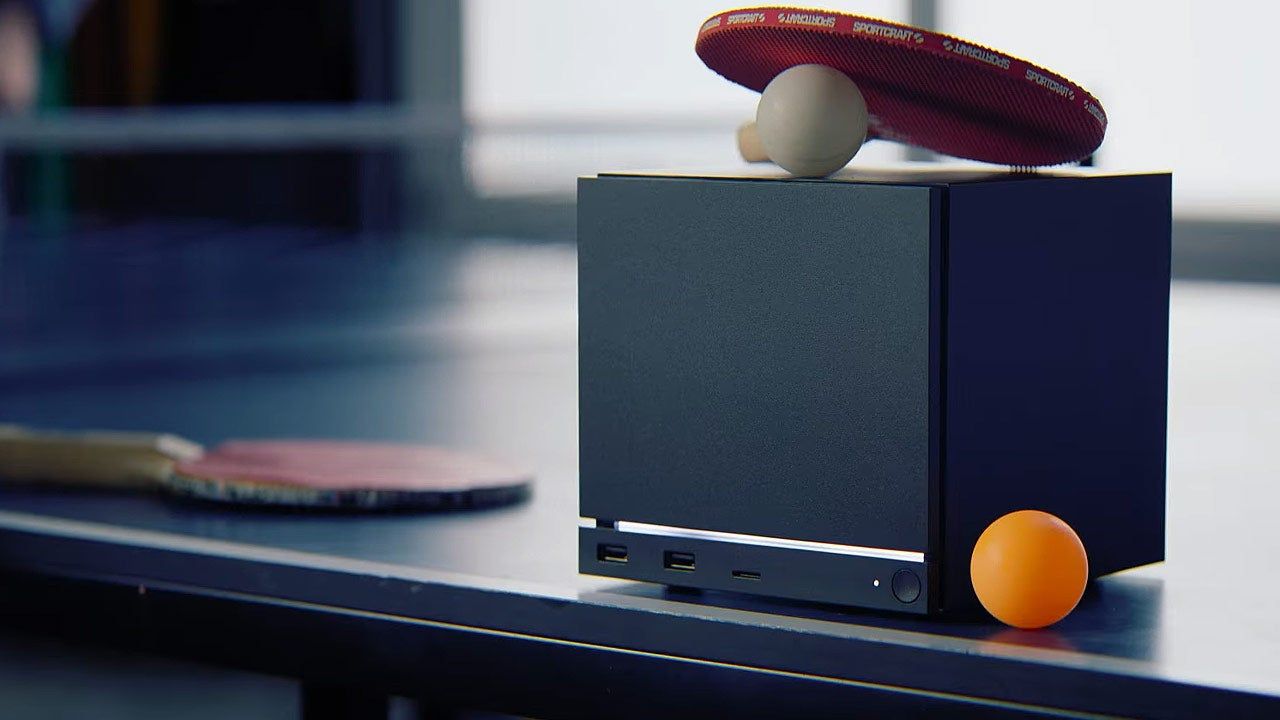
The High Cost of Play: How Valve is Fighting the Hardware Inflation Battle
The latest wave of gaming hardware from Valve, including the Steam Controller and Steam Frame, has arrived, but for many, it brings more frustration than excitement. While these new gadgets promise a streamlined gaming experience, they are shadowed by a stark reality: the entire industry is facing a pricing crisis. Getting functional gaming hardware is significantly more expensive now than it was just a year ago, often spoiling the joy of discovering awesome new technology.
Despite these prohibitive prices, the underlying mission of Valve remains hopeful. Their goal to expand support for SteamOS and provide a baseline configuration for developers suggests a vision for a future where PC gaming is more accessible and open. This focus on building an ecosystem free from intrusive subscriptions and data harvesting is a powerful reason to continue investing in the Steam Machine, even if the initial sticker price feels astronomical.
When Hardware Costs Skyrocket
The pain of high prices isn’t exclusive to Valve. Across the entire technology landscape, the cost of accessing the tools necessary to run modern games has soared. Consider the recent surge in high-end graphics cards, like the Nvidia GeForce RTX 5090, which have seen prices multiply, and even the RTX 5070 jumping from a modest $549 to $850. This inflation makes it harder than ever for consumers to enter the high-end market.
Meanwhile, competitors are also stirring the pot. Intel has launched powerful new handheld chips, spearheaded by the Arc G3 Extreme. When put to the test, these chips easily outperform other handheld contenders like the Xbox Ally X and the Lenovo Legion Go 2. Yet, this powerful technology still comes with a hefty price tag, hitting around $1,899—a price that could buy a decent gaming laptop for a while.
The Hope in Open Source
If prices were as reasonable as they were a year ago, Valve’s hardware and Intel’s innovation would have had a much bigger impact. The core philosophy of SteamOS and the Steam Frame was designed to simplify the process for game developers, providing a stable, optimized platform. This foundational approach is why the Steam Machine, despite its cost, still offers a useful baseline configuration that aligns with what most Steam users already have.
The vision for SteamOS is also expanding beyond Valve’s ecosystem. The Steam Frame pushes the boundaries of SteamOS support to ARM hardware, and as Valve works toward better Nvidia driver support, the future of SteamOS running on diverse hardware becomes increasingly realistic. The dream of a unified, open gaming operating system is steadily moving closer to reality.
Ultimately, the biggest takeaway from this hardware whirlwind is a shift in focus. There is a growing realization among developers that chasing maximum graphical settings is often a pursuit of justifying expensive hardware rather than enhancing the game experience. For most players, tweaking settings is enough to ensure smooth performance on even older systems.
The future of PC gaming, at least in the short term, may reside in optimization and accessibility, not just raw power. Even if buying a new Steam Machine is off the table for many, the work being done on SteamOS and similar open-source projects is spreading. People can still build excellent alternatives to the Steam Machine and install the operating system themselves on existing, used hardware. Ironically, that older, used hardware may just be the most accessible future for PC gaming.
Buy on Amazon
Credit