
CEO defends Stellar Blade’s Blood Rain AI music video against backlash
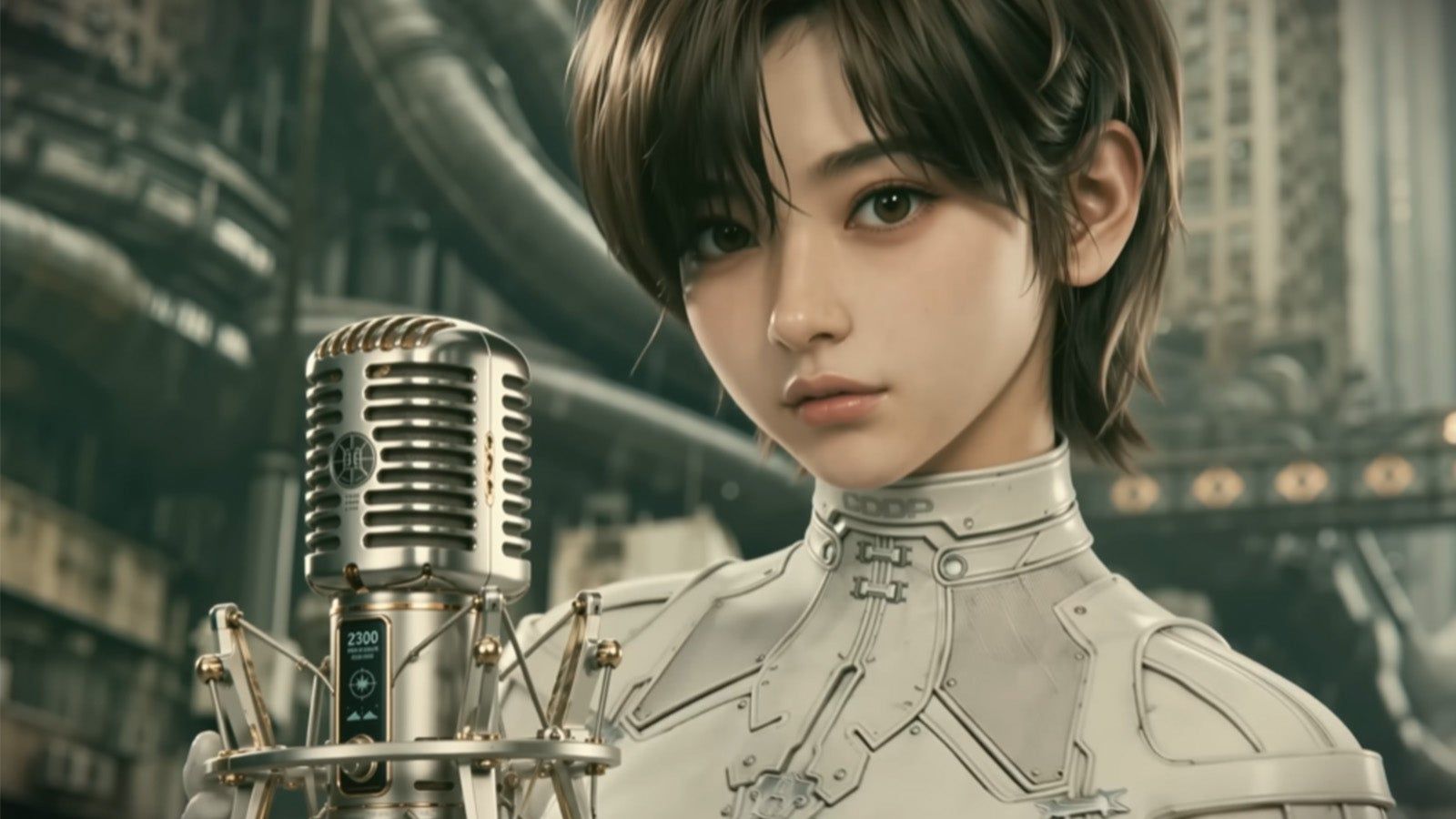
The world of gaming is buzzing with debates, and lately, the controversy has centered around the rapid rise of artificial intelligence. Specifically, the release of a music video for Stellar Blade’s sequel, Blood Rain, quickly became a lightning rod for criticism, sparking a heated discussion about the line between artistic creation and algorithmic generation.
The trouble started when Shift Up released the video, which featured the game’s main character, Evie, singing and dancing to the pop track “Wanna be in Love.” While visually appealing on the surface, many players quickly recognized the unmistakable signs of AI generation: nonsensical text, inconsistencies in the character models, and an overly blurred, airbrushed filter that felt synthetic.
This immediate reaction from the player base turned into a harsh wave of criticism, fueling frustration over what many perceived as a cheapening of the artistic vision behind the game. The response came swiftly from Shift Up’s CEO, Kim Hyung Tae, who addressed the backlash directly.
Kim defended the use of AI by arguing that it was not creating anything from scratch. He explained that the AI merely rendered and presented the character based on the extensive data, designs, and craftsmanship provided by their talented artists and modelers over a year-long development period.
“EVIE, the character at the heart of this video, was created from head to toe by our talented artists and modelers through more than a year of dedicated work,” Kim stated. “The AI is not creating her from scratch. It is rendering and presenting the character based on the data, designs, and…”
Despite this explanation, the sentiment among some players remained unconvinced. Many argued that training an AI model on professional designers’ works was a disservice to the artistry involved, effectively bastardizing the hard work of the creative team.
The concern extended beyond aesthetics; many worried about the potential for brands and characters to be associated with “AI slop.” If developers rely too heavily on automated generation, there is a risk that genuine, handcrafted quality could be dismissed as mere algorithmic output.
This philosophical debate links directly to the wider industry landscape. Kim also touched upon the immense competitive pressures facing Western studios, noting the difficulty of competing with massive investments from Chinese gaming entities. He pointed out that while teams pour resources into content, they often lack the sheer manpower necessary to compete against rivals who can deploy vast numbers of workers proficient in new tools.
Looking forward, Kim believes that AI is not just a fleeting trend but the inevitable future of the creative industry. He highlighted how quickly young people are embracing these technologies, pointing out that tools like ChatGPT are already central to modern life and will undoubtedly shape the next vision for gaming.
Whether it’s utilizing AI for asset rendering or engaging in the broader industry competition, the core tension remains: balancing technological innovation with the preservation of human artistry. The shift is clear—the future of gaming will involve a complex negotiation between code and creativity.
Buy on Amazon
Credit