
Steam Frame costs more than the Steam Machine
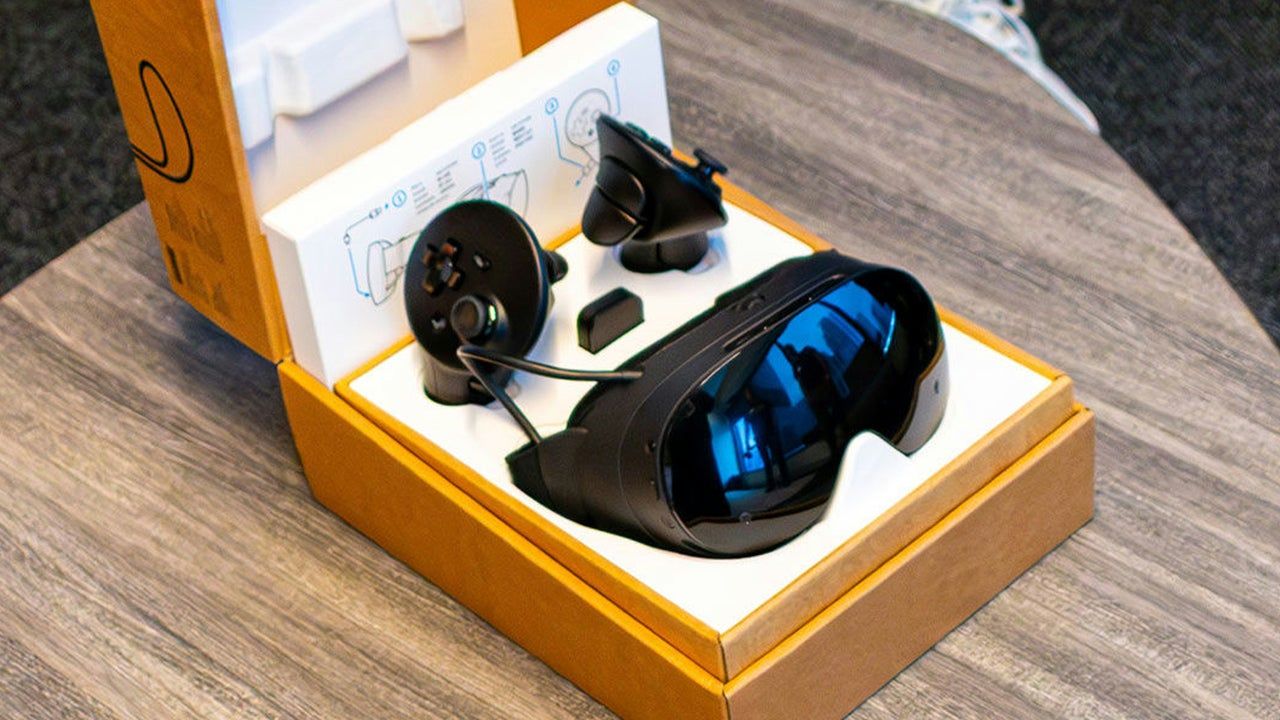
The promise of virtual reality has long existed in the shadow of high-end PC gaming, but bringing that dream into a consumer headset is an ambitious leap—and often, ambition comes with a hefty price tag. The anticipation surrounding the Steam Frame VR headset suggests that this next evolution may prove even more costly than its predecessor.
The recent launch of the Steam Machine already sparked controversy over its pricing. Now, as attention shifts to the Steam Frame, whispers suggest an even steeper financial climb is ahead. Leaks and industry speculation point toward a potential retail price for the Steam Frame that could land at or above $1,100.
This price volatility isn’t just theoretical; it stems from the complex hardware required to make VR immersive. To manage the demanding performance of a standalone system while integrating cutting-edge visual fidelity, engineers are facing significant technical hurdles. One major factor contributing to potential cost increases is the ongoing RAM crisis affecting the broader PC components market.
Beneath the surface of high expectations lies a powerful internal specification. The Steam Frame is slated to feature a powerful Snapdragon 8 Gen 3 System on a Chip, paired with ample memory—specifically 16GB of memory and either 256GB or 1TB of UFS storage. This setup is further bolstered by 16GB of DDR5 memory, a crucial upgrade that mirrors the performance demands of high-end gaming.
Visually, the experience promises to be breathtaking. Each eye will be treated to a 2160×2160 LCD display running at a snappy 144Hz refresh rate. To ensure complete immersion, the design incorporates six external cameras dedicated to tracking head and eye movements, managed by Valve’s innovative wireless transmission method that intelligently renders the game based on the user’s perspective.
While these specifications paint a picture of technological sophistication, the cost context is vital. Previous VR hardware, such as the original Valve Index, commanded a significant price—nearly $999 when it was released in 2019. This historical precedent suggests that layering these advanced features onto a mobile platform will inevitably push the final cost of the Steam Frame higher.
Ultimately, while the exact retail price remains an open secret until Valve makes the official announcement, the trajectory suggests that bringing high-fidelity VR into the mainstream gaming environment is going to be an expensive, but ultimately captivating, journey.
Buy on Amazon
Credit