
CoD World at War MP: Vehicles Get a Major Focus
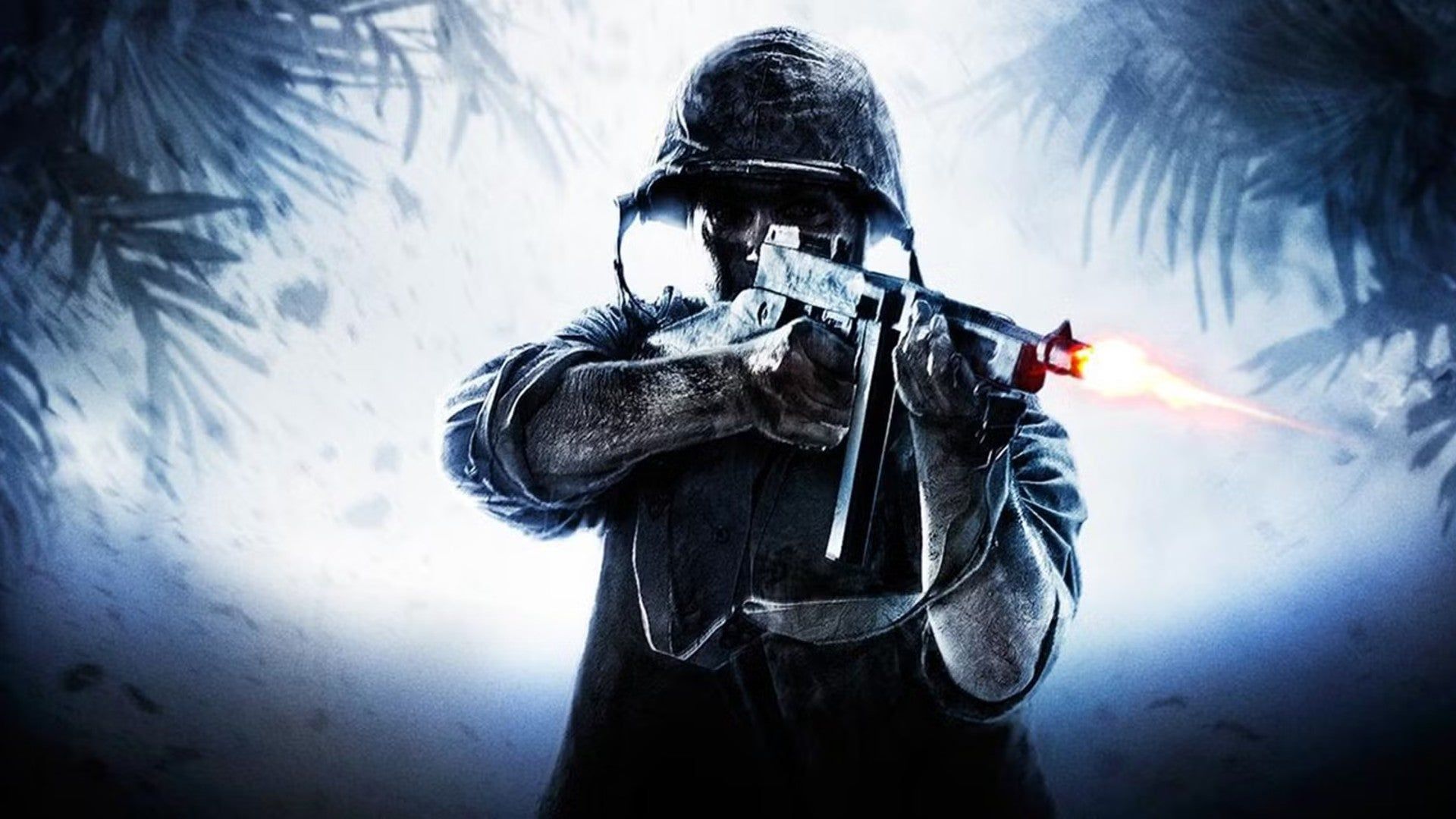
The Lost Tanks: Unearthing Vehicle Combat Secrets from Call of Duty‘s Past
When we look back at the golden age of Call of Duty, it’s easy to marvel at the formula that defined the genre—annual releases, alternating studios, and blockbuster campaigns. Yet, even within that seemingly perfect structure, there are always hidden details waiting to be uncovered. Recently, deep dives into old game data have revealed fascinating evidence suggesting that the early multiplayer experiences, specifically Call of Duty: World at War, were poised for a much more dynamic and vehicular-heavy combat experience.
While the game certainly featured vehicles, the focus on actual vehicle combat in its multiplayer modes was noticeably subdued. It turns out that developers had far grander plans for how players could interact with machinery, suggesting that the potential for large-scale vehicle warfare was certainly on the table.
The juicy details emerged from data analysis pointing to a feature that was ultimately scrapped before launch. In the original vision for World at War, players could summon tanks simply by achieving seven kills. These weren’t just passive vehicles; they were fully customizable assets that offered deep tactical gameplay.
Imagine the possibilities: these summoned tanks would have been incredibly versatile, allowing players to equip flamethrowers, control their speed, and gain access to unique perks, transforming simple combat into a strategic movement puzzle. To support this ambitious concept, developers planned for numerous maps specifically designed to accommodate this vehicle combat, creating an environment where ground vehicles were central to the action.
Unfortunately, these elaborate plans—the personalized tanks and their specialized environments—were ultimately cut from development before the game was released. While the exact reasons remain unclear, it’s likely that rushed timelines and massive revisions led the team to scale back features that they perhaps felt were too ambitious or didn’t deliver the intended experience.
This quest for lost content reminds us how much can be missed when development pressures intervene. It highlights a fascinating dichotomy in gaming history: while some ambitious features are dropped, other areas of the franchise continue to thrive. For instance, fans have recently discovered that even core elements, such as a full Zombies tower defense mode, were cut from recent ports of Black Ops. Despite these omissions, the legacy remains strong, as those older games and their ports continue to draw massive audiences.
Ultimately, the story of what could have been in these classic titles is a reminder that sometimes the most exciting gameplay lies just beneath the surface of what we see. It leaves us wondering what other incredible mechanics were shelved, waiting for a future where development can prioritize player-driven ambition over hurried deadlines.
Buy on Amazon
Credit