
Control Resonant Rewrites the Action RPG Rule Book
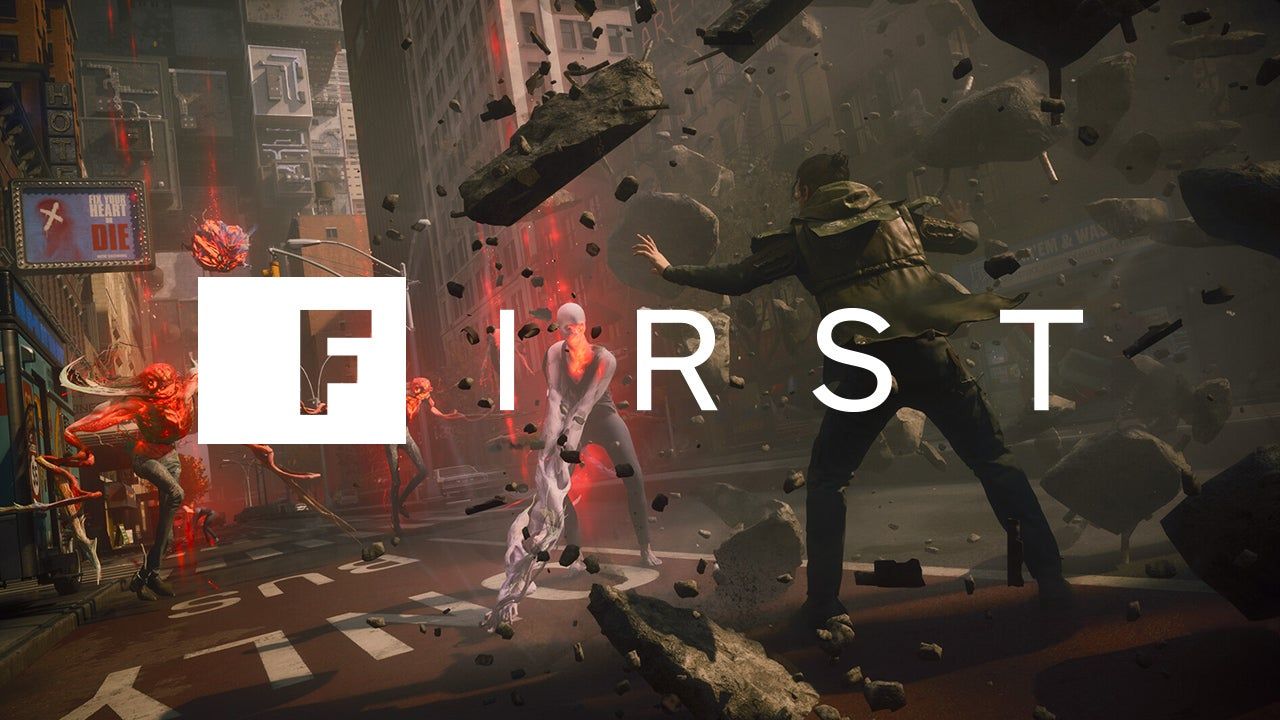
Control Resonant: Where the World Itself Fights Back
When developer Remedy Entertainment launched Control, they set a high bar for atmospheric, psychological horror. But with Control Resonant, the studio didn’t just follow the rules—they threw the rulebook out the window. This sequel completely redefines the action RPG formula by shifting focus away from traditional experience points and rewards, opting instead for a deeply immersive system where the environment itself is the primary antagonist.
Instead of accumulating XP for completing missions, players in Control Resonant earn upgrades for the world around them. The corrupted zones of Manhattan react dynamically to the player’s actions, growing significantly more dangerous with every new territory conquered. This transforms the game from a linear journey into a living, evolving ecosystem where defeating threats fundamentally changes the landscape.
The otherworldly entities that once haunted the boundaries of The Oldest House have spilled out into the wider world. Each zone of Manhattan is now swarmed by familiar, yet radically evolved, forces. The most notorious of these are the Hiss, the supernatural parasite that first corrupted the protagonist, Dylan, and the Mold, the sprawling fungal infection that blankets the city.
The Hiss has clearly been cooking up a storm. Director Mikael Kasurinen notes that as the parasite ventures into the outside world, its turbulence and corruption intensify, becoming more violent and less complicated. It no longer just infects beings; it actively corrupts the environment itself, transforming the very physical space around the player.
Art director Elmeri Raitanen details how the enemy design evolved. The Hiss has grown more formidable, spawning monstrous entities, such as upturned buses exuding haunting groans, that serve as new threats in the cityscape. This evolution allowed the team to introduce new, truly bizarre threats, like the ‘Hissified’ bus, making the enemies feel uniquely tailored to the world of Control.
The Mold has also undergone a profound transformation. While it remains a significant threat, it functions as a distinct faction, carving out its own territory across the city. These fuzzy fungal fiends are soft and resistant to blunt damage, forcing players to rethink their combat strategies. The material itself can be hardened by calcification, meaning players must strategically target weak points, using blunt force to shatter the armor before striking the core.
Fighting the Mold introduces a unique layer of tactical engagement. These encounters are less about direct confrontation and more about carefully navigating the environment. Mold threats create spore clouds and traps, forcing players to consider stealth, timing, and utilizing environmental elements, such as exploiting the fact that the mold fears fire, allowing players to unleash flames on the fungal masses.
Progression in Control Resonant operates on a different principle. While the protagonist Dylan does not gain traditional XP, the zones themselves do. Activities within a zone yield XP, which unlocks zone improvements—such as reduced health while exploring or the revelation of hidden loot chests and arcade cabinets. Furthermore, leveling up a zone grants the player a talent point, blending the environmental rewards with classic RPG progression.
The pinnacle of the challenge lies in confronting the Resonants, former persons of power who have amalgamated themselves into the fabric of Manhattan. These boss fights are designed as true skill checks, demanding players consider diverse approaches based on their chosen build and the changing reality of the environment. Defeating a Resonant doesn’t just end a fight; it triggers a cascade effect, causing combat encounters throughout the world to respond, spawning new enemies and escalating challenges. This system ensures that the world truly feels like it is reacting to the player’s power.
Ultimately, Control Resonant offers players a space to truly exercise choice. Whether players choose to pursue the rewards of angering the supernatural New York, mastering complex combat dances, or deciding which Resonants to face next, the game ensures that every decision shapes not only the narrative but the physical reality of the corrupted city.
Buy on Amazon
Credit