
CXMT revives mass-market DRAM production gaming brands are eyeing it
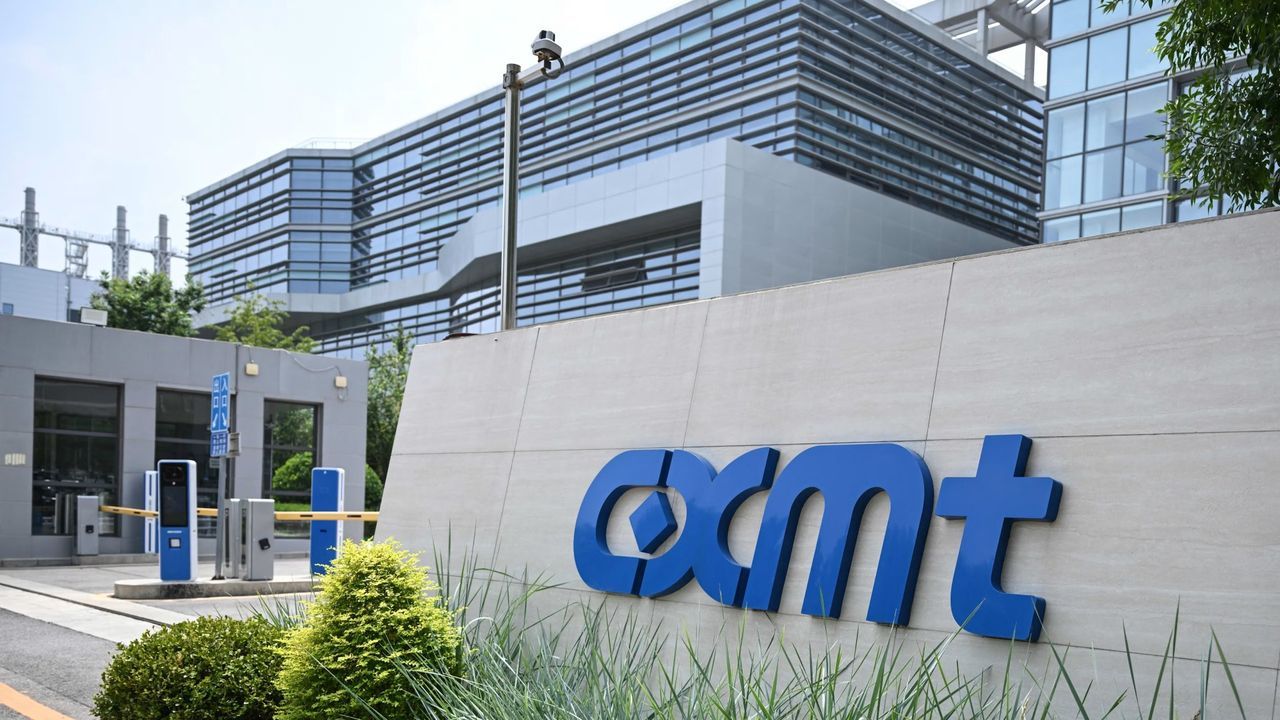
The Memory Underdog: How One Startup is Disrupting the Global Chip Giants
The current era of technology is defined by scarcity. As global markets grapple with persistent memory shortages, every emerging player is finding an unexpected opportunity to carve out a significant niche. In this highly competitive landscape, ChangXin Memory Technologies (CXMT) is quietly positioning itself not just as a supplier, but as a genuine force ready to challenge the established titans of the semiconductor industry.
CXMT has rapidly ascended the global DRAM market. By 2026, it is projected to be “China’s only mass-market DRAM manufacturer at scale.” This growth trajectory is impressive: CXMT’s revenue share in the global DRAM market jumped from 1% to 8% in Q2 of 2026, cementing its status as the fastest-growing DRAM manufacturer worldwide.
This rise is happening while the industry giants—SK Hynix, Samsung, and Micron—have largely focused their intense R&D efforts on High Bandwidth Memory (HBM). While these leaders are setting the pace in high-end applications like AI accelerators, their specialized focus has inadvertently created a critical gap: a need for robust, scalable traditional DRAM manufacturing.
Now, this market dynamic is spilling over into consumer technology. Laptop manufacturers are reportedly turning to memory alternatives to navigate supply chain bottlenecks. A recent report highlighted that companies like HP, Asus, and Acer are integrating CXMT chips into laptops sold within the Chinese market. This strategic move demonstrates a growing trust in CXMT’s capacity to deliver reliable components.
The potential impact of this shift is vast. While these initial applications are focused on standard laptops, the implications extend far beyond portable computing. The question remains whether this usage will expand to high-performance gaming rigs or other demanding systems. Regardless of immediate scope, the trend signals a willingness among manufacturers to explore new suppliers to alleviate pressure and secure their supply chains.
For CXMT, this emerging demand offers a significant growth window. The Big Three chip companies have spent over a decade writing the rulebook for memory technology, primarily through their focus on specialized manufacturing. This specialization has left room for a truly diversified player like CXMT to capitalize on the demand for high-volume, mass-market production.
With continued progress in its LPDDR6 research and concrete plans for a second manufacturing facility in Beijing, the underdog is well-positioned. CXMT is not just reacting to shortages; it is actively building the infrastructure required to become a formidable competitor capable of making a meaningful dent in pricing and market share against the established memory behemoths. The future of memory manufacturing may just be looking a little bit different.
Credit