
Digital Foundry breaks down Oblivion’s Switch 2 performance
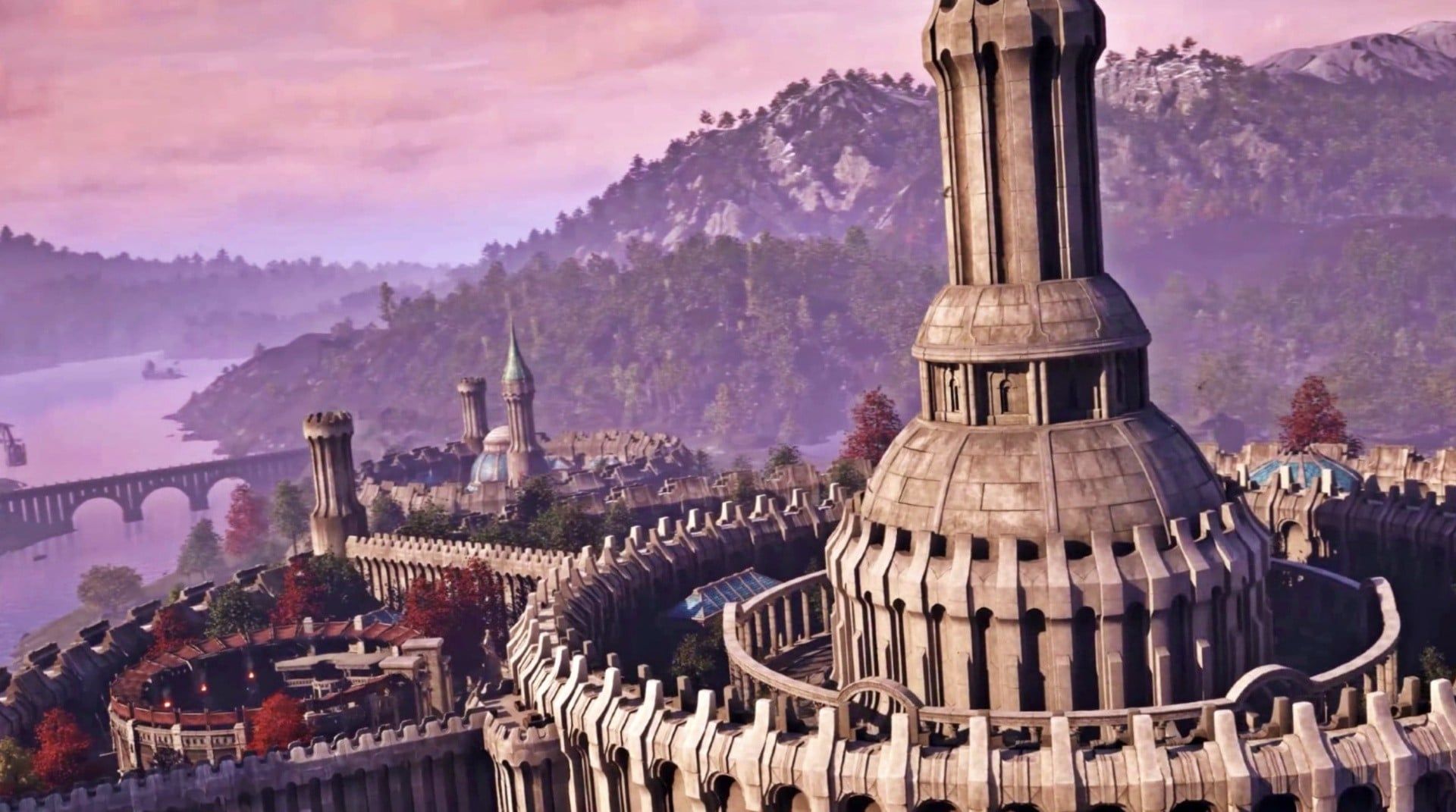
When you take a legendary classic and give it a modern polish, you expect a seamless journey. That is the promise of a remaster, and for many, it is the reason they jump onto the newest console. But when we look at how The Elder Scrolls IV: Oblivion Remastered handles the Nintendo Switch 2, the picture is less than perfect, introducing a delightful dose of performance frustration.
Digital Foundry recently took a deep dive into the experience, examining how Bethesda and Virtuos managed to port this beloved title to the next generation of hardware. On the bright side, the remaster does a commendable job of bringing the visuals up to date. The remaster successfully delivers most of the graphical upgrades that players expect from modern titles, making the world of Oblivion look sharp and polished on the new platform.
However, as the technical experts pointed out, polished graphics don’t always mean flawless performance. The real friction point emerges when we analyze the frame rates and stability. Despite the visual improvements, the game still contends with the familiar issues of performance hitches and occasional crashes.
The core problem, according to the review, is not the remaster itself, but the hardware it is running on. While other high-end consoles like the PlayStation 5 and Xbox Series X|S can handle these demanding environments with relative ease, the Switch 2, with its reduced horsepower, simply cannot absorb the load without noticeable stuttering.
This limitation is painfully evident in Oblivion’s performance. The frame rate struggles to remain smooth, and the experience is particularly bumpy on the Switch 2. The console’s limited processing power exacerbates these issues, turning what should be a smooth journey into an occasional rollercoaster ride.
It’s a classic example of how graphical ambition and hardware capability often fall out of sync. Even with a technically improved remaster, the underlying struggle to maintain stability and fluidity highlights the ongoing challenge of optimizing classic titles for next-gen systems that haven’t quite reached the same power level as their high-end counterparts.
Buy on Amazon
Credit