
Dual Override: The Perfect Entry Point into the Mega Man Series
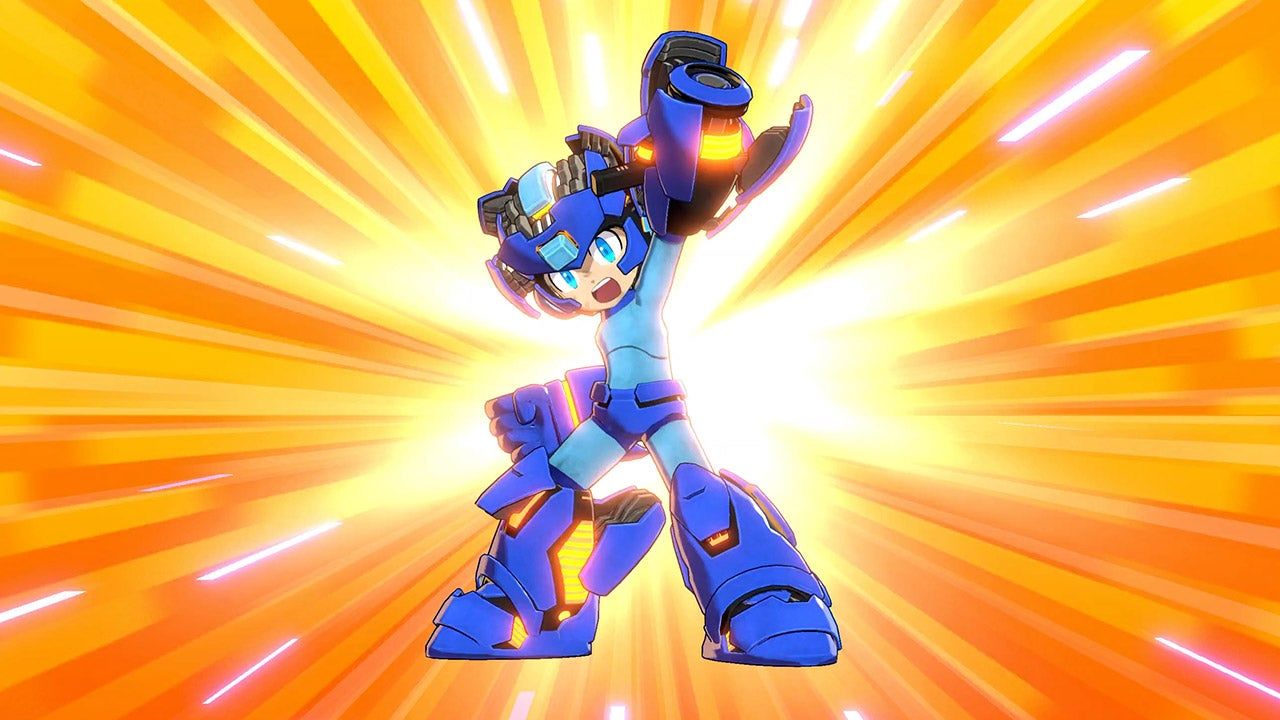
For many gamers, the journey into the world of Mega Man begins with the simple magic of the NES. That early exposure to games like Mega Man 2 and 3 established a foundation of precision platforming and challenging action that remains timeless. Thirty years later, seeing that classic formula evolve into something new is a genuinely exciting prospect for any fan.
Recent developments in the franchise, exemplified by titles like Mega Man: Dual Override, aren’t just simple updates; they are thoughtful attempts to honor the legacy while injecting fresh mechanics. The goal is to keep the core joy of the series—the tight gameplay and vibrant stages—intact, while ensuring the experience feels relevant for the 2020s.
The demonstration of this direction immediately puts players into strategic territory. Before diving into the action, the game offers choices that directly influence gameplay. Players decide on custom Chip Sets, each offering a distinct tactical advantage: options focused on survival, pure firepower, or the traditional, unadorned experience. This decision-making adds a layer of depth that rewards careful planning.
The challenge then shifts to execution. Navigating the stages requires classic precision platforming and skillful dodging, but the introduction of new elements demands adaptation. Stages are packed with industrial-looking environments, demanding players to react quickly to enemy projectiles and skillfully manage their movement. It’s a welcome feeling to revisit those core mechanics—the satisfaction of the Mega Buster cannon arm still feels as good as ever.
The boss encounters introduce dynamic complexity. Battles are not just about timing; they are about optimizing strategy. Taking on individual Robot Masters demands a calculated approach, weighing the benefits of specialized weaponry against overall stage objectives. This complexity elevates the action from simple reaction to genuine problem-solving.
Further evolution is seen in the introduction of multi-stage encounters, where a single Robot Master is broken down into a sequence of challenges. This structure, coupled with modern concessions like increased checkpointing, makes the journey through the levels feel more accessible and rewarding, even when the difficulty ramps up.
The visual and auditory experience remains a cornerstone of the franchise. The vibrant animated stages, complemented by toe-tapping electronic soundtracks, create an atmosphere that is instantly recognizable and deeply engaging. This commitment to strong aesthetics ensures that no matter how many updates are introduced, the overall presentation remains top-tier.
While some moments in the evolution might feel like a mere recreation of past memories, the overall impact is clear: Capcom is successfully blending nostalgia with innovation. The ongoing development signals a clear ambition to ensure that the Mega Man legacy not only honors its history but also remains an accessible and exciting gateway for new generations of players.
Buy on Amazon
Credit