
EA to cut $700M in costs amid mass layoffs
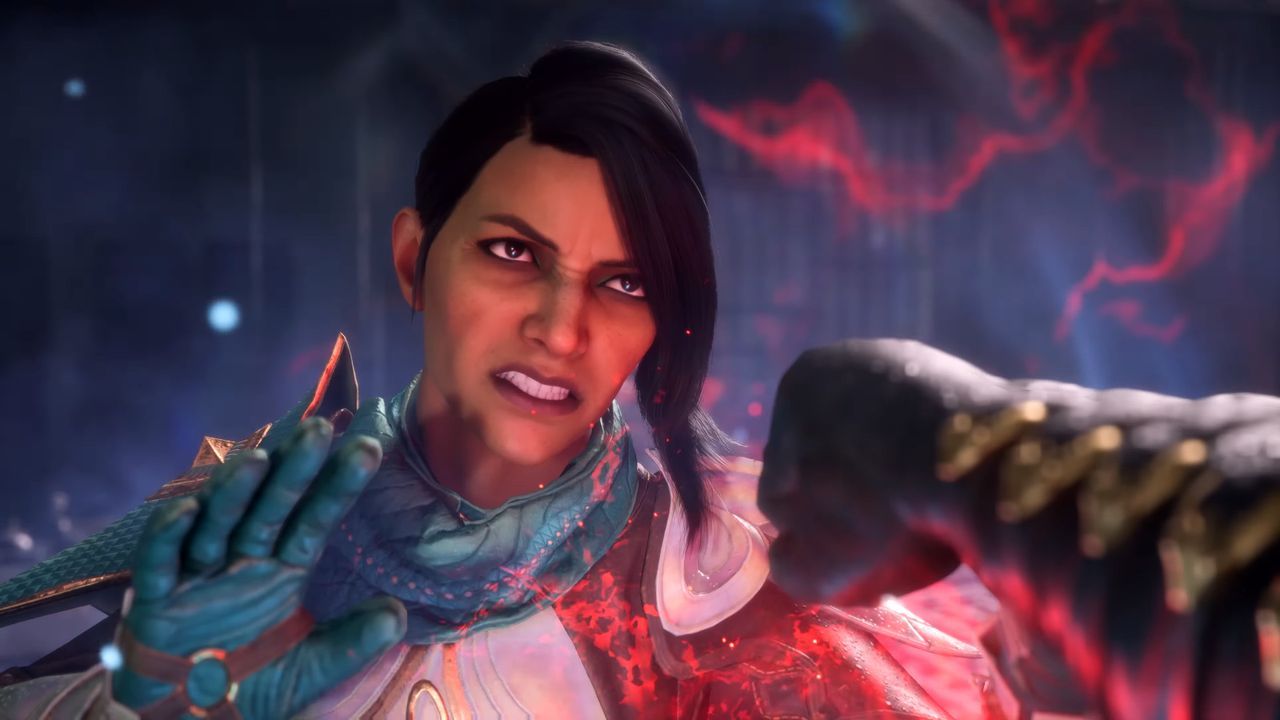
A seismic shift has rocked the gaming world, as Electronic Arts (EA) officially went private in a monumental $55 billion acquisition by Saudi Arabia’s Private Investment Fund, Jared Kushner’s Affinity Partners, and Silver Lake. This staggering deal brought major franchises like The Sims, Dragon Age, and Battlefield under new ownership, immediately triggering a flurry of speculation about the future of the gaming giant.
But beyond the headline-grabbing valuation lies a complex financial reality. To fund this epic buyout, EA took on an enormous $20 billion in debt. This heavy financial burden has quickly put pressure on the company’s bottom line, prompting sharp discussions about necessary cost-cutting measures. Reports indicate that EA is planning substantial reductions in its operating costs, with figures suggesting a $700 million annual cut, including $170 million earmarked for organizational efficiencies—a clear signal of looming layoffs.
For employees and long-time studio veterans, this financial maneuvering has fueled understandable anxiety. The fear that massive acquisitions inevitably lead to workforce reductions is palpable, echoing previous industry shakeups. While EA initially assured employees there would be no immediate changes to jobs following the transaction, the reality on the ground suggests a drastic reshaping of the company structure is underway.
The specter of layoffs is not a hypothetical worry; it is an active concern for many who watched the deal unfold. Financial analysts are looking closely at how EA manages its debt while attempting to innovate, especially given that new investors reportedly hoped to leverage artificial intelligence to streamline operations and boost profits. This focus on optimizing costs raises critical questions about balancing aggressive growth with internal stability.
Despite the turbulence, company leadership remains focused on the future. CEO Andrew Wilson has stated that the company is entering this next chapter from a position of strength, aiming to “invest boldly, accelerate innovation, and build the next generation of games and experiences.” The focus shifts toward utilizing technological advancements—like the heavy use of AI in quality assurance—not just to cut costs, but fundamentally redefine how games are developed.
Ultimately, whether this massive transaction results in a streamlined, innovative powerhouse or a mass exodus of talent remains to be seen. For now, the gaming world is watching to see if EA can successfully navigate the debt and restructuring while maintaining the creative spark that once defined its iconic catalog.
Buy on Amazon
Credit