
Ex-Naughty Dog designer on Uncharted’s hellish development
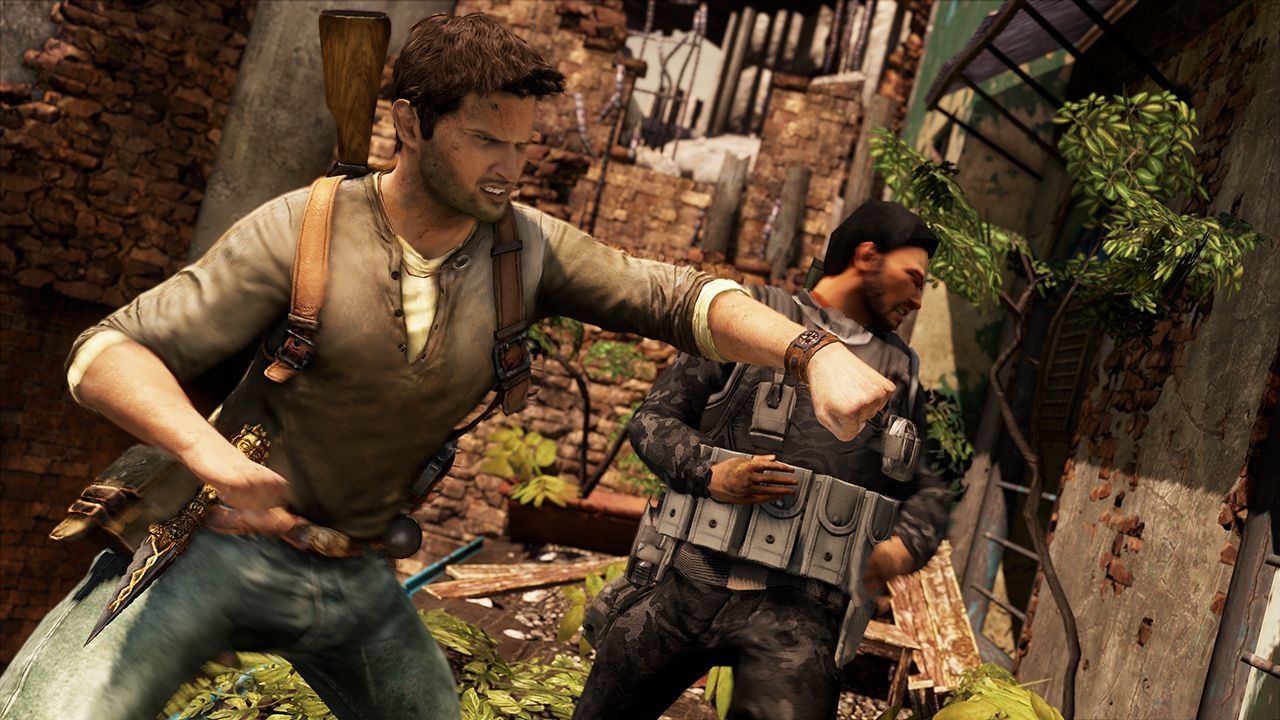
The legend of Nathan Drake and the adventures of Uncharted has cemented its place in gaming history, spawning a blockbuster franchise and a major Hollywood adaptation. But beneath the glossy veneer of cinematic action and treasure hunting lies a fascinating story of development struggles, artistic compromises, and the enduring power of a game that redefined an entire genre.
When looking back at the original 2007 title, Uncharted: Drake’s Fortune, we see a product born from intense creative pressure. As one of the original designers, Benson Russell, recounts, the game went through a period of significant turmoil during its development. The decision to overhaul the technology and rewrite much of the content from the ground up introduced complex technical hurdles, leading to systems that came online later than originally planned.
This foundational shift created a unique challenge for the team. While artists were still creating stunning visuals, they often worked without fully cohesive gameplay systems in place, which added layers of complexity to the creative process. It was a period where the vision was being shaped, often battling against the realities of technical implementation.
Adding another layer to this narrative is the powerful influence of other titles. Developers have frequently discussed how games like Gears of War played a pivotal role in shaping Uncharted‘s final gameplay. This influence, while driving innovation, also sparked a debate about the game’s identity.
Russell noted that this blend of influences—the adventure game aesthetic of Tomb Raider combined with the mechanics derived from Gears of War—resulted in a product that felt pulled in multiple directions. It was an attempt to merge two distinct styles, a feeling that the game was trying to be both a classic adventure and a modern action-adventure simultaneously.
Despite these developmental complexities, the legacy of Uncharted remains undeniable. It is a great achievement that redefined certain aspects of the adventure game landscape. It successfully launched one of the most beloved franchises in gaming, setting a standard that continues to inspire subsequent titles and adaptations.
The journey from those initial, challenging development stages to the globally recognized success of Uncharted is a testament not just to the talent involved, but to the resilience required to turn a complex, sometimes messy, vision into a celebrated piece of interactive history.
Buy on Amazon
Credit