
Fallout co-creator: Find game inspiration in ‘bad’ games
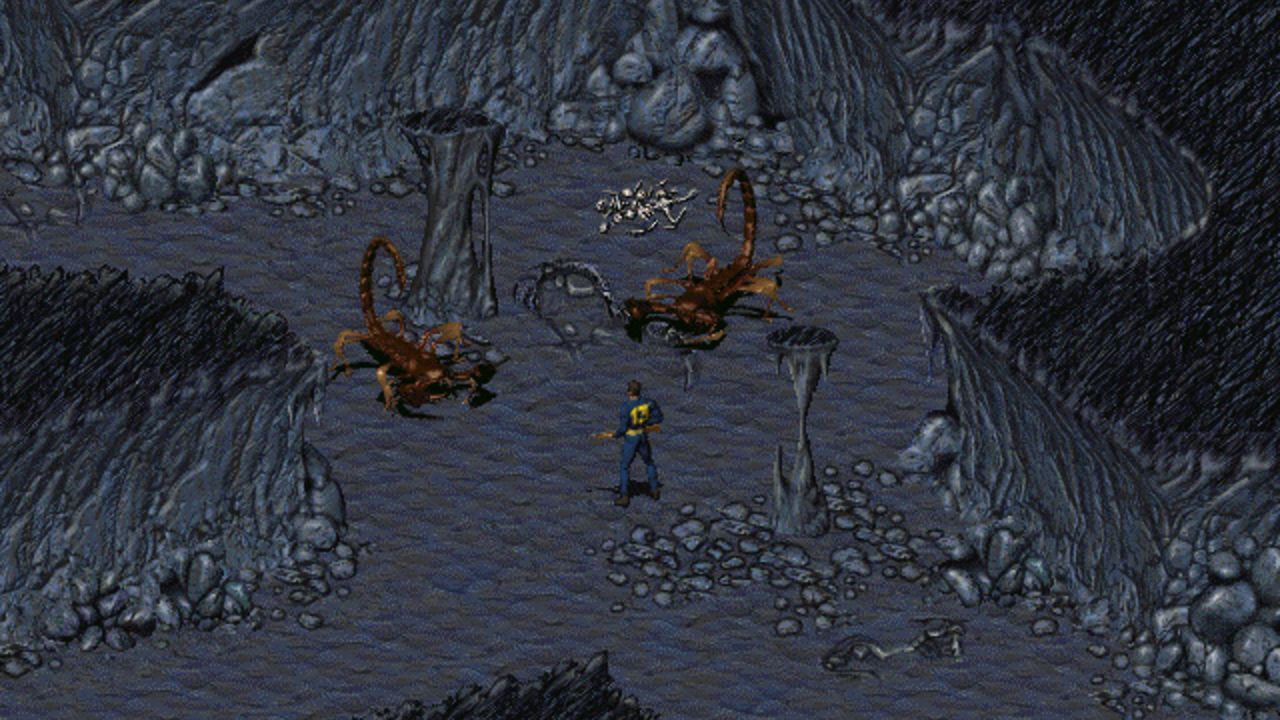
Timothy Cain, the co-creator of the acclaimed The Outer Worlds 2, believes that the gaming industry overlooks a critical source of learning: the realm of bad games. He argues that developers should look beyond the celebrated hits to understand the full spectrum of game design, suggesting that failure offers far more valuable lessons than sheer success.
This idea stems from an observation about the industry’s tendency to mimic success. Cain notes how quickly a game can become a smash hit—whether it’s a viral hide-and-seek title like Meccha Chameleon or a sprawling RPG like Clair Obscur: Expedition 33. Once these titles prove successful, the impulse to replicate that formula often leads creators to “blindly copy” the successful elements, inadvertently overlooking the flaws that haunt less popular ventures.
Cain contends that these overlooked failures hold crucial information. He points out that when a game fails or is forgotten, its shortcomings are rarely scrutinized, especially if it wasn’t part of a massive franchise. However, these less-remembered titles contain valuable insights into what goes wrong in game development.
“There are so many games out there that one game came out, it wasn’t very good, and it was forgotten,” he explains. “I’m saying you could learn a lot from games like that.”
This perspective aligns perfectly with the concept of survivorship bias, a psychological principle Cain frequently references. This bias causes us to focus on the successful outcomes, assuming the qualities that led to that success are universal truths. But as he suggests, the qualities that make a game successful may not be the sole ingredients for that triumph. Conversely, examining failed games reveals common threads—structural flaws, poor pacing, or frustrating mechanics—that explain why those titles faltered.
This realization is a powerful message for the entire development community. By studying the games that didn’t make it, developers can avoid common pitfalls and build more robust, genuinely engaging experiences. The takeaway is clear: to truly innovate, one must learn from the entire history of gaming, not just the trophy case of bestsellers.
Buy on Amazon
Credit