
Feral post-apocalypse grand strategy game
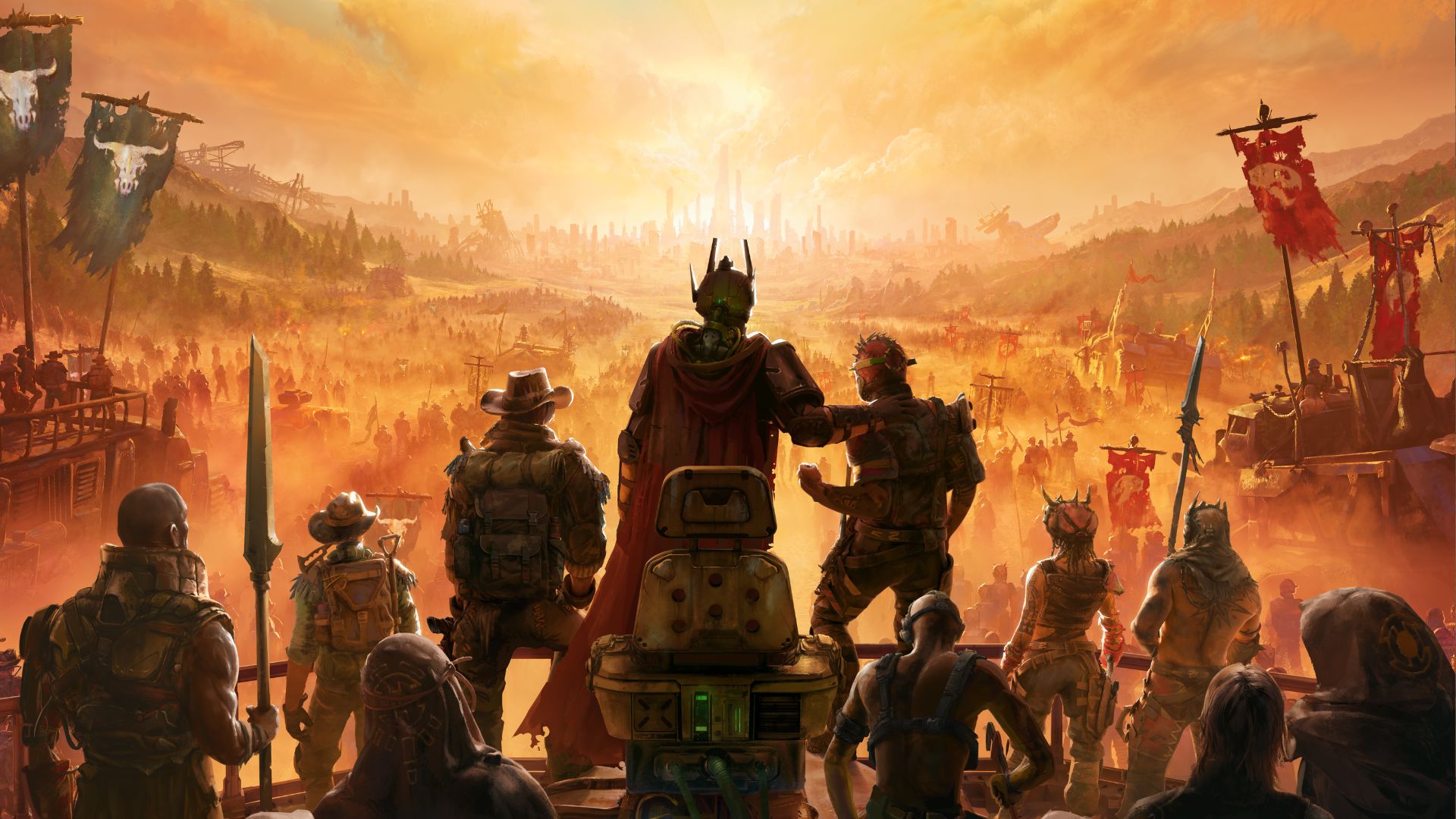
The world of grand strategy gaming has long been defined by a particular kind of intellectual challenge: the ability to manage vast empires, chart complex geopolitical conflicts, and dictate the fate of thousands of lives through strategic decisions. Games by Paradox Interactive have consistently stood as monuments to this tradition, offering players a deep, sweeping taste of history and classic civilization.
But the master strategists at Paradox are known for not simply repeating history, but for pushing the boundaries of what’s possible. Now, they are embarking on an ambitious new journey, pivoting their focus from the grandeur of ancient empires to the bleak, compelling landscape of the post-apocalypse.
This fresh direction culminates in the recently announced title, Afterworld, signaling a significant shift in the studio’s creative focus. Instead of dealing with the rise and fall of classical societies, Paradox is plunging players into a brutal, ruined future where the rules of existence have been violently rewritten.
The transition is more than just a change of scenery; it’s a thematic evolution. It takes the intricate systems and deep diplomatic complexity that Paradox is famous for, and applies them to a narrative framework steeped in survival, decay, and harsh struggle. Players will no longer be managing the fate of Roman legions or medieval kingdoms, but the desperate fight for dominance in a shattered, desolate world.
By blending the beloved mechanics of grand strategy with the visceral, grim atmosphere of the post-apocalypse, Paradox is promising a new kind of experience. It’s an invitation to test the limits of civilization itself, forcing players to grapple with moral choices and the sheer resilience required to survive when the world has ended.
For those who appreciate deep strategic planning and high-stakes decision-making, Afterworld offers a compelling opportunity to explore the ultimate implications of chaos. It’s a reminder that regardless of the setting, the core appeal of grand strategy remains: controlling destiny, even when the world itself is broken.
Buy on Amazon
Credit