G’AIM’E Lightguns ditch AI for PS2 feel
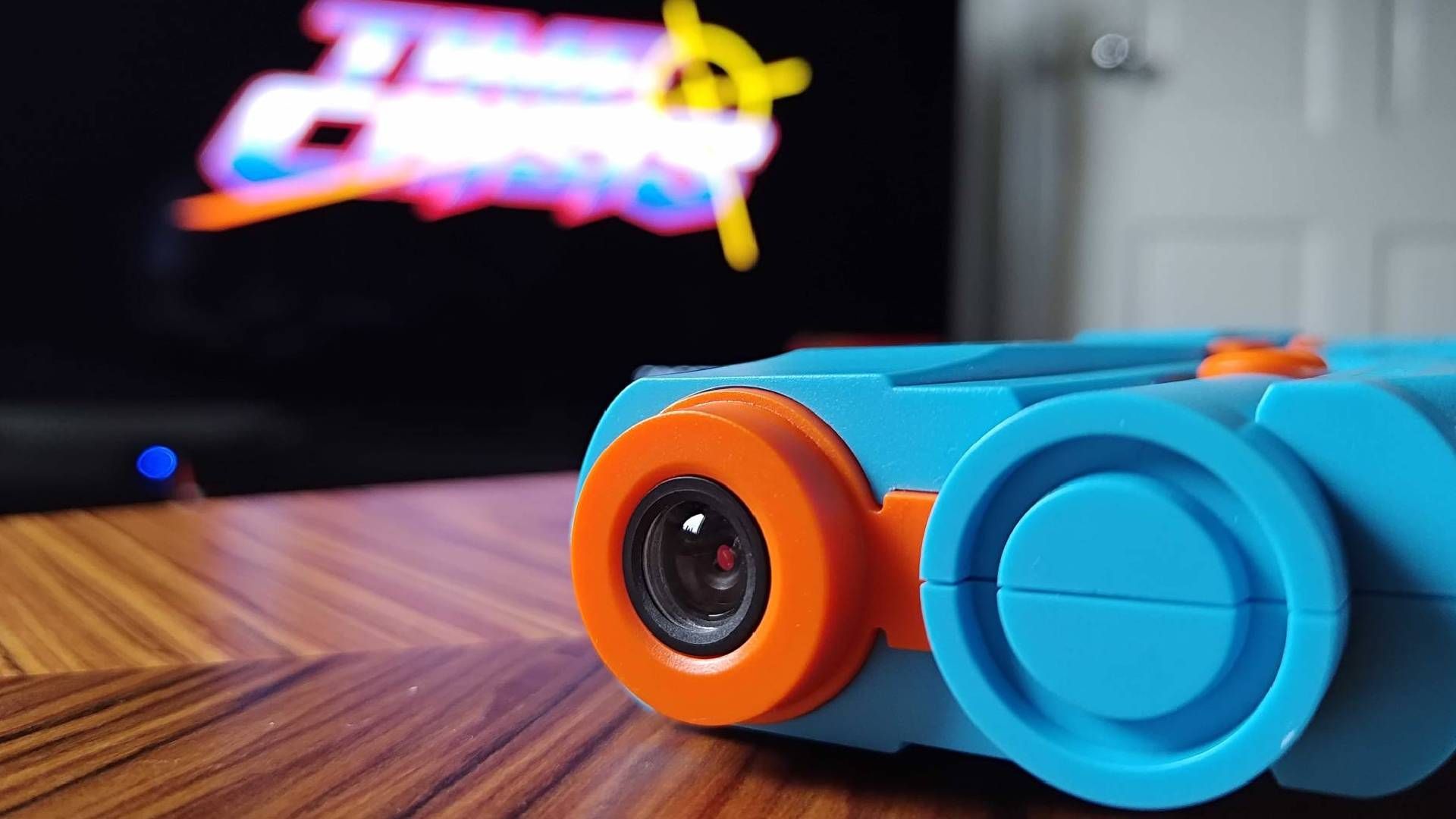
Nine months after the initial release, Tassei Denki is back with a thrilling update to the retro gaming world, showcasing new prototypes at the Tokyo Game Show. The focus has shifted dramatically: instead of relying on complex AI-assisted cameras, the new line of G’AIM’E Time Crisis Lightguns is embracing streamlined gyro controls and wireless connectivity, signaling a serious evolution for the at-home arcade scene.
This latest iteration introduces two distinct models, the Pro and Lite, each offering a unique approach to retro gameplay. While both maintain the core concept of using a lightgun to interact with classic titles, they are redefining the interaction experience. The Lite version, for example, ditches the AI-powered “eyeball” inside the barrel in favor of gyro functionality mimicking a standard PlayStation controller. This move eliminates the need for complicated workarounds, making the setup wonderfully plug-and-play.
For the Lite model, the streamlining is apparent: it cuts the cord entirely, swapping out the integrated orange USB-C cable for modern 2.4GHz connectivity. This focus on simplicity ensures that the core retro experience remains accessible, focusing on pure, responsive gameplay rather than complex calibration.
The Pro model, however, steps into a more ambitious territory. It maintains a connection to the familiar USB-C standard but targets a higher level of performance. Signage at the exhibition suggests this version is aimed squarely at high-score chasers, promising improved accuracy and low latency. Critically, the Pro setup appears to leverage open-source projects, such as the OpenFIRE Light Gun project, to achieve this competitive edge rather than relying solely on proprietary in-house technology.
The core innovation lies in Tassei Denki’s decision to rethink the technology itself. Moving away from the “AI-powered” moniker signals a desire to avoid getting caught up in a buzzword-driven trend. This pivot is a deliberate step to position the G’AIM’E line as a legitimate, standalone arcade alternative, rather than merely competing in the same DIY sphere as competitors like Sinden or Intec.
Beyond the camera system, the prototypes raise fascinating technical questions. While the new gyro controls are intuitive, managing aim requires a reset button if the position is misaligned, suggesting a reliance on pure gyroscopic positioning. This emphasis on physical control and direct feedback suggests that the company is aiming to make light gun gaming mainstream again on console and PC, proving that the thrill of the retro arcade can be modernized without sacrificing genuine gameplay.
Ultimately, the evolution of the G’AIM’E line is about balancing ambition with accessibility. Whether you opt for the straightforward, wireless Lite experience or the performance-focused Pro setup, Tassei Denki is pushing the boundaries, ensuring that the nostalgia of the 2000s can continue to deliver a high-energy, modern gaming experience.
Buy on Amazon
Credit