Hot Wheels Infinite Rush Action Review
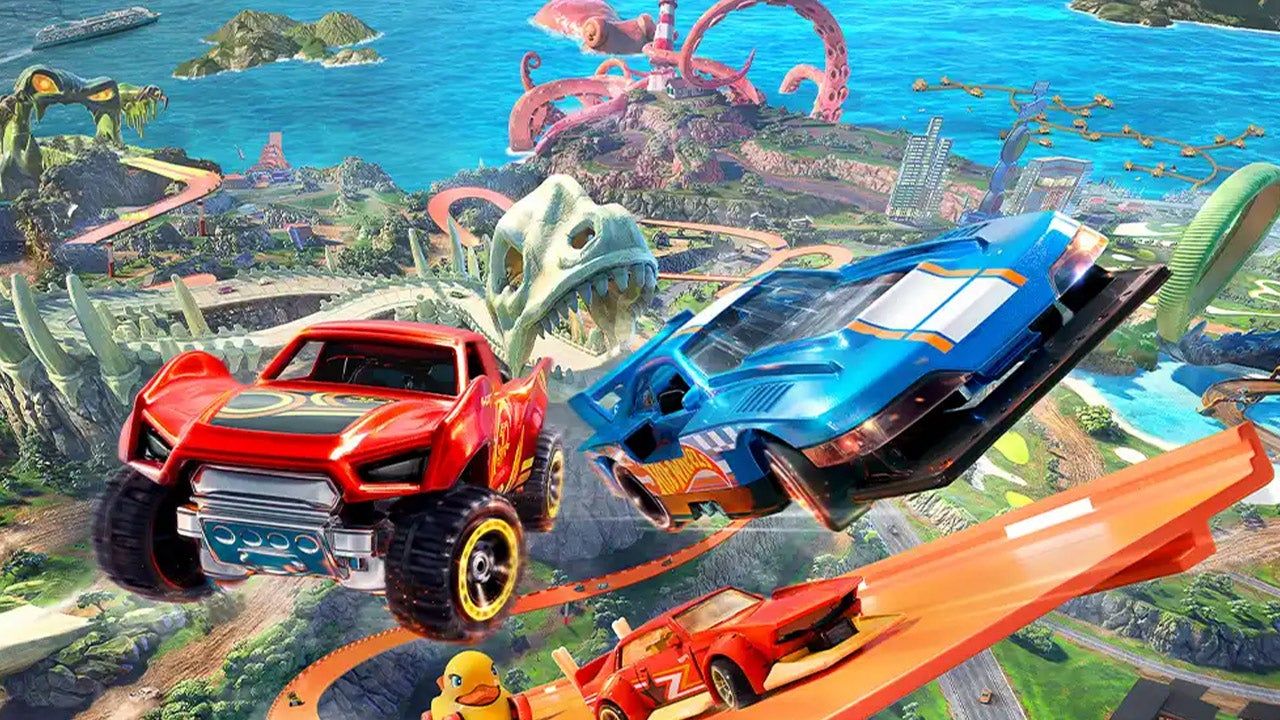
When a franchise beloved for its vibrant, imaginative world receives a major update, fans expect an evolution, not a subtraction. The transition from the sprawling, spectacular world of Hot Wheels Unleashed to the streamlined experience of Hot Wheels Infinite Rush raises some serious questions about the direction of arcade racing. While the gameplay remains functional, the shift feels like a significant compromise of the spectacle and soul that defined the original games.
Infinite Rush certainly nails one thing: the visual fidelity of the vehicles. The photorealistic rendering of the cars is genuinely impressive, making every die-cast model gleam with authenticity. However, this realism comes at a cost. In the earlier titles, there was a satisfying accumulation of detail—scratches, scuffs, and kerb rash that made each car feel like a genuine piece of play-worn history. In contrast, the cars in Infinite Rush appear perpetually factory-fresh, lacking that tangible history that once added immense credibility and depth to the racing experience.
This focus on the pristine condition of the vehicles leads to a broader disappointment in the overall presentation. Where Unleashed offered epic backdrops—half-built skyscrapers, towering neon arcades, and massive construction sites—Infinite Rush settles for modest, unmemorable landscape slabs. The scope simply doesn’t match the promise of a world built around iconic toy racing. It’s racing, certainly, but it lacks the cinematic scale and imaginative setting that made the previous installments so engaging.
The world design itself is another area where the shift is jarring. Instead of exploring massive, layered environments, players navigate four separate, modestly sized islands: Wheelswood, Tentacle Bay, Gearville, and Drifty Temples. While there is some charm in the themed environments, the open-world approach feels surprisingly generic. There is no sense of scale; cars, even tiny die-casts, navigate these worlds without the believable architecture or vertical dimension that made the former maps feel like truly immersive dioramas.
The mechanics, while streamlined, also felt less satisfying. The class system, limited to Versatile, Speeder, Drifter, and Titan, attempts to add nuance but sometimes introduces confusing restrictions. For instance, the drifting mechanics are less intuitive than before, and the physics sometimes penalize the player for engaging in the action, making the arcade feel less fun and more frustrating. True arcade racing thrives on joyful, physics-bending chaos, which the current setup seems to restrict.
Ultimately, Hot Wheels Infinite Rush manages to deliver a fast and functional racer, bolstered by excellent customization options and the addition of four-player split-screen. But for a franchise built on visual spectacle and boundless imagination, the focus on simplicity has resulted in a loss of depth. It’s a solid game, but it leaves fans wishing the developers had embraced the larger, more imaginative world that Hot Wheels Unleashed first and best defined.
Buy on Amazon
Credit