
HoMM3 download disaster after Ubisoft forgot the game
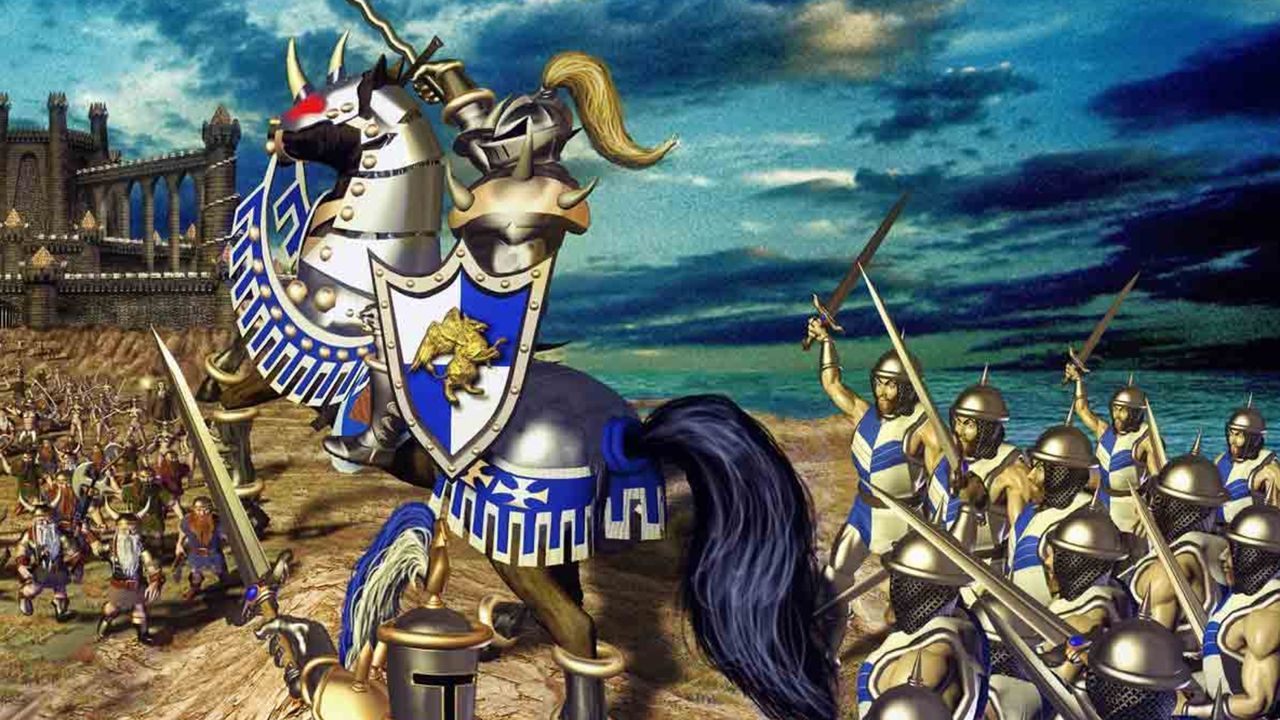
The anticipation surrounding the release of the Heroes of Might and Magic 3 remake had been palpable, especially following the buzz around major gaming events like Gamescom. Ubisoft was keen to shadowdrop the classic strategy game onto Steam, inviting players to step back into the world of medieval warfare. However, as the hype built, a rather significant technical hiccup emerged, proving that even the most anticipated game launches can stumble over a misplaced file.
For a long time, players seeking the complete experience had various options, including the 2015 HD Edition developed by Dotemu or the complete version available on GOG. But when Ubisoft decided to bring the title to Steam, the experience for some users turned into a digital scavenger hunt.
Upon downloading the classic strategy game on the Steam storefront, many users quickly discovered that the experience was far from complete. Instead of receiving the full game files, the download consisted of a mere 23.49 KB. It turned out that while the executable file was present, none of the actual game content had been included in the package—a truly baffling situation for a game of this magnitude.
This technical oversight quickly sparked community discussion. Players expected the full game experience, and receiving such a minimal file felt less like a launch and more like a puzzle. The situation was addressed swiftly, with the Might and Magic social media account stepping in to acknowledge the issue and apologize for the inconvenience caused by the error.
Thankfully, the community was not left waiting indefinitely. Within just eleven hours of the initial release, a substantial update was released, bringing the missing pieces into play. This fix delivered a much-needed 770 MB update, allowing players to finally purchase the game on Steam and access the actual content they were promised.
The saga of the missing files and the subsequent rapid resolution serves as a perfect reminder that even in the high-stakes world of game development, sometimes the most memorable moments are defined not by the initial launch, but by the swift and effective correction of a minor digital blunder.
Buy on Amazon
Credit