Japanese market eliminated if Switch fails
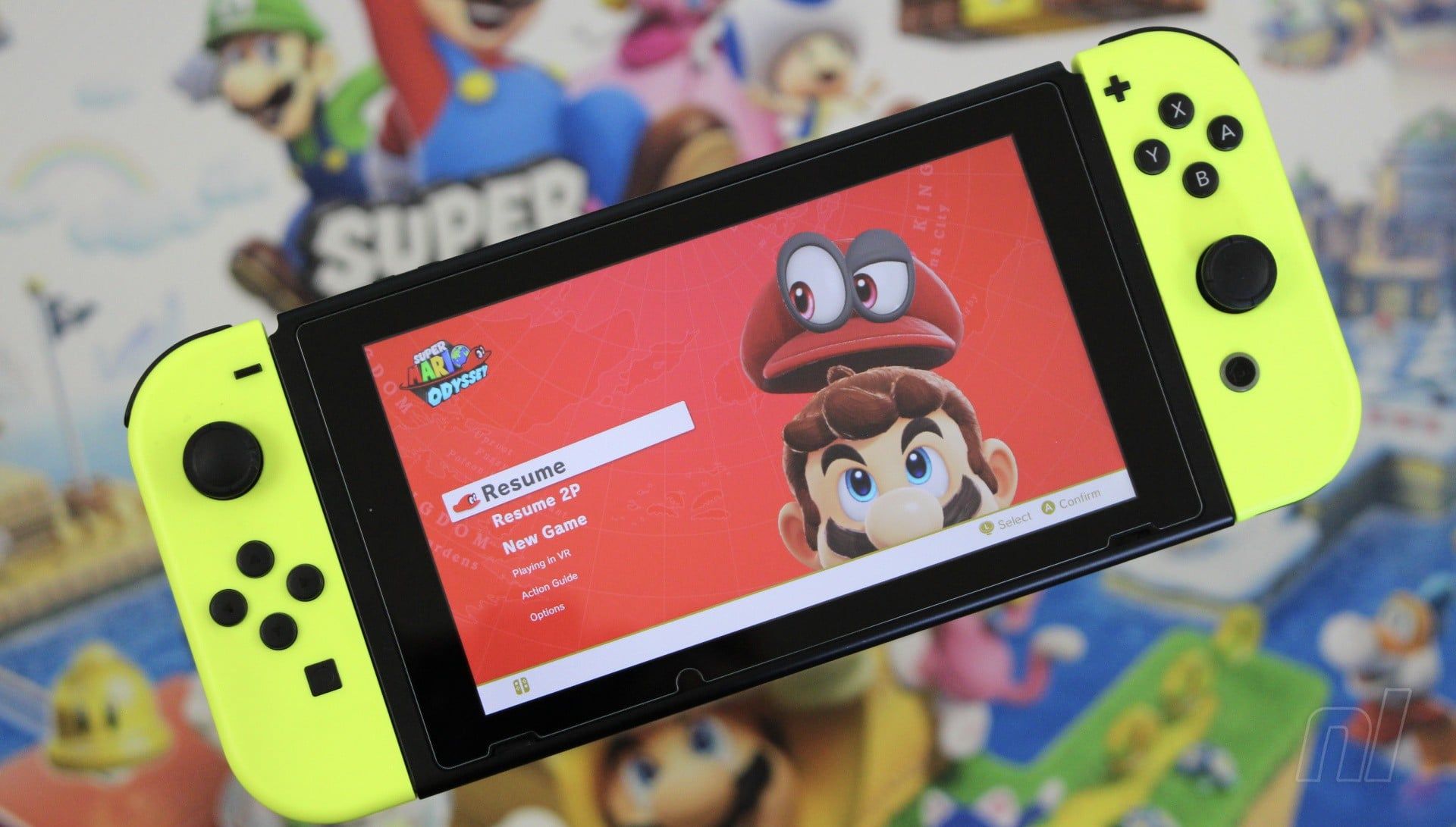
The Nintendo Switch has firmly established itself as a monumental force in the gaming industry, proving that a console can indeed be a silent guardian, watching over a massive global market with remarkable success.
Since its launch in 2017, the Switch has amassed an incredible total of 156.59 million units sold worldwide. This staggering figure speaks volumes about its appeal and its ability to connect with a diverse audience, cementing its place among the most successful gaming platforms of all time.
The success of the Switch is often measured against the broader console competition. In a hypothetical scenario, if Sony had managed to boost the sales of the PlayStation 2 by an additional five million units, reaching a total of 160 million, the Switch would have arguably secured the title of the best-selling console of all time. Yet, the true magnitude of the Switch’s impact extends beyond mere sales figures.
Analysts suggest that the Switch’s emergence played a crucial, almost strategic role in the landscape of the Japanese console market. Experts posit that had the Switch encountered significant failure—mirroring the experience of competitors like the Wii U—it might have inadvertently pushed Japanese gamers further into alternative entertainment avenues, such as mobile gaming and PC platforms.
Instead, the Switch appeared to act as a vital lifeline, offering a compelling and accessible middle ground that kept the Japanese console market buoyant and thriving. It provided a necessary alternative that prevented a potential market collapse, showcasing the enduring power of innovative hardware to shape consumer behavior and save vital industries.
Buy on Amazon
Credit