Smaller teams and lower pay make Nintendo, Capcom, and Konami healthier
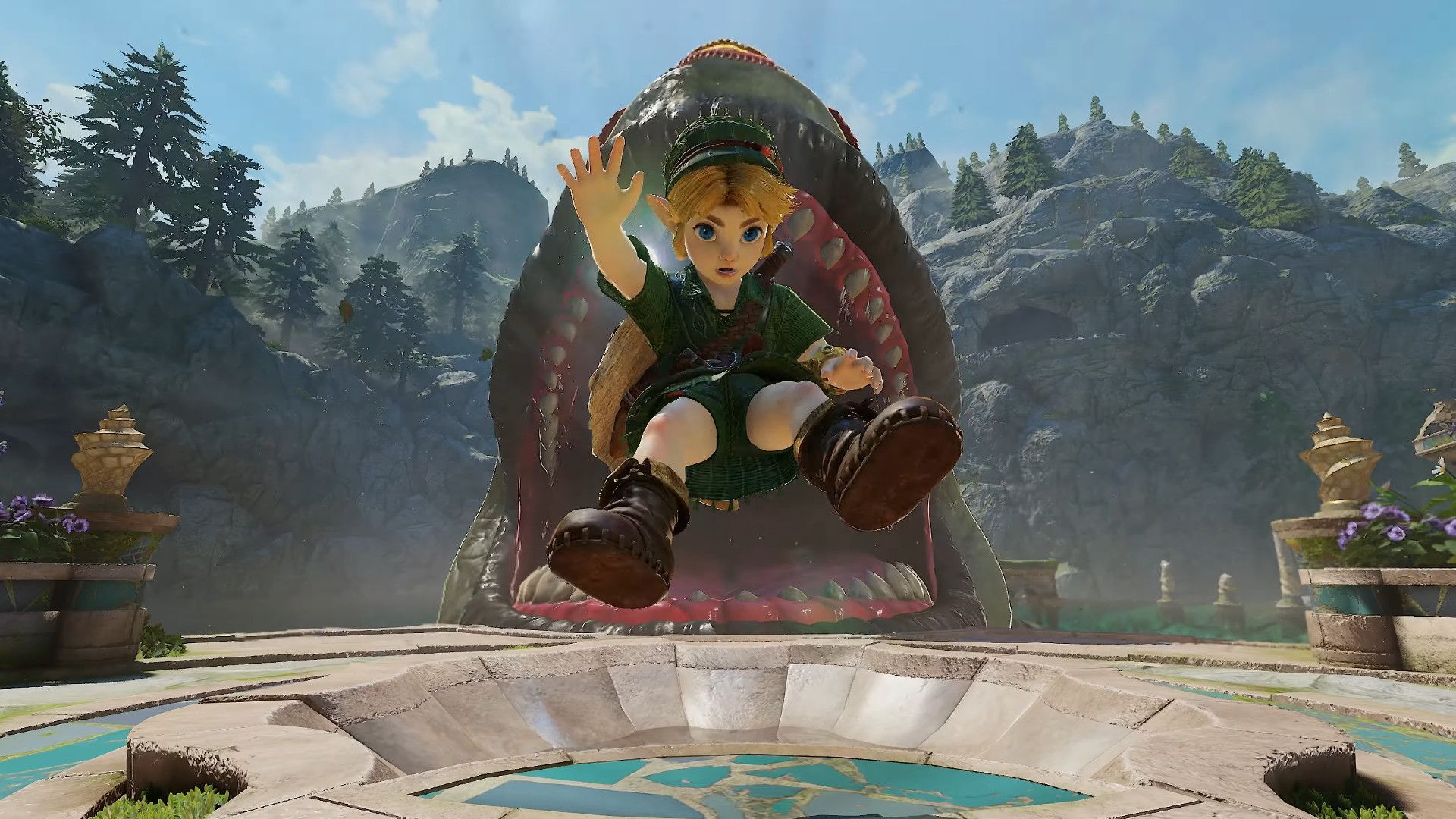
Even as the gaming world is gearing up for colossal launches—think the anticipated spectacle of GTA 6 and the billion-dollar shifts happening in publishing deals like the recent EA transactions—a shadow of uncertainty looms. Lingering fears suggest the entire industry might be headed toward its biggest crash in decades.
Yet, amidst this high-stakes drama, a fascinating regional difference emerges. While the West braces for impact, Japan continues to operate as a steadfast stronghold of stability, proving to be a completely different ballgame when it comes to industry shifts and layoffs.
The latest data paints a stark picture of this geographical divide. While the global game industry is navigating uncertain waters, analysts are tracking significant shifts. Projections indicate that between 2022 and 2026, the industry could see the elimination of around 57,628 jobs. Interestingly, this reduction is balanced by modest growth, suggesting that while some roles are shrinking, the sector is still alive and modestly expanding.
The real story, however, lies in where these cuts are happening. The job losses are heavily concentrated in North America and Europe, where the turmoil is most acute. Statistics show that 66% of these layoff events occurred in North America, affecting nearly 79% of the affected workers. This concentration highlights the intense pressures facing traditional triple-A studios in Western markets, with some regions, like California, being identified as “ground zero” for much of the destruction.
This dynamic contrasts sharply with the Japanese market, which demonstrates remarkable resilience. Industry leaders like Nintendo and Capcom, for instance, maintain impressively high staff retention rates, often exceeding 97 per cent. This stability suggests that Japanese development teams have successfully navigated the industry trends, avoiding the pressures of the “live-service trend” or the formation of massive, sprawling 500-person teams that characterize other sectors.
Furthermore, the structure of the Japanese industry offers a different kind of financial safety net. While executive compensation remains strong, the scale is noticeably different. For example, a Japanese corporate president might earn around $2 million in total compensation, offering a contrast to the massive payouts seen elsewhere. This difference in corporate structure and compensation reflects a fundamentally different approach to managing risk and growth.
Ultimately, this comparison serves as vital context. While the layoffs and economic uncertainties gripping North America and Europe are concerning, the continued health of the Japanese game sector offers a compelling glimpse into how different regional strategies can ensure longevity in an ever-changing entertainment landscape.
Credit