
Madden 27 Gameplay Review
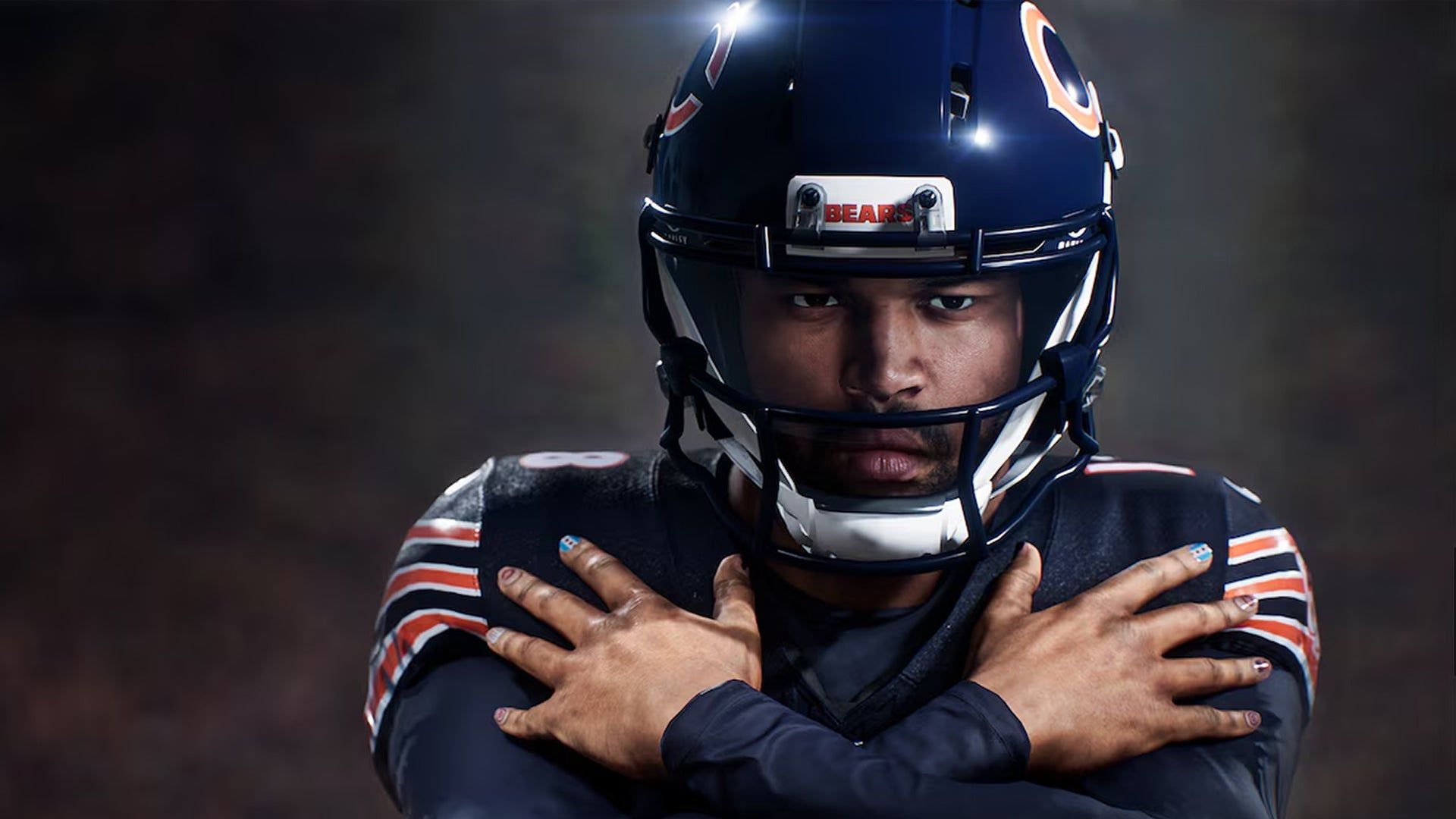
From the moment the first pregame animation loaded, Madden NFL 27 immediately established a presence that feels fresh and compelling—a noticeable upgrade in the way the game handles the visceral experience of football. Whether it’s the players’ expressions, the roar of the crowd, or the coaching staff on the sidelines, everything felt genuinely right, transporting the player into an almost immediate sense of being right in the thick of the action. While this is just the beginning of a full review, the overall impression suggests that EA Sports might be onto something significant here.
The biggest game-changing innovation lies in the reworked passing game, which introduces a new Timing-Based Catch mechanic designed to elevate the interaction between quarterbacks and receivers. This system demands precision, rewarding players who can execute timing perfectly. When a pass is thrown, holding the catch button activates a meter over the receiver’s head; releasing the button within the green zone grants an advantage, leading to a successful completion. Mastering this subtle art transforms catching a ball from a simple action into a calculated maneuver that gives the receiver a genuine edge over the defender.
This new emphasis on coordinated passing is ingenious, forcing players to think about how the quarterback and receiver must work in perfect tandem on every play. It allows for nuanced control over aiming and throwing strength, but it also introduces complexity. For certain plays, like bullet passes, the window of opportunity shrinks considerably, making those quick, high-speed throws challenging to land successfully with this new methodology.
The mechanics demand focus. In modes where both the quarterback and receiver are controlled simultaneously, such as Quick Play, the system evolves into something akin to a fighting game sequence, requiring rapid input and precise timing to execute complex passes smoothly. This precision is exactly what elevates the gameplay, pushing players to master the rhythm of the field.
Beyond the core gameplay improvements, Madden 27 introduces a spectacular shift in Franchise mode with the arrival of the Persona Engine. This engine aims to inject true narrative depth into team management by giving every player motivation, goals, and desires. It moves beyond simple statistics to introduce real-world stakes: managing your stars’ happiness can lead to negotiation tactics like “trade” or “holdout.” This is already manifesting in the game, with players discussing contract negotiations as part of their goals.
While the full potential of the Persona Engine will unfold as the franchise progresses, its introduction hints at a deeper, more engaging layer for long-term team building that moves beyond mere roster management. Meanwhile, modes like Madden Ultimate Team continue to deliver on familiar experiences—open packs and challenges—but in the grand scheme of things, these familiar structures serve as a strong foundation rather than a revolutionary shift.
Ultimately, Madden 27 shines brightest in its core gameplay. The new passing system is a tough nut to crack, but once mastered, it delivers a powerful sense of control under center. Coupled with the exciting development of Franchise mode, the game feels like a significant leap forward. It proves that even years of established sports gaming can introduce genuinely innovative systems that enhance the experience for everyone at the table.
Buy on Amazon
Credit