
Lies of P leads feel pressure for a better sequel
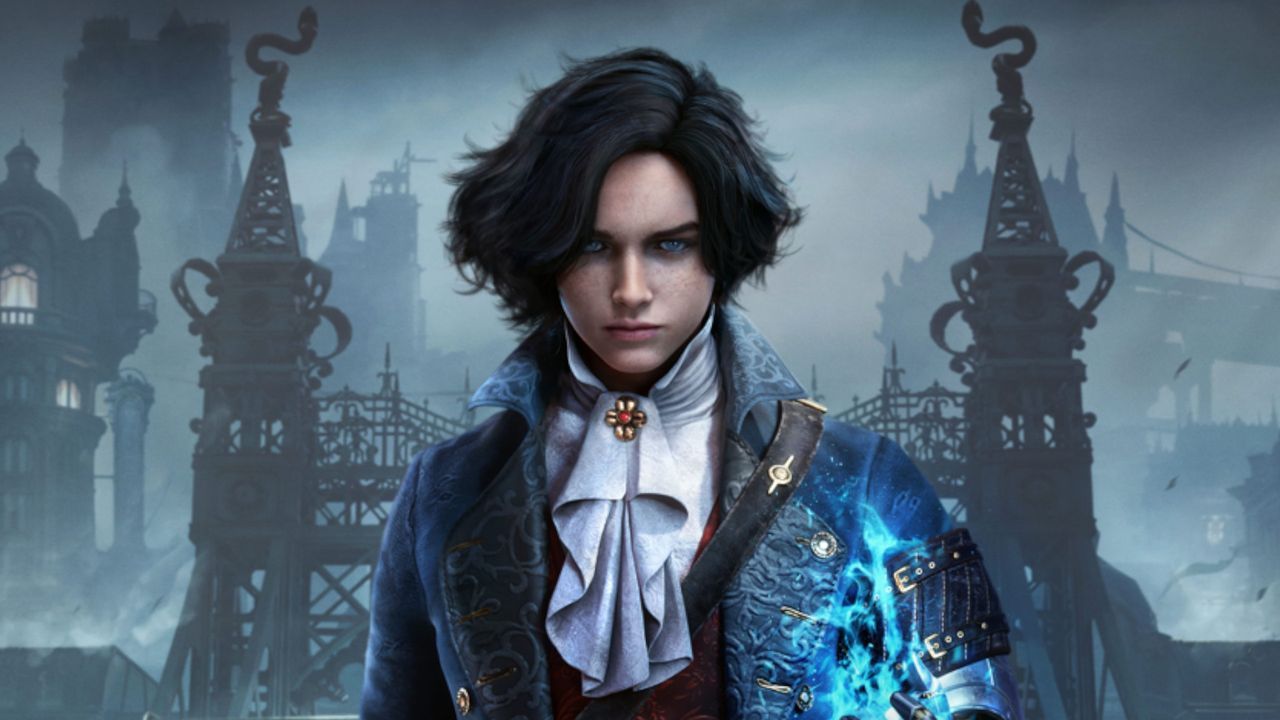
The pursuit of perfection is often a heavy cloak draped over artistic success. For developers who manage to craft acclaimed works, the challenge doesn’t end at the awards ceremony; it shifts into an even more demanding realm: the relentless drive to create something truly exceptional next.
Nough Studio, the creative force behind the critically lauded action RPG Lies of P, is currently navigating this intense pressure. Three years after their success and subsequent development of a sequel, the team now faces the weighty expectation to deliver an experience that surpasses their previous achievements.
“Back then, standing on that stage felt like something that happened to other people,” narrative director Kwon Byungsoo shared in a recent video from Nough Studio. “Now, I find myself thinking, ‘we have to do even better next time. How much better do we need to be?”
When the team first began, they were building from a completely blank slate, focusing solely on pushing their own boundaries and exploring what they could achieve. The experience of making Lies of P served as a monumental starting point, raising an extremely high bar for future projects.
Art lead Cha Byungjun stressed the importance of maintaining that initial creative mindset. “We’re trying to hold onto it,” he stated. The goal is not merely replication, but continuing the journey of innovation that defined their previous success.
This internal focus on evolution is palpable across the team. Director Choi Juwon noted that while there was excitement during the creation of Lies of P, the current atmosphere is one of intense collaboration and shared ambition. “Everyone is seriously thinking about how we can do even better,” he said, adding that this collective drive to push further has only grown stronger.
The question now facing Nough Studio is whether their next endeavor will harness the same level of genre-defining innovation that made Lies of P a landmark title. While it is too early to say definitively, the unity within the team suggests they are determined to push creative boundaries further than ever before.
The pressure, therefore, transforms from external criticism into an internal engine—a powerful motivation to build upon their legacy and define the next evolution of the genre.
Buy on Amazon
Credit