
Marvel Tokon missed 1M sales with poor port and reviews analyst says
Marvel Tokon: Fighting Souls arrived with a bang, quickly racking up 485,000 copies across PlayStation 5 and Steam in its first week. While those numbers signal a solid debut for the 4v4 tag team fighter, industry analysts suggest that the true potential of the game remains largely untapped—especially if the friction caused by the PC port had been smoothed out.
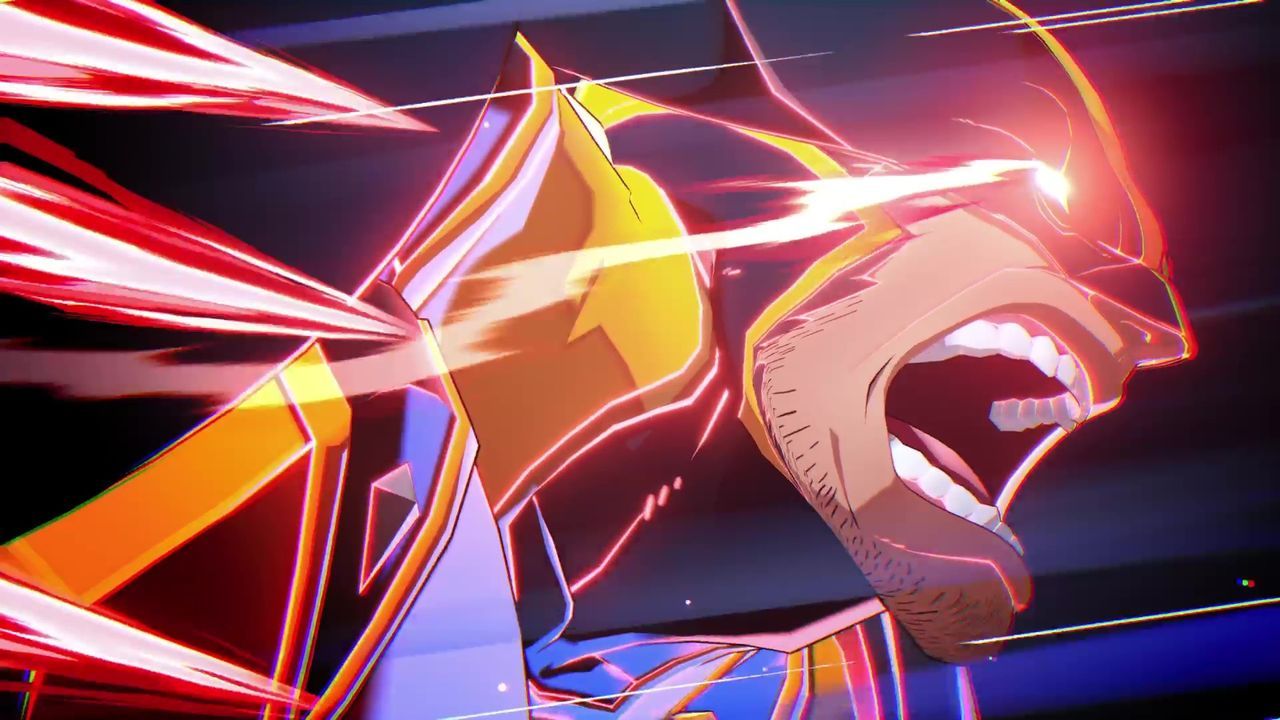
The core product itself is undeniably spectacular. Developers from Arc System Works infused Marvel Tokon with their characteristic ostentatious combat style and vibrant artwork, resulting in a visual experience that critics adore. One reviewer noted that the game delivers on animation quality until a player executes a truly screen-filling super skill, cementing its status as a high-caliber 2D animation masterpiece.
However, the journey from console launch to PC distribution introduced significant turbulence. The game’s success story is complicated by the widespread frustration surrounding the Steam port. Many reviewers focused their negative feedback not on the mechanics of the fighting game itself, but on the platform experience: performance issues, intrusive DRM, a lack of essential Linux support, and the requirement for a PlayStation Network account to play on PC.
This conflict created a peculiar paradox. Despite extensive negative reviews—totaling over 2,658—the majority of those comments focused on these platform limitations rather than the quality of Arc System Works’ actual game. This suggested that players were less critical of the game and more critical of the perceived baggage associated with PlayStation’s shift away from physical discs.
This tension highlights a broader theme in modern gaming: the experience is often defined not just by the pixels on the screen, but by the ecosystem surrounding them. As one player noted in a popular review, while they adored the game, they felt compelled to call out what they perceived as an unfair process that hindered true accessibility.
Analysts argue that if the launch had been free from these digital hurdles, Marvel Tokon could have achieved significantly higher sales. The current figures, while respectable, feel like a minimum given how much compelling content the game possesses.
The story of Marvel Tokon is ultimately a reminder that prioritizing the user experience—ensuring performance, compatibility, and broad accessibility across all platforms—is just as crucial as crafting stellar gameplay. Fixing the digital infrastructure allows the brilliant creation to reach its full audience, ensuring that future hits don’t languish in the shadows of distribution woes.
Buy on Amazon
Credit