
MGS4 The Masterpiece Kojima Couldn’t Make
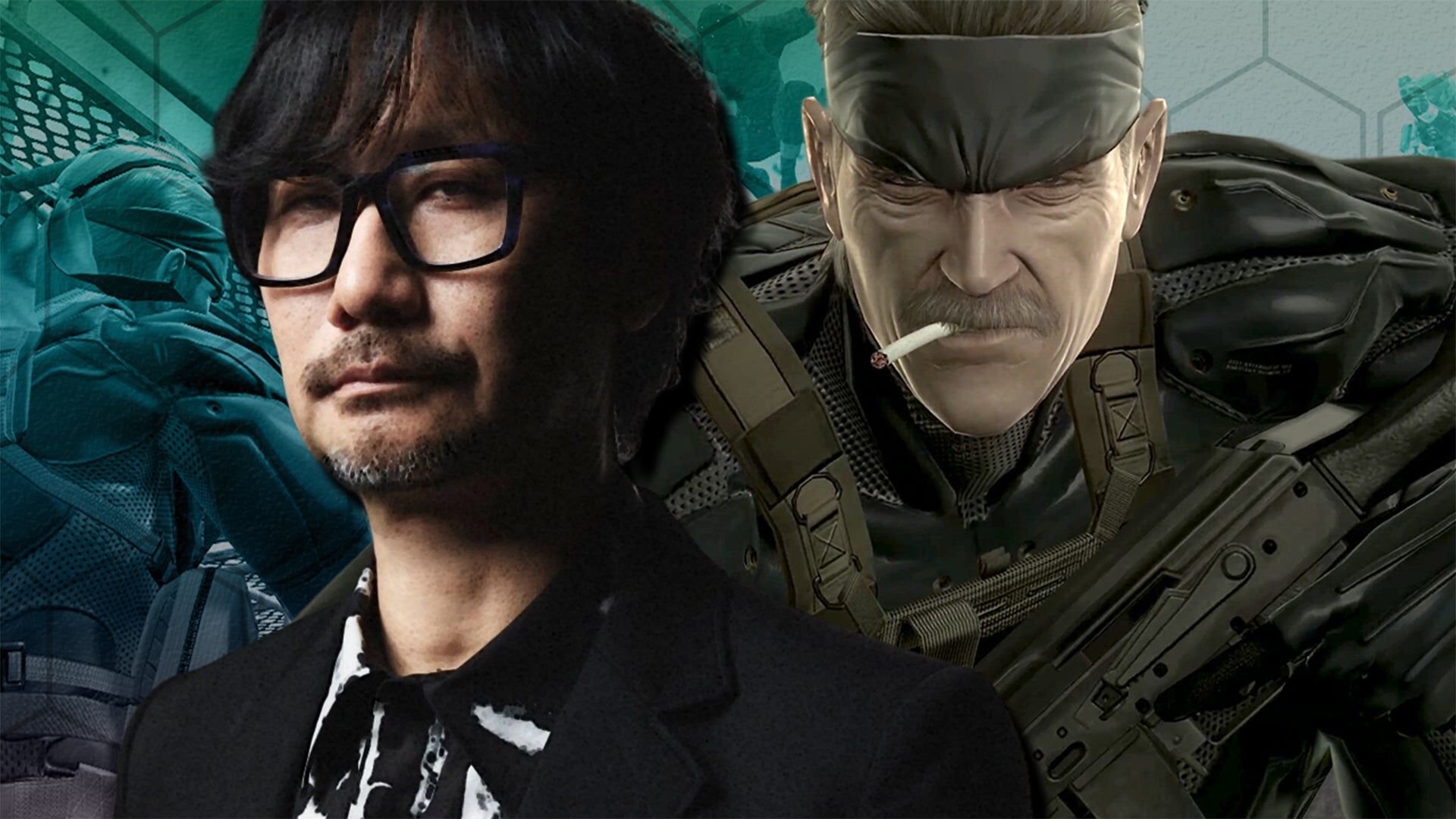
The Funeral for Old Snake: Why Metal Gear Solid 4 Still Demands Our Attention
Metal Gear Solid has always been a saga defined by spectacle, philosophy, and impossible ambition. But standing at the end of this sprawling narrative—specifically with Guns of the Patriots—we are left with a game that is less a conclusion and more a profound, almost agonizing eulogy. It is a masterpiece of mood, but one that leaves many fans pondering not just the story, but the very nature of what it means to end a legend.
Hideo Kojima, known for his penchant for grand cinematic vision, publicly expressed a desire to leave the franchise long ago. Yet, despite these declarations, MGS4 arrived as a bombastic epic, a feverish rush of action that feels far more honest than many of its predecessors. It is a game steeped in a gloomy weight, mirroring the somber realization that the conflict is over, and the scores must be settled.
The game plunges the player into a world where grudges, flames, and fractured alliances converge in a final reckoning. It doesn’t offer easy answers; instead, it presents a brutal, emotionally charged conclusion. Watching the fate of Old Snake—a legendary mercenary who has survived unimaginable horrors—is an experience that forces us to confront the bitter reality of his journey. He is punished, broken, and ultimately humbled, offering a devastatingly beautiful reflection on heroism and decay.
This narrative approach stands in stark contrast to the cocky, action-heavy protagonists seen in other modern games. MGS4 embodies a different kind of drama: linear, agonizingly detailed, and deeply immersive. The game’s success lies in its commitment to embodiment. By forcing us to experience Snake’s suffering moment by moment, the game achieves a level of pathos that the series has rarely approached, making the experience intensely personal rather than purely entertainment.
While the cinematic presentation—with its lengthy, intense cutscenes—can be demanding, the linearity is a defining strength. Each act feels like a separate genre, shifting the tone from stealth infiltration to a sprawling war zone, demanding our attention through a continuous, immersive journey. This commitment to linear storytelling ensures that the player is fully immersed in the grueling ordeal of the final mission, making the experience feel immediate and inescapable.
Beyond the narrative, the game reveals more about Kojima’s ambition. It is an ambitious, messy, and sincere sendoff that ultimately works by bursting at the seams with unfiltered honesty. It manages to tie together decades of lore through a unique, almost fragmented structure that respects the complexity of the Metal Gear universe, even if it resists simple categorization.
Even when viewed through the lens of modern gaming, some elements of MGS4 feel aggressively unfriendly—a deliberate choice that rejects the easy marketability of today. It is a work that demands that we sit with its grandiosity, endure its spectacle, and look closely at the character it portrays. In doing so, we realize that some of the most enduring masterpieces are those that refuse to be neatly packaged or easily dismissed.
Buy on Amazon
Credit