
NPC Lives in GTA 4 A Rockstar Producer’s Regret
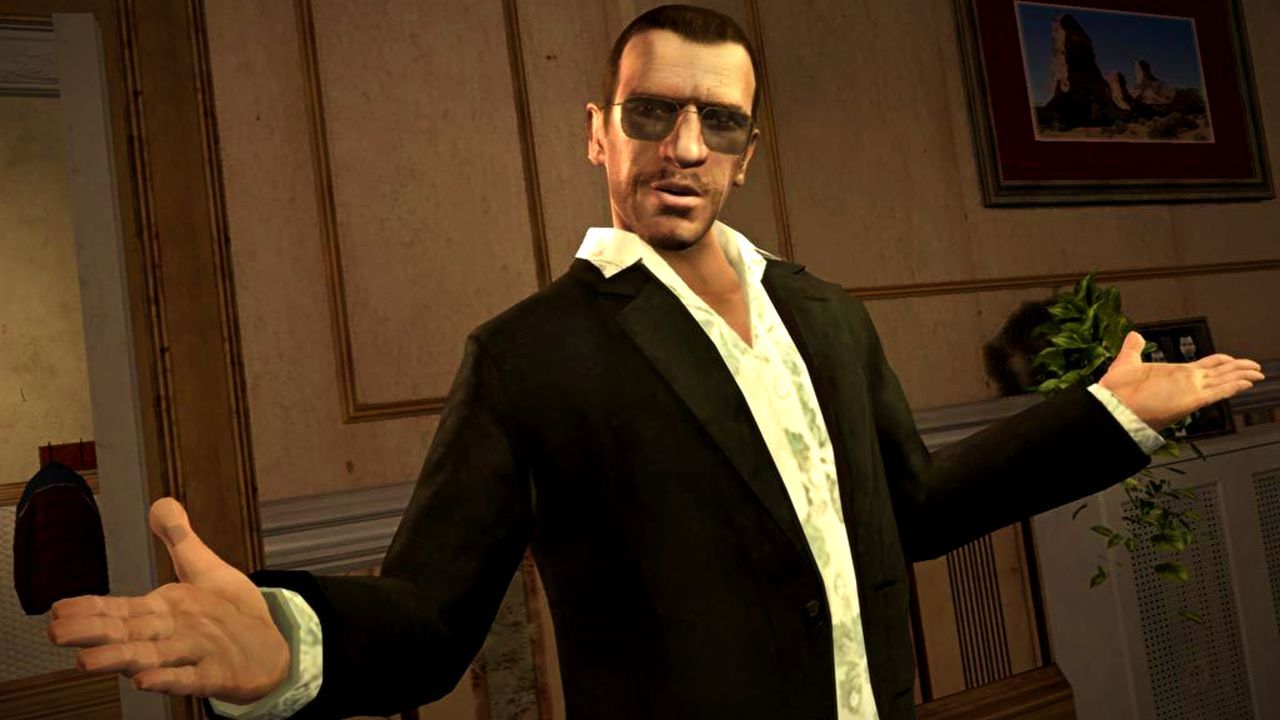
In the world of open-world gaming, where details matter, sometimes the pursuit of absolute realism leads to spectacular headaches. A fascinating anecdote from Rockstar Games reveals this tension perfectly: the dream of giving every character in a massive city a fully simulated life proved to be more complicated than it was worth.
The idea originated with former producer Leslie Benzies, who envisioned that the Non-Player Characters (NPCs) in titles like GTA 4 should possess their own schedules, personal routines, and believable lives—driving to work, having appointments, and living full existences.
While this concept sounds like the pinnacle of immersive world-building, translating that complexity into game code proved to be a monumental task. As Obbe Vermeij, a former technical lead at Rockstar, recounted the experience, implementing such deep NPC simulations created a cascade of problems for the development team.
“We worked towards it for a bit, but it ended up being so problematic,” Vermeij explained. The sheer volume of simulated activity resulted in countless bugs and technical hurdles that slowed down development considerably.
Beyond the technical challenges, there was an artistic debate about necessity. Vermeij admitted that while Benzies wanted fully simulated NPCs, he ultimately didn’t feel the added realism provided much benefit to the gameplay experience itself.
“I didn’t like the idea of fully simulated NPCs because it felt like it didn’t really matter that much,” he noted. The core question became: did simulating a life genuinely enhance the player’s interaction with the world?
This hesitation reflects a broader philosophical point about game design. Vermeij suggested that perhaps aiming for strict, photorealistic realism is not always the most important goal in interactive entertainment. He posited that players are perfectly content with NPCs being a little shallow and fake.
“I actually think that, psychologically, players are fine with NPCs being a little fake and shallow,” Vermeij elaborated. “I think what it comes down to is that realism is just not necessarily something to aim for in a game.”
Ultimately, the experience highlighted a key truth about sandbox games. Historically, titles like Grand Theft Auto have found their greatest success when they prioritize chaotic sandbox environments over hyper-realistic city simulations.
The fun often comes not from perfect scheduling, but from the freedom to cause mayhem within an engaging, albeit slightly stylized, environment. This insight suggests that in the world of gaming, embracing controlled chaos may be far more rewarding than chasing perfectly simulated schedules.
Buy on Amazon
Credit