OG atmosphere for Ocarina of Time remake vs N64 controls
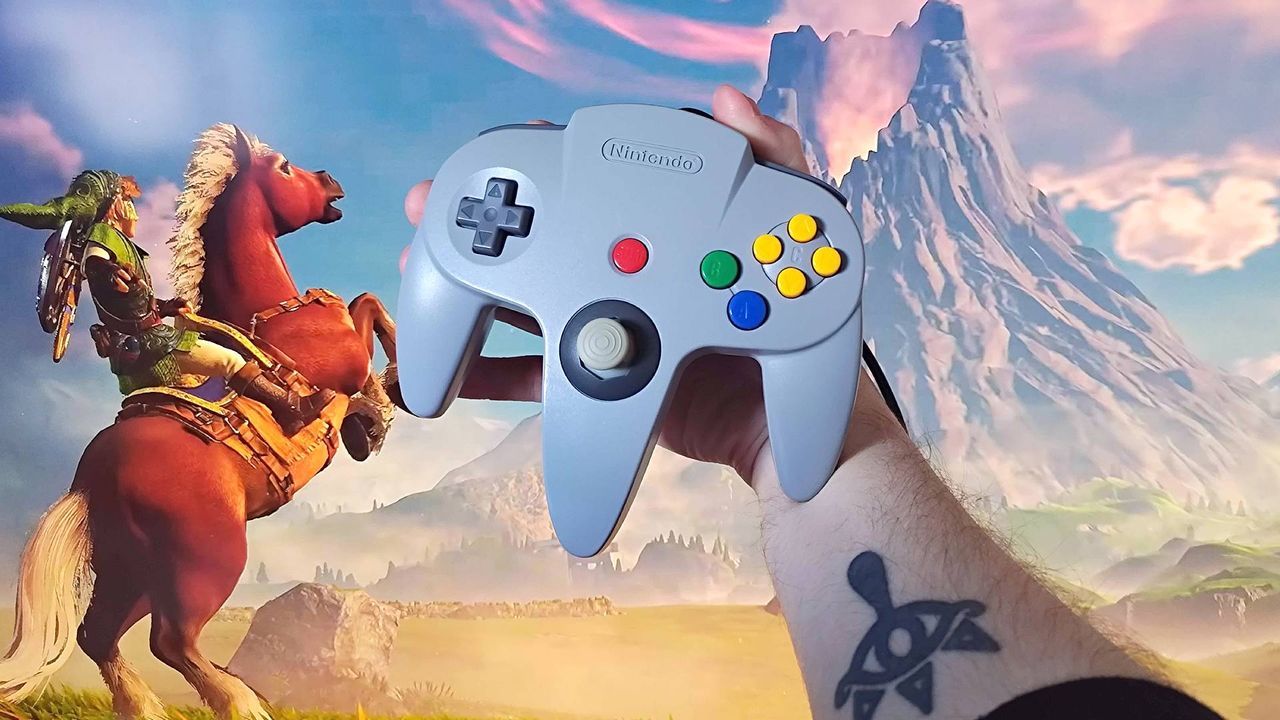
When discussing the upcoming remake of The Legend of Zelda: Ocarina of Time, the conversation inevitably turns to the controls. While Nintendo has delivered a visually stunning update, the real debate centers on whether modern gameplay should sacrifice the atmospheric charm of the original, or embrace innovation entirely.
The core tension lies between the polished experience of a modern remake and the unique, tactile experience of the original 1998 game. The original Ocarina of Time used a system of camera control—specifically the Z-targeting—that wasn’t just a mechanism for viewing, but an integral part of the game’s mood. Tapping the Z button didn’t just shift the camera; it triggered a specific tonal shift, accompanied by sounds and visual elements that created a sense of wonder and urgency.
In the overworld, Z-targeting produced a jauntier pan-flute sound, inviting the player into a whimsical sense of curiosity. Similarly, when locking onto an enemy in a dungeon, the camera employed confirmation letterboxing and eerie stone echoes, making the act of peeking ahead feel more daunting. These details turned what could have been simple camera mechanics into an atmospheric journey, cementing the nostalgic feeling of classic 3D adventure.
This dedication to mood raises an important question for the remake: should these crucial, historically layered controls be relegated to the past? While the new version offers streamlined, free-moving camera controls and dedicated jump/sprint buttons, some argue that retaining the classic N64 gamepad experience could honor the game’s roots better.
The argument for incorporating classic controls rests on the idea that the specific sensations of the old setup add something unique. Players who grew up with the N64 experience often value the immediate, physical feedback of using a controller with its distinct stick and button layout. This hardware interaction, combined with the atmospheric audio cues, creates a gameplay vibe that is deeply rooted in nostalgia.
If Nintendo were to offer an option for players to utilize an N64-style controller in the remake, it could preserve these essential original elements. It would allow players who seek that specific, authentic gameplay vibe to retain the quick snap and associated sound effects that made the original legendary.
This desire for authenticity leads to some creative solutions. For players who want the feel of classic N64 controls without necessarily needing the original hardware, modern alternatives exist. Devices like the 8Bitdo N64 controller offer an authentic layout that can be seamlessly plugged into contemporary systems, providing a bridge between the past and the present.
Ultimately, whether the remake leans into pure modern innovation or embraces the charm of its history depends on the design philosophy. But for those who cherish the atmospheric storytelling of the original, providing the option to play with classic controls could prove to be the most engaging way to preserve the magic of Hyrule.
Buy on Amazon
Credit