
Pokemon Artist Designs Deltarune Character
Beyond the Game: How Pokémon Artists Shaped Deltarune’s Most Beloved Creatures
The success of Deltarune has placed it firmly among the RPGs achieving a peak moment on Steam, drawing nearly 300,000 concurrent players. But the magic doesn’t just lie in the bouncy platforming or the unique narrative; it also resides in the incredibly endearing cast of pocket monsters that populate the world. Central to this charm are characters designed by the talented artist Hitoshi Ariga, whose pedigree runs deep through the world of gaming and Pokémon.
Ariga is more than just a game designer; he is a seasoned visual artist who has contributed his distinctive style across various media. His portfolio spans classic titles like Illusion of Gaia and Streets of Rage 2, establishing him as a master of character design. This artistic foundation seamlessly transitions into the world of Pokémon, where he has been instrumental in creating fan-favorite monsters such as Ogerpon, Flutter Mane, and Sneasler.
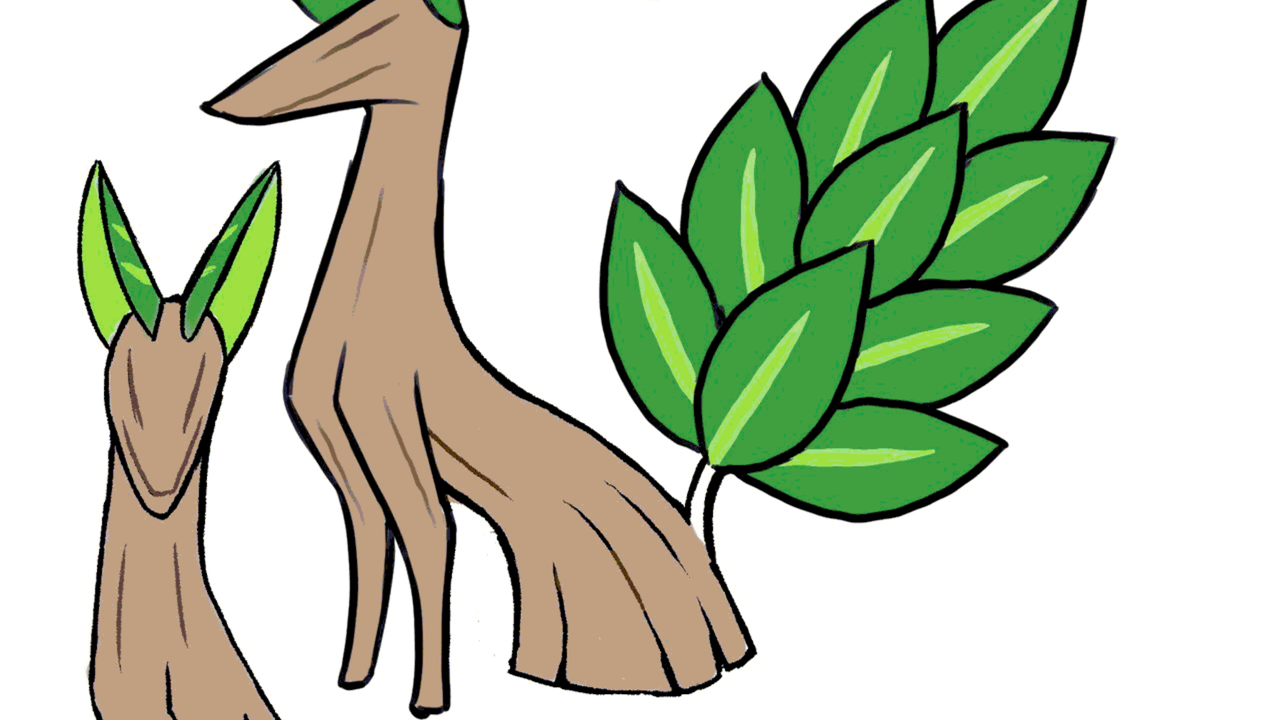
When it came to the newest chapter, Deltarune Chapter 5, Ariga’s input was crucial in bringing the Netskie enemies to life. Although he appeared in the game’s credits as a guest character designer, developer Toby Fox took the liberty of refining his initial sketch for the inhabitants of this new realm.
Ariga’s original vision for the Netskie featured a design that leaned heavily toward nature. It was envisioned as a Grass-type baby, characterized by soft lines and body details suggesting wood grain and springy green leaves, with elegant ears and tails reminiscent of Leafeon and Deerling.
However, Toby Fox aimed for a specific aesthetic within Deltarune—a world steeped in dull neon hauntings rather than bright, vibrant fantasy. Consequently, Fox made significant modifications to Ariga’s sketch. The final enemies are rooted to the ground and take on the distinctive shape of an orange fox with a spread of nine violet tails.
This artistic adjustment resulted in creatures that perfectly fit the mood of Deltarune, offering a look that is grounded and slightly mischievous, embracing the moody ambiance of the game. It’s a wonderful example of how collaboration—where a master artist’s vision meets a developer’s unique thematic goal—can produce something truly memorable.
Buy on Amazon
Credit