
RAMageddon: 2027 Memory Capacity Sold Out
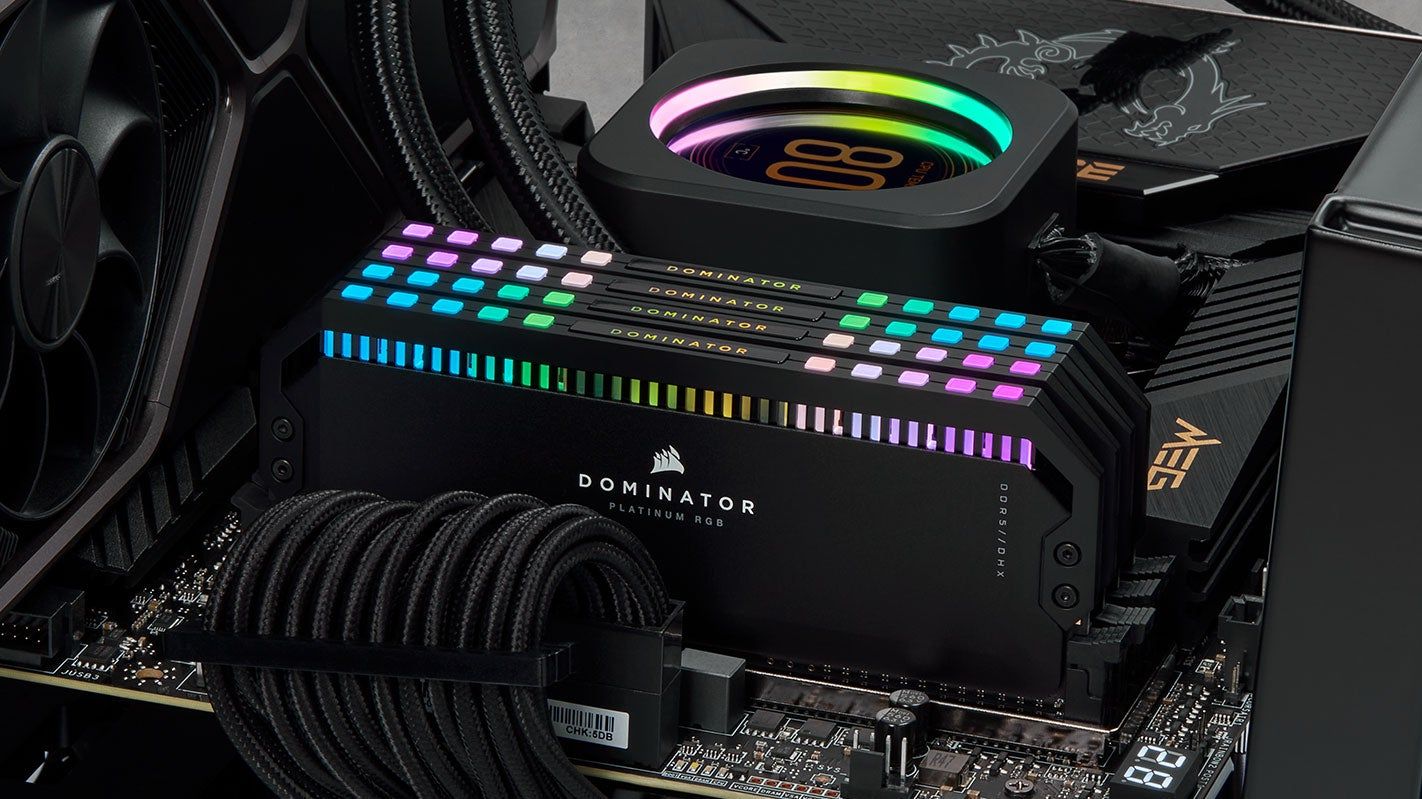
The memory crunch seems to have entered a new, ominous phase. Despite ongoing discussions about future solutions, a fresh report suggests that the scarcity of vital components is set to escalate as memory manufacturers fulfill massive orders for the AI sector.
A recent analysis indicates that the three major memory producers—Samsung, SK Hynix, and Micron—have collectively sold through their manufacturing capacity designated for 2027 to AI companies. This means all available DRAM and HBM capacity is reportedly booked and allocated, with no further supply planned.
While the manufacturers have not yet officially confirmed these figures, the implication is clear: retail prices are poised for even steeper increases in the near future. The root of this problem lies in long-term purchasing agreements; many companies secured their supply by pre-ordering memory that hasn’t even been manufactured yet, spanning a five-year term.
Unless significant new capacity opens up quickly, it is challenging to envision a timeline for RAM becoming both more affordable and less scarce. The current system dictates that scarcity remains the rule in high-demand hardware.
The pressure isn’t limited to memory chips; the cost inflation touches the entire hardware ecosystem. Demand for NAND storage is also surging, though the supply chain has managed to distribute these supplies among more vendors. This demand translates directly into rising costs for Solid State Drives (SSDs).
For example, even relatively standard PCIe 4 drives are seeing dramatic price hikes. A common drive, like the Western Digital SN7100, saw its cost jump significantly—rising from about $110 in January to nearly $189 before any current promotional discounts.
This supply bottleneck is directly affecting consumer experiences. The high cost of memory isn’t just an abstract concern; it is manifesting in the prices of entertainment systems. Recently, major gaming hardware has seen price adjustments, including increases for the Xbox Series X and the Steam Machine itself, largely driven by these underlying component costs.
It leaves consumers in a frustrating position, watching technological progress be stalled by supply chain realities. The lingering question remains how long this cycle of scarcity will persist, and when that economic bubble might finally allow for more affordable access to the cutting-edge hardware we crave.
Buy on Amazon
Credit