
Saber adds AI disclosure during CEO’s ChatGPT feud
The simmering tension between former writer Stella Sacco and Saber Interactive CEO Matt Karch is finally boiling over, not with professional disagreement, but with the digital revolution itself: artificial intelligence in game development. What began as a personal spat has morphed into a high-stakes discussion about authorship, liability, and whether the future of interactive entertainment should be coded by algorithms.
Sacco insisted she was replaced by AI, specifically ChatGPT, midway through the development of Saber’s space simulation games. She claimed that the passenger voices in the game were also AI-generated. Karch, however, countered this narrative with a playful yet pointed rebuttal, suggesting that if he had been in Sacco’s position, he would have happily traded a fired writer for an algorithm.
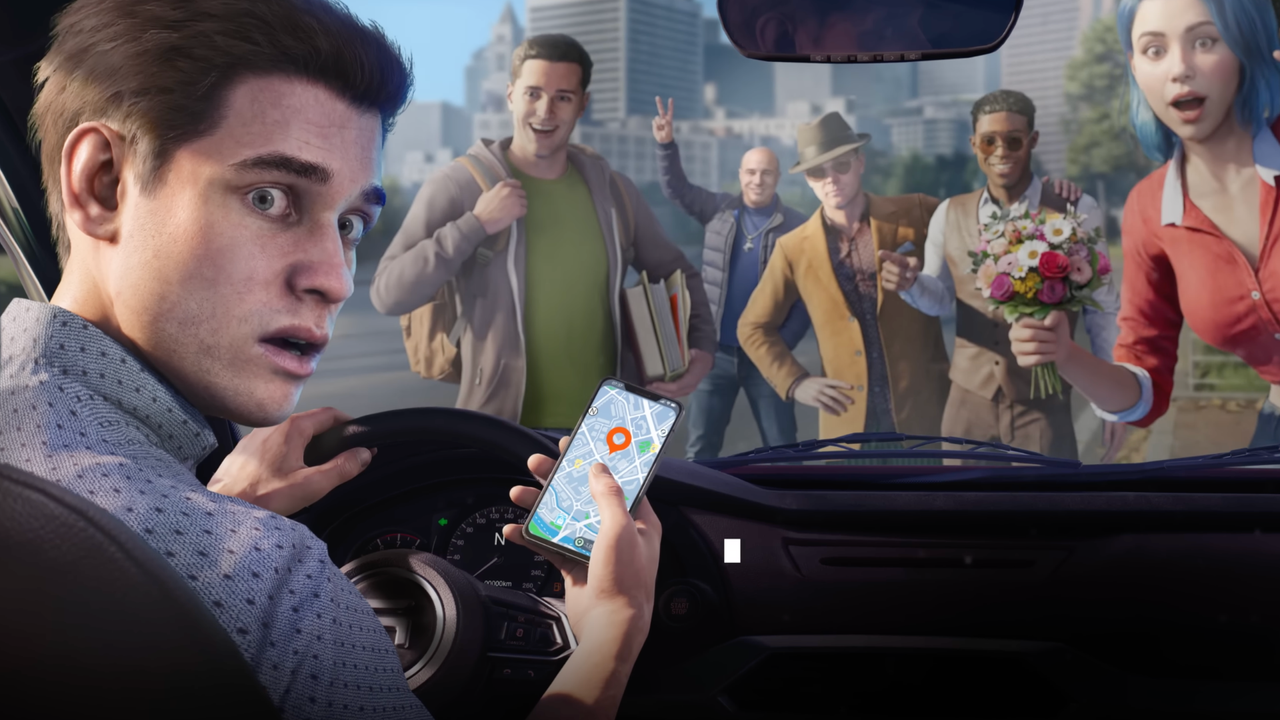
Yet, as the drama continued, Saber Interactive took a decisive step toward transparency. For the upcoming driving simulation, Rideshare Stimulator, the developers decided to fully label their use of generative AI. This move aimed to settle the public and critical debate about using AI tools in creative production.
The Steam page for Rideshare Stimulator now clarifies the creative division: the main campaign story, characters, and dialogue were penned entirely by human writers. However, AI tools were utilized for more technical aspects, including voice generation and some localization work.
Adding further layers to the disclosure, the optional Free Ride mode—which features infinitely generated passenger missions and localized dialogue—relies heavily on AI. This separated feature is explicitly designed so players who prefer a purely human-written narrative can bypass it entirely.
The use of AI extended beyond simple dialogue; the game also incorporates a mix of music featuring both human-made compositions and AI-generated tracks, with clear labeling indicating when an AI contribution is present. This level of integration signals that generative AI is no longer a niche tool but a foundational element in how some studios are building their worlds.
This move comes amid broader industry scrutiny. Other projects have faced intense backlash for integrating AI-created assets, prompting developers to reconsider the risks. Concerns over copyright and legal liability—as noted by game lawyers who advise caution regarding generative AI use—have led some in the gaming community to urge studios to proceed with extreme care.
Despite the ongoing friction between former staff and leadership, Saber’s decision to openly detail its methods suggests a pragmatic acceptance of the technology. CEO Karch acknowledged that incorporating these features required hiring extra writers and coders to manage the process, noting that the net cost was less than the potential PR fallout, emphasizing that the goal was innovation, not just efficiency.
Ultimately, the saga of Saber and AI in gaming serves as a fascinating case study: developers are grappling with how to harness the power of generative tools without sacrificing creative integrity or inviting controversy. The future of game design may well be one where human creativity and machine intelligence collaborate seamlessly.
Buy on Amazon
Credit