
Space Marine Saber Interactive confirms AI label for Steam rideshare controversy
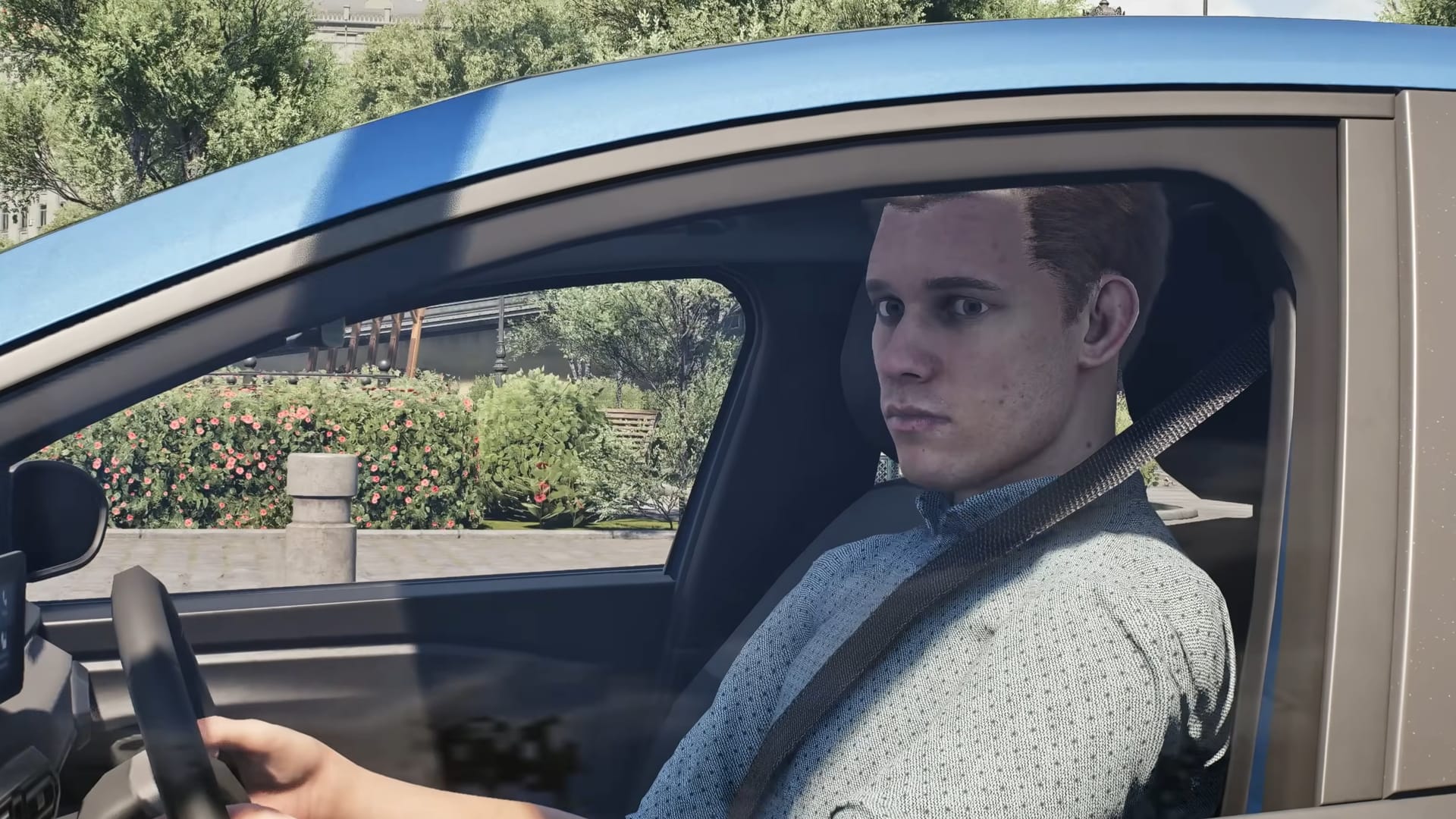
The future of video game development is rapidly being reshaped by artificial intelligence, but for some publishers, embracing these tools comes with an equally messy set of internal debates. Saber Interactive, the publisher behind the popular title Rideshare Stimulator, has recently navigated public criticism regarding the use of AI in their game development process, confirming that they plan to disclose AI features on Steam.
Saber CEO Matthew Karch addressed these concerns, offering a perspective that balances innovation with practical business realities. He stressed that the team was not shy about integrating AI-powered features, which include generative speech and text in secondary modes. While he noted that incorporating these tools required significant effort—bringing in multiple writers and coders to achieve reasonable results—he argued that the net cost of incorporating AI was less than withholding it.
Karch emphasized that the goal of integrating AI is not merely about corporate efficiency or team reduction. Instead, he framed the discussion around enhancing the actual gaming experience itself. “It’s not and has never been about efficiencies and team reductions. Rather, it’s about how AI can improve the game experience,” he stated.
This commitment to incorporating advanced technology is mirrored by an understanding of the talent required to wield it. Karch firmly stated that Saber’s interest lies in staying ahead of these tools, which necessitates continued investment in hiring and mastering AI technologies, rather than attempting to have a powerhouse team replaced entirely by algorithms.
The internal discussions surrounding this technological shift spilled into the public arena, particularly following a dispute involving former writer Stella Sacco. Sacco had claimed she was “replaced” by tools like ChatGPT after leaving the project in 2023, asserting that AI was used throughout the development process for both voice and text.
Karch denied these claims of replacement but acknowledged the complexity of the situation. He pointed out that while other games utilize AI audio companies like Eleven Labs for prototyping, Sacco had been removed from the project for separate reasons.
The tension between corporate defense and personal narrative escalated when Sacco responded publicly, suggesting that Karch’s stance was a reflection of managerial discomfort rather than fact. She insisted that the discussion surrounding AI use, especially in relation to the Saber brand, needed transparency, arguing that it was important for people to see what kind of leadership was present.
Regardless of the internal specifics, the community response was loud and clear. The Steam forum for Rideshare Stimulator became a hub of complaints, with many users demanding an AI disclosure on Valve’s platform, noting that while Steam policy requires developers to report visible in-game AI, it does not cover background tools.
Ultimately, the saga of Rideshare Stimulator and its developers serves as a compelling case study: navigating the intersection of cutting-edge technology, creative ownership, and public expectation. It highlights the ongoing challenge for game studios to integrate powerful new tools without sacrificing the human touch that defines truly great interactive experiences.
Buy on Amazon
Credit