
Star Wars Zero Company Nightmare on 5 PCs
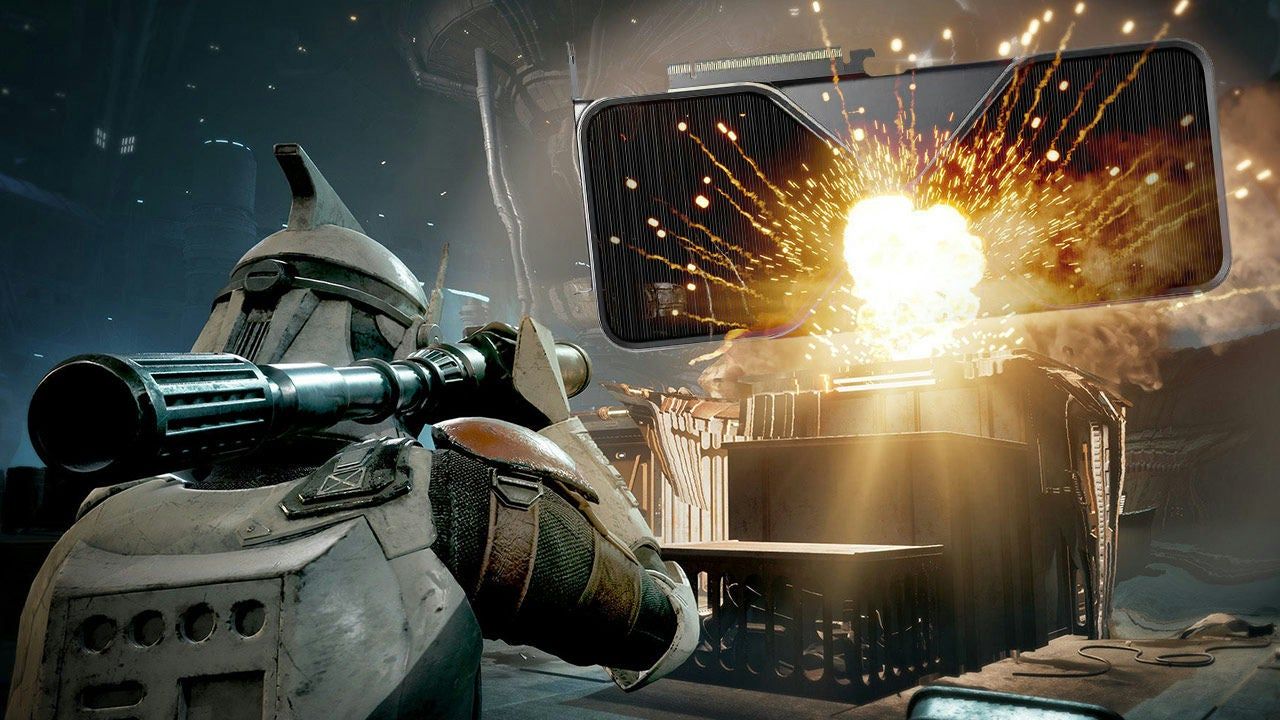
The current landscape of PC gaming has been a mixed bag this year, with many titles looking fantastic and running smoothly across various systems. However, some games present unique challenges, forcing players to navigate the technical hurdles that come with cutting-edge development.
One area that highlights these performance challenges is the use of Unreal Engine 5. While many AAA titles are successfully utilizing this powerful engine, a deeper dive into specific experiences with games built on UE5, such as Star Wars: Zero Company, reveals a more complex picture.
When testing the performance of these demanding titles, the results varied wildly depending on the hardware and operating system used. This variability is often the first source of frustration for players, as expected performance can be highly dependent on the machine.
For instance, testing Zero Company across different setups uncovered a spectrum of technical issues. On a high-end system featuring an AMD Ryzen 7 9850X3D processor, 32GB of RAM, and an RTX 5090, frame rates were generally playable, though even top-tier settings presented performance dips.
However, the real headaches often emerge when testing on more varied or less powerful hardware. On a laptop setup, even with powerful components like the Razer Blade 16, microstuttering and driver crashes were reported, especially during cutscenes.
Similarly, testing on handheld devices or smaller form factors, such as the Lenovo Legion Go 2, required significant compromises. Achieving a playable frame rate meant dropping resolution to 800p with the lowest settings, resulting in only 25–30fps, a compromise that some players are willing to accept for turn-based gameplay.
The game’s stability also proved to be an inconsistent factor. Frustratingly, several attempts to complete missions resulted in the system locking up, forcing hard restarts and causing the loss of progress. These crashes appeared inconsistently across different platforms, prompting speculation about the interplay between the game, the operating system, and the hardware.
Even when patches, such as the day-zero update from Bit Reactor, were released to address certain bugs, persistent issues like frame drops and occasional freezes continued to plague the experience. It underscores the ongoing work required to stabilize complex, open-world experiences.
Despite the technical trials, the underlying narrative of Zero Company remains compelling. The excitement generated by the prequel era of Star Wars keeps players invested, and there is a strong hope that developers will continue to refine the technical experience, ensuring that the promise of the game eventually matches its potential.
Buy on Amazon
Credit