
Xbox digital shift sparks fears over game preservation
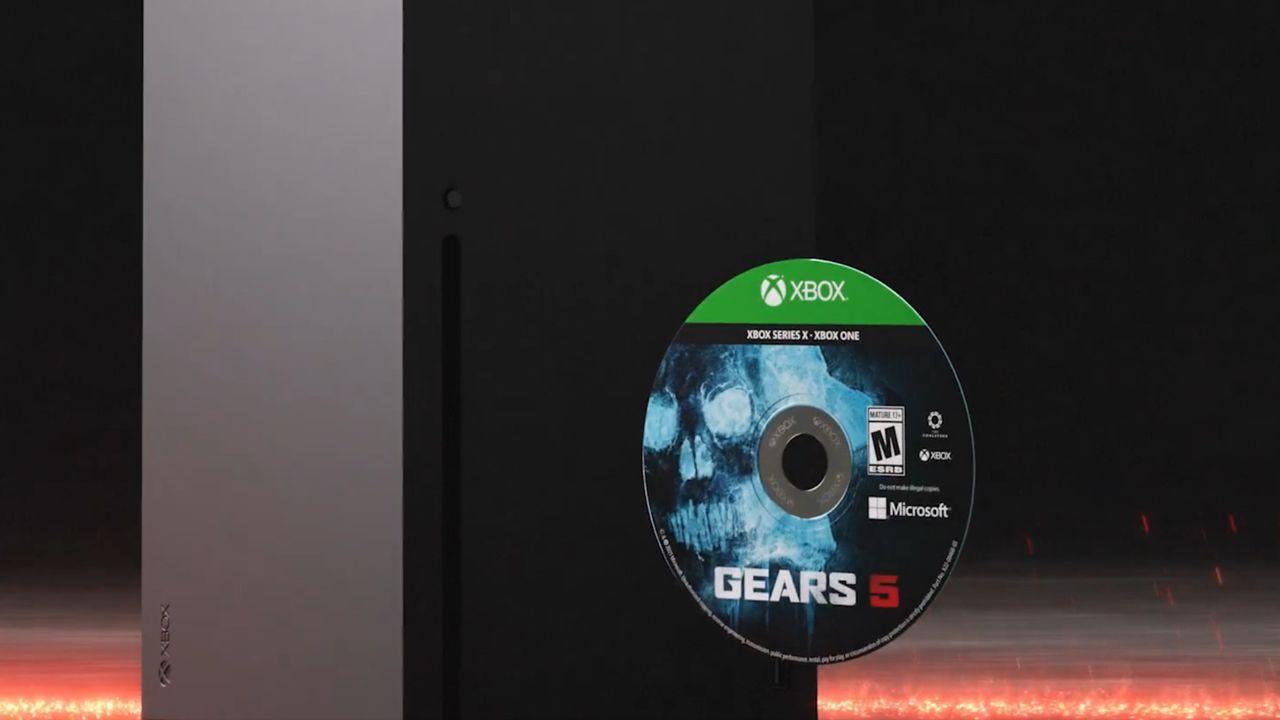
The future of game ownership is being rewritten, and it’s happening right on the physical shelf. Microsoft has unveiled an ambitious plan to bridge the gap between physical media and digital convenience, allowing players to transform their physical Xbox One and Xbox Series X/S discs into powerful digital entitlements.
This initiative promises a neat solution: insert a supported disc into a console and claim a digital entitlement. This immediately unlocks benefits like XBOX Play Anywhere and XBOX Cloud Gaming for that specific title, all while allowing the physical disc to continue functioning exactly as it always has. It’s a move designed to offer the convenience of digital access without abandoning the tangible nature of physical media.
The initial rollout phase is kicking off soon, with testing entering Xbox Insiders on August 31. While the exact timeline for a full public release remains under wraps, the publisher is aiming to begin with thousands of titles and expand from there.
On the surface, the concept sounds like a win-win. It satisfies the modern desire for digital flexibility while respecting the ownership rights tied to physical purchases. The entitlement is intrinsically linked to the disc, meaning that even after claiming the digital version, the physical disc itself retains its value, allowing owners to freely trade or resell it.
However, when you look beneath the glossy announcement, some important questions emerge about the true meaning of preservation and ownership. The decision raises deep philosophical points about how games are distributed and archived in the digital age.
The real tension lies in the scope of the plan. Microsoft announced support for “most” games at launch, leaving the fate of the entire library ambiguous. This vagueness leads many to wonder if the push for disc-to-digital is merely a step toward a broader, all-digital future, potentially tied to initiatives like Project Helix.
This brings up a crucial point regarding backward compatibility. For modern consoles to function smoothly, older titles often require explicit whitelisting from original publishers. If this disc-to-digital plan is implemented, how will it handle the complex licensing issues that have historically hampered efforts to digitize older games? The ability for obscure titles or games with complicated license holders to be digitized and preserved, rather than simply sidelined, is a major unknown.
While the sentiment of game preservation is commendable, the implementation suggests a choice. Will this be a genuine effort to preserve access for all owners, or is it simply another evolution toward a purely digital distribution model? Ultimately, for this transition to feel truly empowering, the focus must shift toward ensuring that digital owners receive the same rights and assurances as those who own the physical artifact itself.
Buy on Amazon
Credit