
Switch 2 cross-gen: How it beat Xbox and PS5 limits
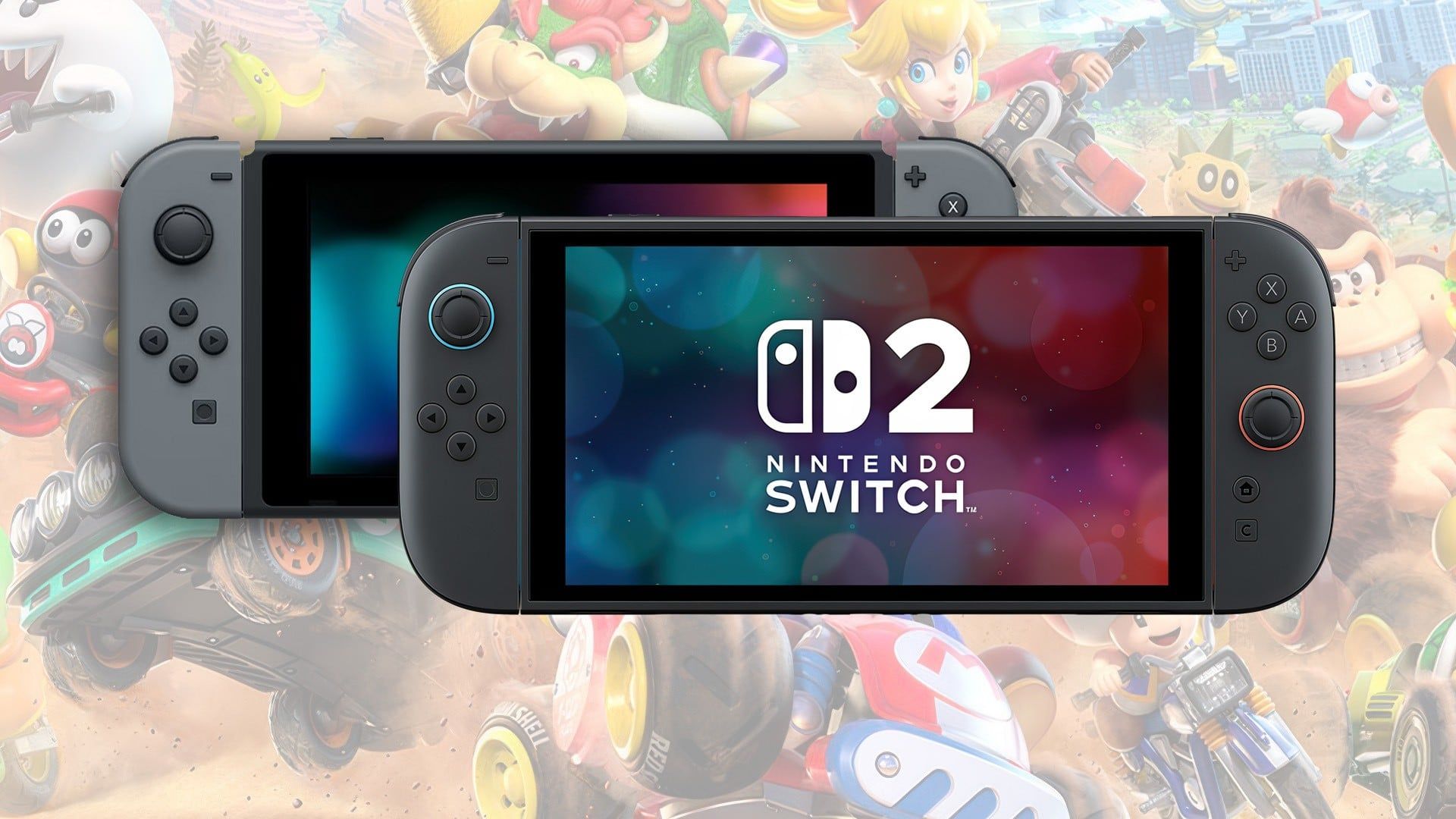
The console wars are defined by massive hardware shifts, but the way developers choose their next destination tells a fascinating story about business strategy and creative commitment. While the PlayStation 5 and Xbox Series consoles spent years navigating the complex territory of cross-generation support, a stark contrast emerged with Nintendo’s approach to the next generation of gaming hardware.
Consider the shift from the previous generation, and the decision to fully commit to the new platform. For the PlayStation and Xbox families, the strategy involved balancing the established installed base. Studios often found themselves in a delicate position, deciding whether to invest heavily in a new platform or manage the legacy of older, highly engaged player communities.
However, the narrative surrounding the Nintendo Switch and its successor, the Switch 2, offers a different perspective. While competitors wrestled with the logistics of transition, the path for Switch development seemed laser-focused from the start. The decision to quickly shut down development taps for the previous generation was clear, allowing full-fat production on the new system to commence rapidly.
This rapid commitment suggests a philosophy rooted in singular vision. It implies that the goal wasn’t to maintain a bridge between generations, but rather to establish a clean, dedicated future for the new hardware and its unique design ethos.
The question then becomes: why does this strategy hold such weight? It speaks to the unique market position Nintendo occupies—a platform that thrives on innovation, unique gameplay mechanics, and an established, dedicated fanbase. For a company whose brand is synonymous with playful, unique experiences, the priority might be less about maximizing cross-generational compatibility and more about maximizing the impact of a unified, cohesive future.
Ultimately, the evolution of console development is less about technical transition and more about creative commitment. The story of how platforms embrace or resist the cycle of change highlights the diverse strategic choices available to creators, proving that the path to the next generation is often dictated not just by hardware capabilities, but by the unwavering vision of the studio behind the game.
Buy on Amazon
Credit