
The Underrated Thrill of Riddick’s Escape from Butcher Bay
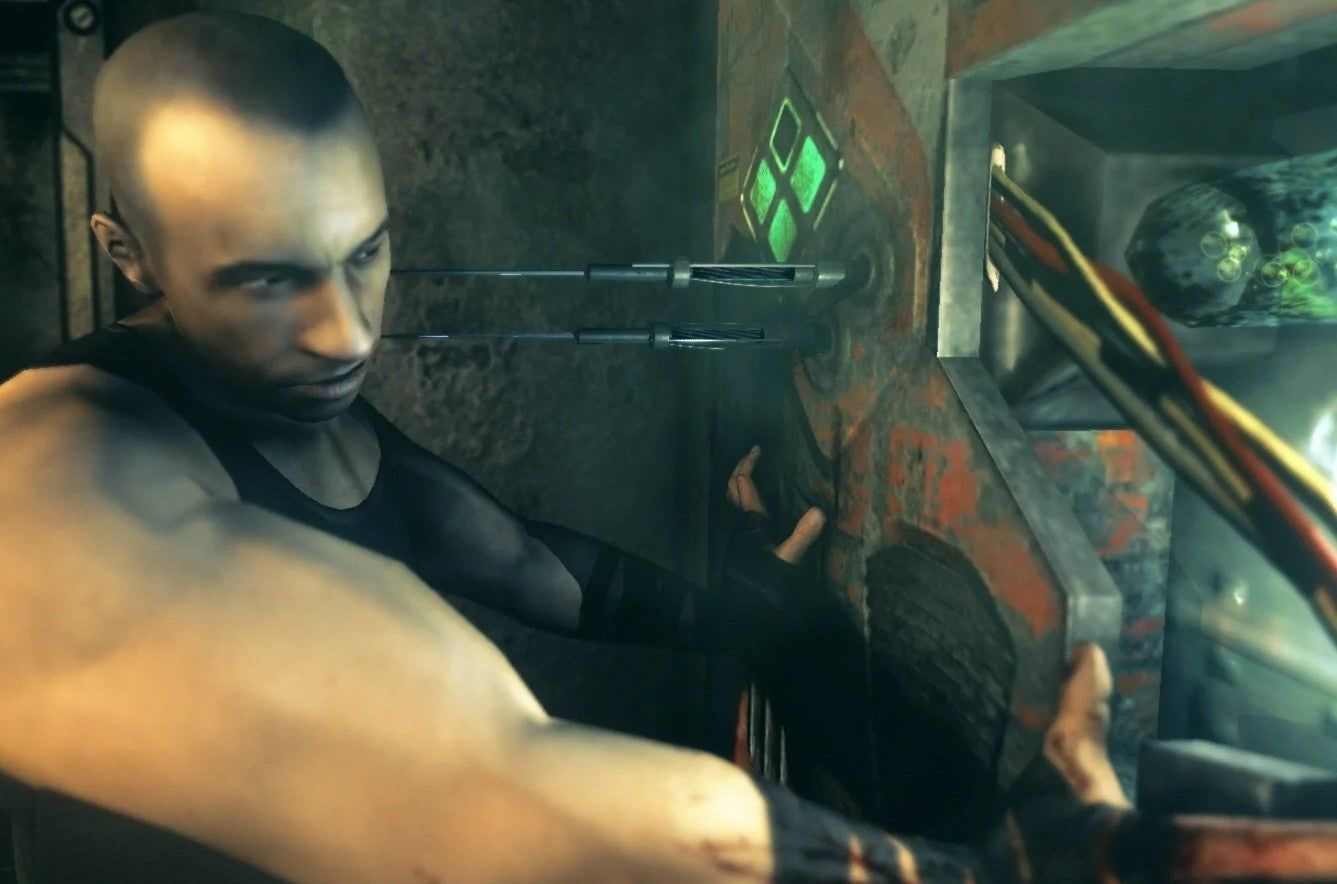
When you step into the world of gaming history, sometimes the greatest revelations come from the simplest moments. For those who spent years immersed in the Xbox landscape, memories often crystallize around the very first experiences—the screens, the demos, and the games that shifted the direction of the industry.
One such memory involves the demo station at Official Xbox Magazine. It wasn’t just a workspace; it was an experience. There sat a behemoth 36-inch CRT television, capable of displaying 480p resolution without interlacing, offering a crisp image for all the developers who came to show off their work. It was in that environment, watching a licensed title like The Chronicles of Riddick: Escape From Butcher Bay, that a seismic shift occurred.
Initially, the focus was on the game itself, but the real eye-opener was the game’s front-end menu screen. What struck the team wasn’t just the visuals, but the way the 3D cube handled light and shadow. It displayed a normal-mapped 3D cube—a graphics technique that was still a relative novelty on consoles at the time. The Xbox was fully capable of handling this advanced rendering, setting a new benchmark for what games could achieve.
Beyond the cutting-edge graphics, the game delivered a package that was truly exceptional. Escape from Butcher Bay was more than just a licensed property; it was a complete experience. It blended intense first-person shooting, a stealth system based on the anti-hero’s “eye shine,” atmospheric horror elements, and deep RPG-like dialogue with myriad NPCs. The combination of stunning visuals, rich audio, and compelling storytelling made it an undeniable success.
This success cracked open a long-standing industry myth: the idea that games based on licensed properties were destined to be mediocre cash grabs. For years, the expectation was that publishers would sacrifice quality for the sake of cheap, licensed content. However, titles like Riddick proved that when developers were given the talent and resources, they could transcend that expectation.
The impact of this shift is still felt today. Games like Riddick and later titles such as Batman: Arkham Asylum demonstrated to publishers that investing in top-tier talent could yield far greater returns than simply chasing easy licensing deals. This provided a powerful example that quality and innovation were not mutually exclusive, reshaping how licensed properties are approached across the gaming industry.
The involvement of figures like Vin Diesel, who lent his experience through his development team, further underscored this point, ensuring that the narrative of the licensed character was treated with respect and depth. While some might argue that Escape from Butcher Bay remains criminally underrated, its foundation was solid, marking a moment when licensed games moved from being an afterthought to a genuine contender for greatness.
Buy on Amazon
Credit