Troy’s fall filmed without a green screen
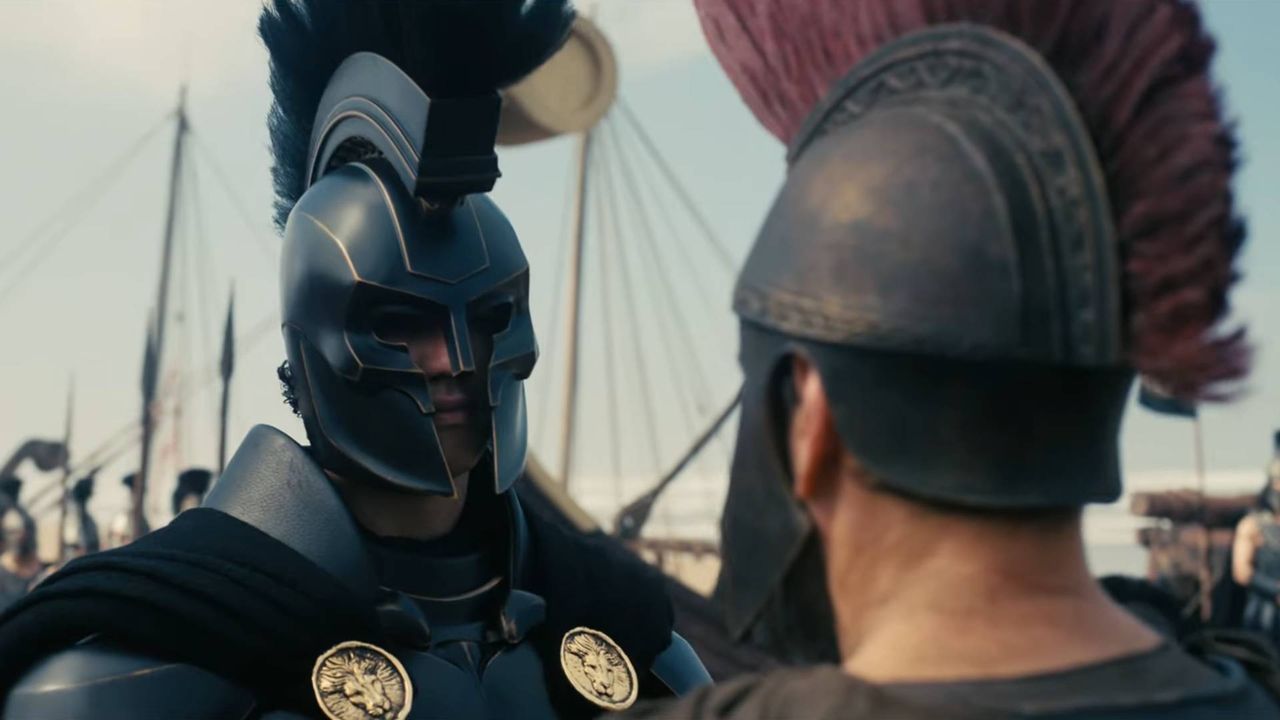
When Christopher Nolan tackles the timeless epic of The Odyssey, the spectacle is undeniable. It’s not just a cinematic journey; it’s a masterclass in ancient warfare and practical filmmaking, proving that true magic often lies in meticulous construction rather than digital wizardry.
The scope of the original myth—the Trojan War—is immense, involving legendary feats and armies numbering in the thousands. To recreate such monumental events, one might assume modern cinema would rely heavily on digital effects. However, Nolan decided to bypass the typical reliance on CGI or green screens entirely, opting instead for a breathtaking commitment to physical scale.
The real genius of the production lay in building the fictional city of Troy itself. Instead of digitally layering armies, the team worked with hundreds of extras on set to construct the very landscape and the chaotic siege we see on screen. This approach brought the mythical conflict into stark, tangible reality, giving the audience a visceral understanding of the scale Odysseus navigated.
The meticulous recreation of events like the Laestrygonian attack and the fall of Troy demonstrated that epic storytelling doesn’t require heavy digital intervention. It demands a deep understanding of history and an unwavering focus on physical performance and set design, allowing the raw power of the human drama to shine through.
The experience of creating this scale was palpable even for the actors involved. Matt Damon, who plays Odysseus, recounted the sheer surprise of the numbers on set when filming a pivotal moment inside Troy. He described the chaos and the impact of seeing thousands of people interacting with the scene, underscoring how physically demanding—and creatively rewarding—it was to capture such historical heft without digital shortcuts.
This focus on authenticity bleeds into the narrative core of the film. While The Odyssey masterfully uses the backdrop of the Trojan War to illuminate Odysseus’s tumultuous journey home. The conflicts and events witnessed in Troy serve not merely as a historical setting but as a profound catalyst for Odysseus’s personal arc, forcing him to confront the guilt associated with his own actions.
By focusing on the physical reality of the conflict rather than purely digital effects, Nolan achieved something far greater: he gave the ancient epic a powerful, grounded feeling. The film stands as a testament to how cinematic scale can be achieved through sheer artistry and collaboration, making the fall of Troy feel less like an event and more like a lived, unforgettable experience.
Buy on Amazon
Credit