
Valve’s Deadlock is a monster in the making
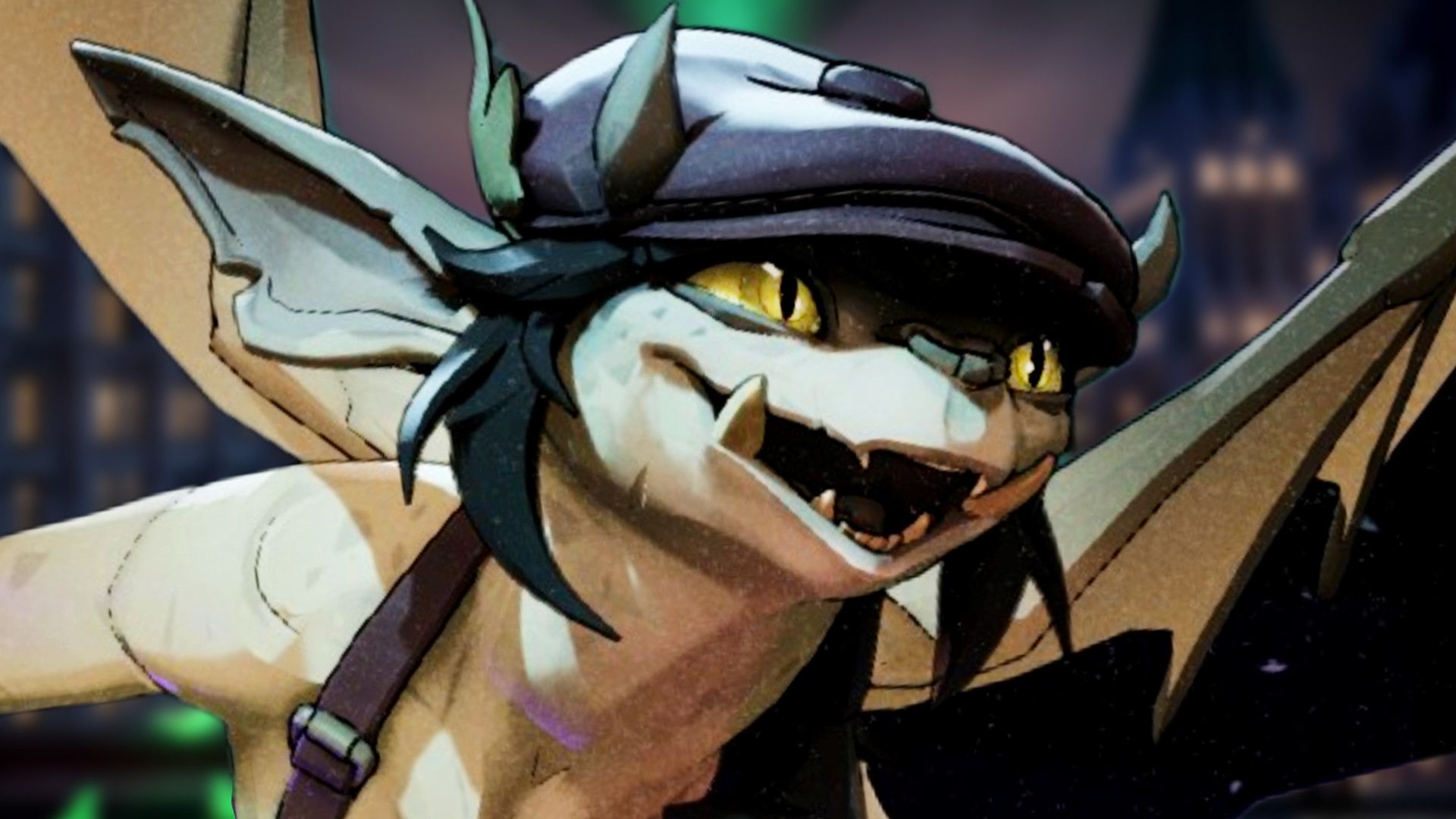
The Steam store is usually a window into the world of game development, showcasing titles ready for purchase. Yet, when you navigate to the page for Deadlock, you encounter a curious paradox: a game that Valve officially states has not yet been released, juxtaposed against staggering player statistics.
While official notices suggest the title is still in development limbo, the actual metrics on Steam paint an entirely different picture. The numbers tell a vibrant story of community engagement far beyond what a pre-release teaser might suggest. Regular daily highs for Deadlock have consistently reached 75,000 players, and the game has even achieved an all-time peak of over 171,000 active users.
These figures are undeniably impressive. To see such massive engagement with a product that is technically not yet publicly available raises fascinating questions about how these communities form and interact with games in the early stages of development. It suggests that the interest generated by Deadlock is far outpacing the typical release cycle.
What exactly is fueling this intense, real-time activity? The answer lies in Valve’s latest moves. This phenomenon points to an innovative approach by the developers that allows players to dive deep into a game before its official launch—a strategy that blurs the line between anticipation and participation.
Valve’s decision to utilize their new framework has unlocked this massive player base, creating a dynamic environment where anticipation transforms directly into active gameplay. Deadlock is no longer just a game waiting to happen; it is an evolving digital space populated by thousands of dedicated players who are actively shaping the experience.
This situation highlights the power of community-driven development and how modern platforms can foster engagement regardless of a title’s official release date. The numbers don’t just reflect interest; they demonstrate a thriving, self-sustaining gaming ecosystem built on shared anticipation and shared discovery.
Buy on Amazon
Credit