
Visual Battle CoD Ports Beat Halo Campaign Evolved
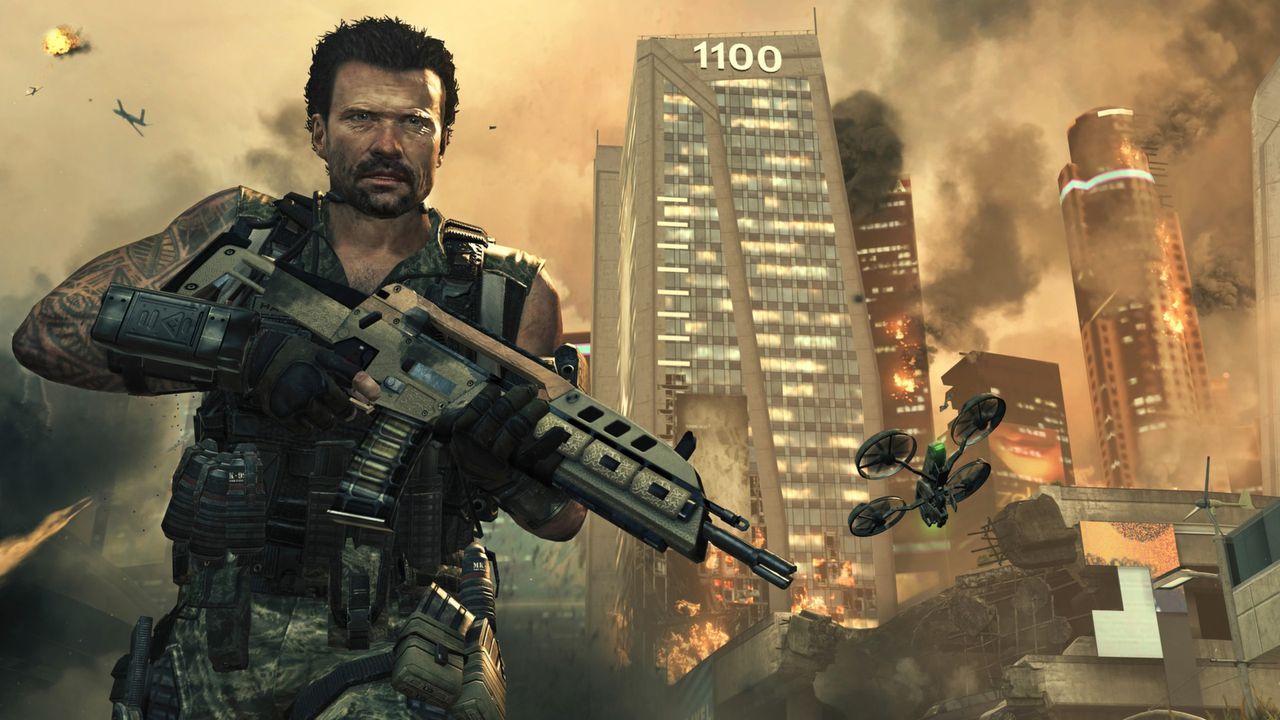
In the highly competitive world of console gaming, not all ports are created equal. When looking at PlayStation sales estimates for July, a stark contrast emerged between beloved classic franchises and modern action shooters: Call of Duty’s Black Ops titles dramatically outperformed Halo’s Campaign Evolved.
Market analysts have pointed to some striking figures that highlight this disparity. Estimates suggest that the ports of Call of Duty: Black Ops and Black Ops 2 dominated the charts, with Black Ops 2 estimated to have sold an impressive 8.2 million copies. This made it the highest-selling game of the month, while Black Ops 1 followed closely behind with an estimate of 3 million sales.
In contrast, Halo: Campaign Evolved saw a significantly slower start on PlayStation, estimated at only around 351,000 copies sold during the same period. The gap between these two sets of numbers is not just statistical; it tells a fascinating story about player appetite and market timing.
This divergence sparked discussion among analysts regarding the factors driving consumer choices. One key takeaway involves not just the quality of the game, but how it was positioned in the market. The success of the Call of Duty ports seems to hinge on a perfect blend of proven legacy and strategic pricing.
Analysts suggest that when a beloved, established title is dropped at the right moment and the right price point, it can easily outperform newer releases. This principle applies powerfully to classic games like Halo; despite being a proven, adored franchise, its sales trajectory has lagged compared to previous iterations.
The cost factor proved particularly illuminating. While the Call of Duty ports involved a significant investment, they were packaged effectively—often with limited-time discounts—making them highly accessible to subscribers and players alike. The analyst noted that for what was essentially a graphical touch-up of a 2001 game, pricing it right was essential to ensuring market success.
This contrasts sharply with the reception of Halo. Even with nostalgia playing a role, there was a clear disconnect between the perceived value and the actual sales volume on the platform. The analysis suggests that while players value legacy titles, the timing, delivery, and price tag ultimately determine whether a game can capture the market’s attention.
Ultimately, the data suggests that in the competitive landscape of console gaming, success is not solely determined by the inherent quality of the game itself. It is a complex equation involving nostalgia, timely releases, and astute business decisions about value.
Buy on Amazon
Credit