
Wardogs: The Visual Lesson of Team Greed
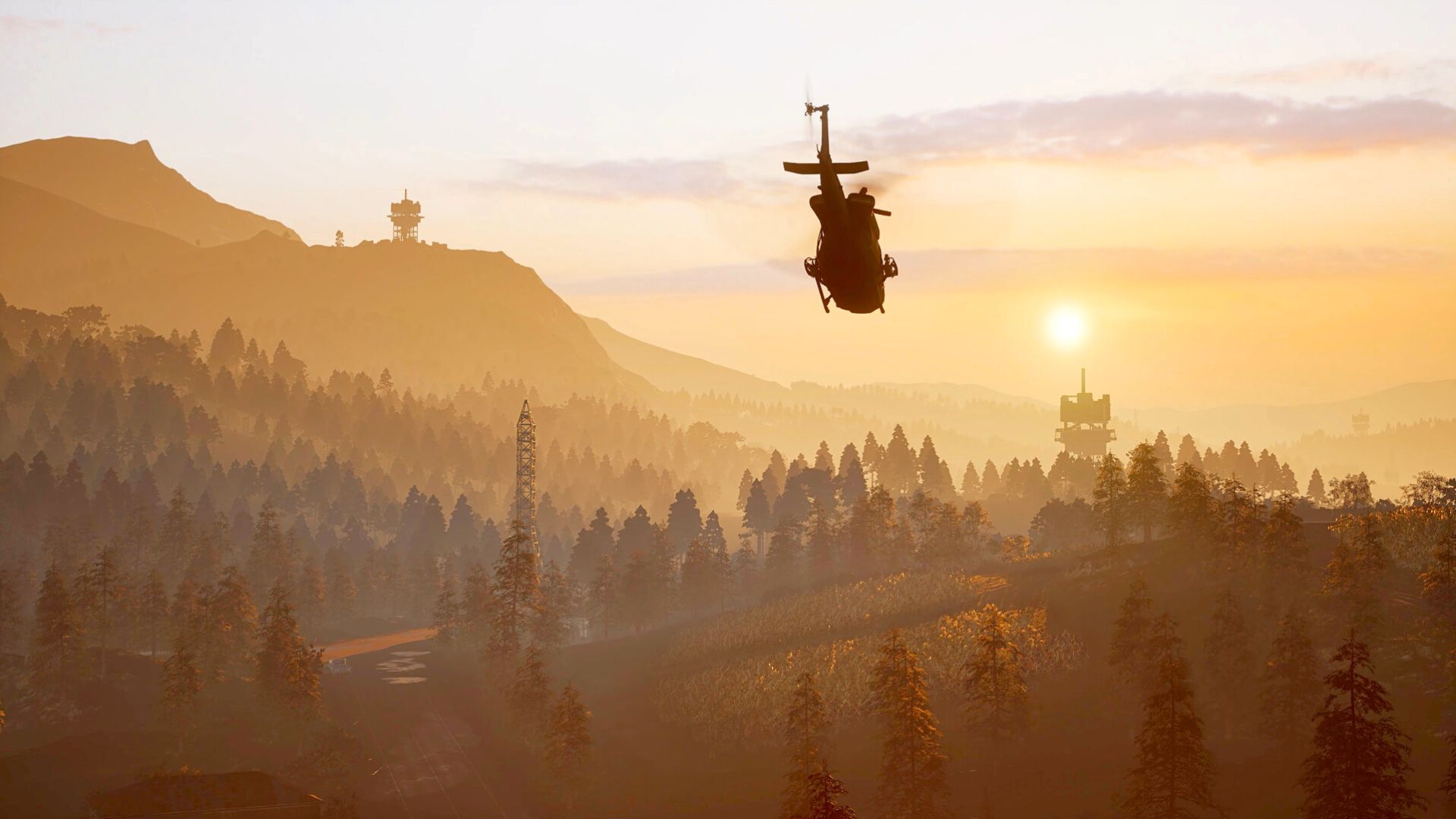
The gap between a simple concept and the brutal reality of competitive gaming is vast, and that realization often hits you with the force of a bullet. It starts with the chase, the strategy, and the sheer audacity of the environment.
For many newcomers, the appeal of First-Person Shooter games lies in their perceived simplicity: half Battlefield scale, half ARMA complexity, and a touch of King of the Hill chaos. On paper, it seems like a straightforward formula for conflict—move, aim, survive. It is an invitation to explore a world defined by tactical movement and immediate decision-making.
But stepping into that digital arena quickly reveals that simplicity is merely the starting line; the actual experience is a dizzying cascade of unpredictable physics, unforgiving mechanics, and split-second human error. The moment you realize that travelling several kilometers across a map isn’t just about distance but a deadly exposure to an enemy’s sightline, the game transforms from a simple exercise into a visceral test of nerve.
The true story of an FPS lies not in the graphical fidelity or the maps themselves, but in the psychological toll of that environment. It is the feeling of being utterly exposed, where every kilometer covered and every tactical decision carries immediate life-or-death weight. The initial confusion—the realization that the rules of engagement are far more complex than they appear—is often the first lesson learned.
This journey forces a shift in perspective. You stop seeing the game as just a set of tools and start viewing it as a living, breathing, and often cruel simulation. It is an experience built on tension, adrenaline, and the sharp, undeniable knowledge that victory is not guaranteed, only earned through relentless skill and luck. The full depth of this digital landscape demands more than just casual play; it demands a complete surrender to the chaos.
Buy on Amazon
Credit