
$1M earned in 4 months: Devs hit Valve’s chocolate tier
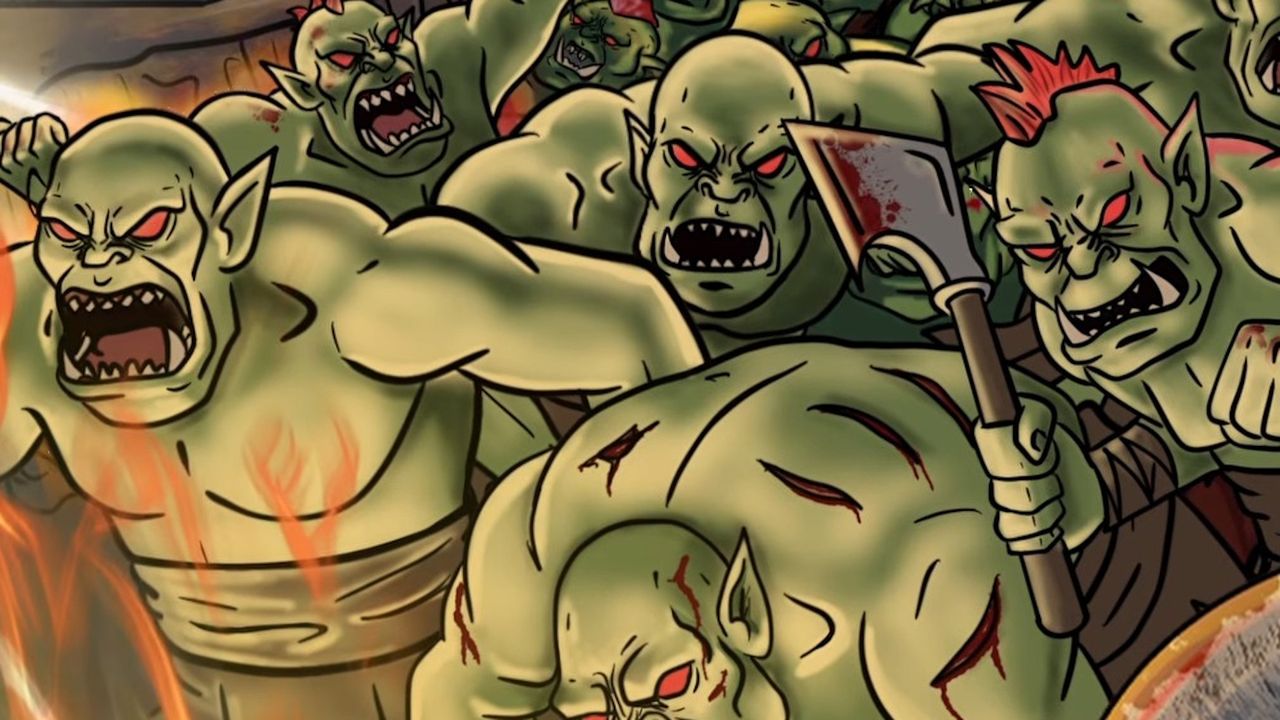
How a Small German Team Turned Orcs into Millions on Steam
In the world of indie game development, sometimes the most complex strategies involve simple goals and killer mechanics. That’s exactly how the small German team behind Sir, We Have an Orc Problem achieved spectacular financial success, proving that sometimes, all you need is a solid concept and the Steam engine.
After an explosive launch, the game has officially become Steam millionaires. The initial momentum was staggering: in just twenty-four hours, the game generated $360,000 in revenue. After exactly one week, this gross revenue climbed to $1,053,927, netting the developers a highly enviable $898,460 after removing taxes and refunds.
Making such a windfall wasn’t instantaneous. The team dedicated four months of focused effort to bringing their orc-obliterating strategy game to life. This success story highlights how incredibly valuable a successful product can be, even when created by a small group of experienced developers.
Beyond the impressive sales figures, the longevity of the game speaks to its core quality. With over 2,100 Steam reviews averaging an 86% positive rating, players clearly enjoyed the experience. The data shows that the median player commits over five hours and twenty minutes to the game, suggesting it offers plenty of depth for satisfying playtime.
Despite the massive sales, the developers remain committed to growth. In a recent update, the team acknowledged some areas for improvement, with one developer admitting that while they appreciate the feedback, the art “kinda looks bad to be honest,” hoping for future visual enhancements.
This success also offers a fascinating look at the relationship between Steam sales and community engagement. While Sir, We Have an Orc Problem has sold over 128,000 copies, the review-to-sales ratio is notably high—averaging about one review for every sixty units sold. This metric often reveals that true engagement lives within the community rather than just raw transaction numbers.
For small teams on Steam, hitting significant revenue milestones is more than just a financial victory; it unlocks a tangible recognition within the platform. As experts note, reaching certain annual revenue levels qualifies developers for perks, like Valve’s annual chocolate gifts. Crossing the $2 million threshold reportedly upgrades this recognition to a more substantial gesture.
Looking ahead, with plenty of time remaining in 2026, there is real potential for “real Steam” to keep the game ticking over. The platform is clearly an engine that turns magic into money, offering a promising path for these creators to continue their journey on the digital frontier.
Buy on Amazon
Credit