
GTA 2 Action Legacy Review
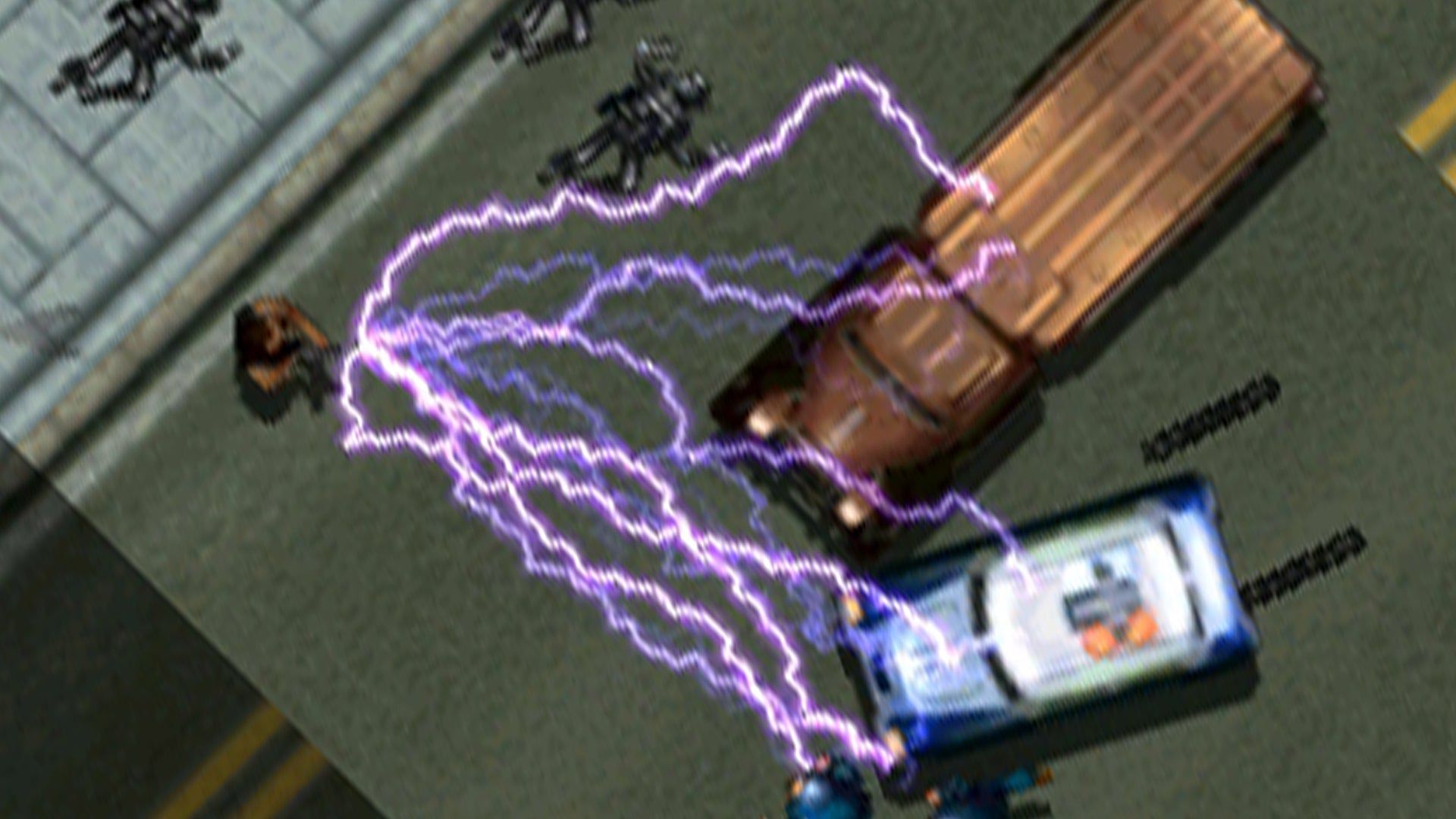
As we look toward the arrival of Grand Theft Auto 6, it’s time to pause and appreciate the incredible legacy built by the franchise’s foundational titles. Instead of offering typical score-based re-reviews, I plan to dive deep into what made each classic GTA game remarkable upon release, exploring their lasting impact and rediscovering how much fun they still offer today.
This journey requires re-examining not just the gameplay mechanics, but the identity and evolution of the world itself. We will be dissecting which elements of the GTA experience have matured and grown, and which aspects remain timelessly impressive, setting the stage for a deeper appreciation of this iconic series.
Next up in our retrospective is Grand Theft Auto 2, a game that arrived at the tail end of the 20th century and attempted to refine the established brand of top-down turmoil. In many ways, it was a noticeable refinement of its predecessor, offering slight improvements like the ability to save progress and smoother driving physics.
However, GTA 2 immediately faced an identity crisis. While it introduced a new setting—the stylized, retro-futuristic backdrop of Anywhere City, USA—it clashed heavily with its own presentation, including its box art and introductory material, which referenced the contemporary 1990s setting. This jarring shift meant that for some players, taking a long pause to experience the game in 1999 felt like an unrelated product entirely.
Despite this initial confusion, the functional improvements were significant. The addition of a save function was a major step forward, providing a sense of progression that the original lacked. Furthermore, the introduction of a health bar provided a much-needed mitigation for frustration, moving away from the punishing death-or-glory philosophy of the first game.
The mechanical refinements extended to controls as well. The tank-like on-foot controls were undeniably cumbersome in both titles, but GTA 2 introduced significantly smoother camera work and improved vehicle handling. Cars learned to self-straighten when cruising along streets, making lane changes less infuriatingly reliant on frantic d-pad tapping.
The world of Anywhere City also saw subtle but important changes. While the setting was distinct from Liberty City or San Andreas, it successfully fostered a feeling of an omnipresent, dangerous environment teeming with gang members and lawlessness. The map design itself offered a different experience than the original’s three core districts.
In terms of vehicular realism, GTA 2 introduced more variety—over sixty distinct vehicles—though many still felt like caricatures rather than faithful representations of real-world cars. This preference for realistic automotive aesthetics remains a point of distinction between the two games.
Looking further back at the history of driving games, GTA 2 arrived just as the industry was embracing 3D action-driving classics. Prior titles like Driver had rapidly established the expectation for immersive open-world experiences, leading to a new wave of game development that fundamentally changed how players interact with cars in games.
Ultimately, while GTA 2 delivered technical and mechanical improvements—better driving and shooting—the decision regarding its retro-futuristic aesthetic remains a divisive element. It offered functional advancements but didn’t fully capture the heart of the older classics for those who prefer the timeless charm of earlier iterations.
Buy on Amazon
Credit