
GTA fuels console growth and drops hardware costs
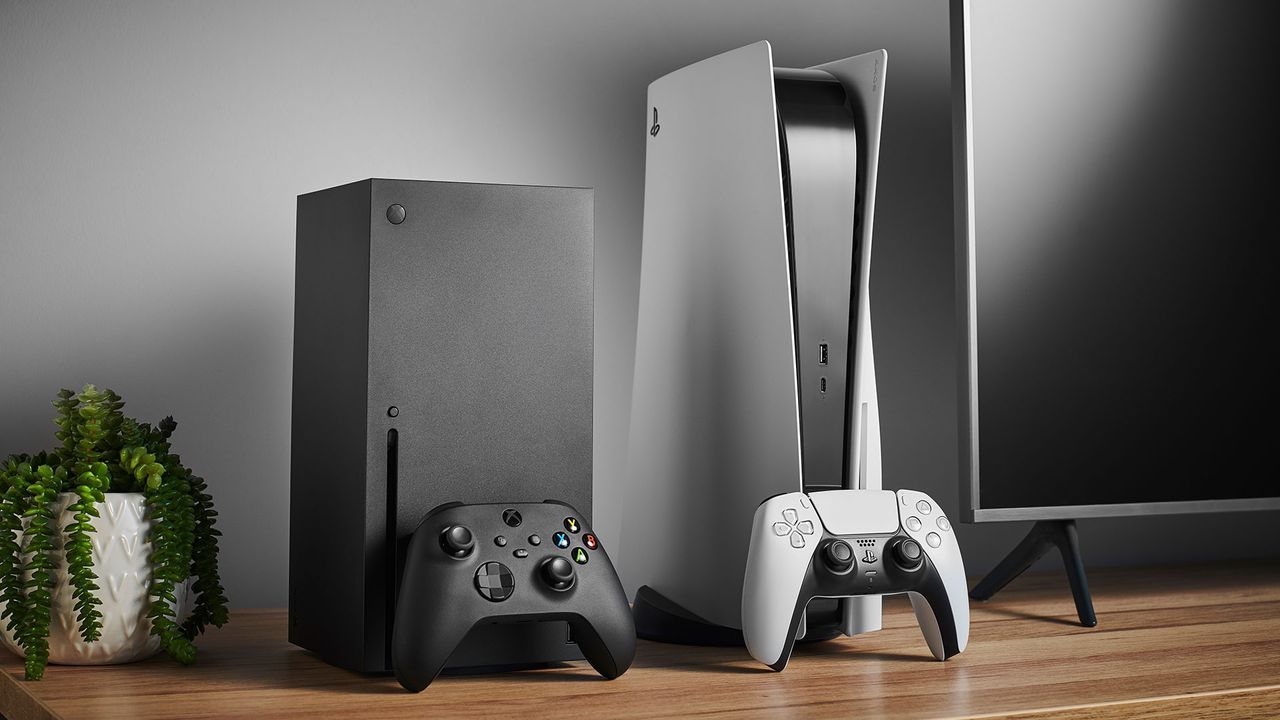
The Cost of Play: Why Gaming Hardware is Facing a Headwind
Despite the vibrant, ever-evolving world of gaming, the foundations of the industry are currently facing significant economic turbulence. The cost to build cutting-edge gaming hardware is escalating, driven by persistent supply chain issues like RAM shortages and the ongoing effects of global trade tensions. Yet, amidst these headwinds, industry leaders are arguing that current struggles are temporary, pointing toward a future filled with unprecedented game innovation.
This financial squeeze is keenly felt by console manufacturers, who are grappling with component shortages amplified by the demands of growing AI data centers and the general surge in memory-hungry devices. These supply chain pressures, compounded by various tariffs, have inevitably trickled down to the consumer, leading to considerable price increases for console entertainment.
The shift in strategy is already underway. For instance, Sony has signaled a move away from traditional media, planning to halt the production of physical game discs in 2028, embracing a digital-only future for the new console generation. This move reflects the broader industry pivot toward more efficient and flexible distribution models.
But what about the long-term outlook? Matthew Bromberg, CEO of Unity Technologies, suggests that the current cost pressures are a temporary phase. While the market dynamics are challenging, he believes the core platform remains incredibly vibrant, fueling an optimistic vision for what comes next.
Bromberg insists that the lack of new consumer demographics replacing the aging console base does not negate the platform’s strength. Instead, he sees a powerful trajectory where increased cost pressures will eventually subside as the industry focuses on creating truly compelling experiences.
“It’s been a difficult time for console hardware, which is under genuine cost pressure,” Bromberg notes. He emphasizes that this current situation is wacky and unprecedented, noting that the idea that things get more expensive is the upside-down of how the market usually operates.
He calls for a shift in perspective, urging observers to look beyond the immediate financial hurdles and anticipate a renaissance in game quality. Bromberg believes that the next ten years will deliver games that dwarf current offerings, promising levels of engagement and persuasion we are only just beginning to scratch the surface of.
The real excitement lies in the potential for future experiences. If the next generation of hardware, such as the PS6 or Xbox Project Helix, are priced significantly higher—perhaps even reaching a thousand dollars at launch—it underscores the massive potential for graphical and interactive leaps ahead.
This potential is the ultimate motivator. Bromberg’s hopeful prediction is that the industry will produce more engaging, intense, and immersive games over the coming decade. He encourages anticipation, suggesting that the best years for the gaming business are still ahead, promising a revolution in interactive entertainment that will make today’s titles pale in comparison.
Buy on Amazon
Credit