
Microsoft drops 32GB RAM recommendation for gaming laptops
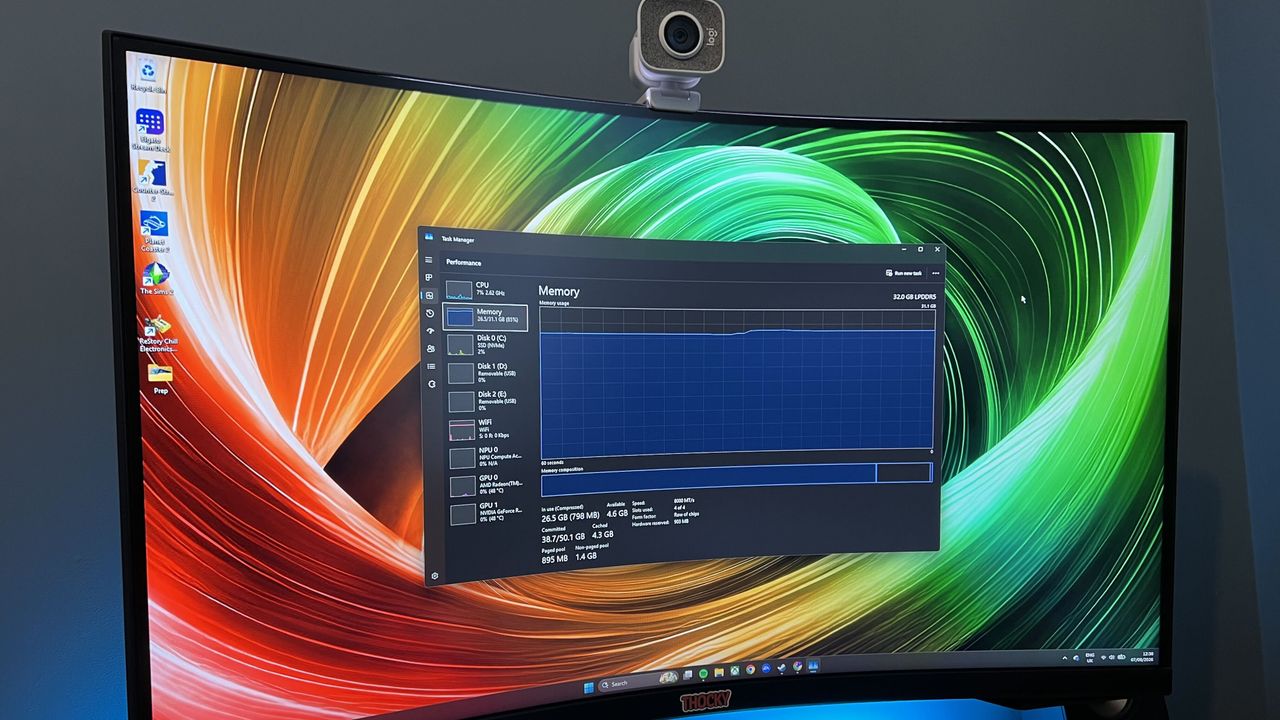
The Great Memory Shift: Why Gaming Laptops Are Trading High RAM for Low Prices
The world of high-end gaming laptops is currently undergoing a quiet, yet significant, realignment. As supply chain pressures continue to tighten, manufacturers are leaning heavily into lower-specification configurations, and in an unexpected move, even major tech players are adjusting their recommendations. Microsoft, for instance, has quietly stepped away from recommending 32GB of RAM for demanding PC gamers, signaling a broader shift in how we approach system memory.
This subtle change isn’t just about documentation; it reflects a much larger economic reality. While the pursuit of high-end configurations once meant pushing for maximum memory, current market conditions are forcing a strategic pivot toward value. This trend is playing out across the board, pushing lower-memory options into mainstream gaming laptops and productivity devices alike.
The immediate effect is visible in the retail landscape. We are seeing an influx of machines featuring only 8GB of RAM at prices that make them incredibly appealing—sometimes as low as $745. This is where the tension lies: convenience and cost versus actual performance.
While some models, like the HP Victus, manage to offer a respectable 16GB of memory while staying within a competitive sub-$1,000 range, the presence of 8GB configurations means that these budget machines will struggle when running modern, demanding titles. For serious gaming, the demand placed on your system doesn’t simply disappear because the RAM has been removed; it just forces you to find other trade-offs.
PC gaming has become an expensive pursuit, driven by soaring costs for both memory and storage components. This market pressure has incentivized brands to slim down their hardware offerings. They are wheeling out 8GB configurations in lower-end models—think the MSI Thin A15 or the Asus TUF range—to keep prices competitive. The argument is simple: if you can offer a system that functions adequately at a lower price, it wins.
But here is where the memory battle becomes critical. Running modern games smoothly, especially those involving complex strategy titles or massive mod libraries, requires more than just basic operational capacity. While cutting corners on a GPU generation or dropping a CPU might save you cash, sacrificing RAM is often a trade-off that doesn’t pay off in the long run.
The truth is, when memory becomes the bottleneck, it’s not a sacrifice worth making. For future-proofing your investment and ensuring you can tackle the latest titles without constant performance compromises, aiming for at least 16GB of RAM is the sensible middle ground. For those pushing the absolute limits—those targeting next-generation GPUs like the RTX 5070 Ti and above—32GB remains the sweet spot for a truly future-proof system.
Microsoft’s silence on the 32GB recommendation feels shifty, yet its original advice remains sound. Big spenders should still aim high, but savvy buyers must exercise caution when chasing cheap deals. Always double-check that any laptop you consider has sufficient memory to handle your gaming library, or you might find yourself paying for a machine that simply can’t deliver the experience you crave.
Buy on Amazon
Credit