
PS5 memory crisis timing is ‘lucky’ for sales
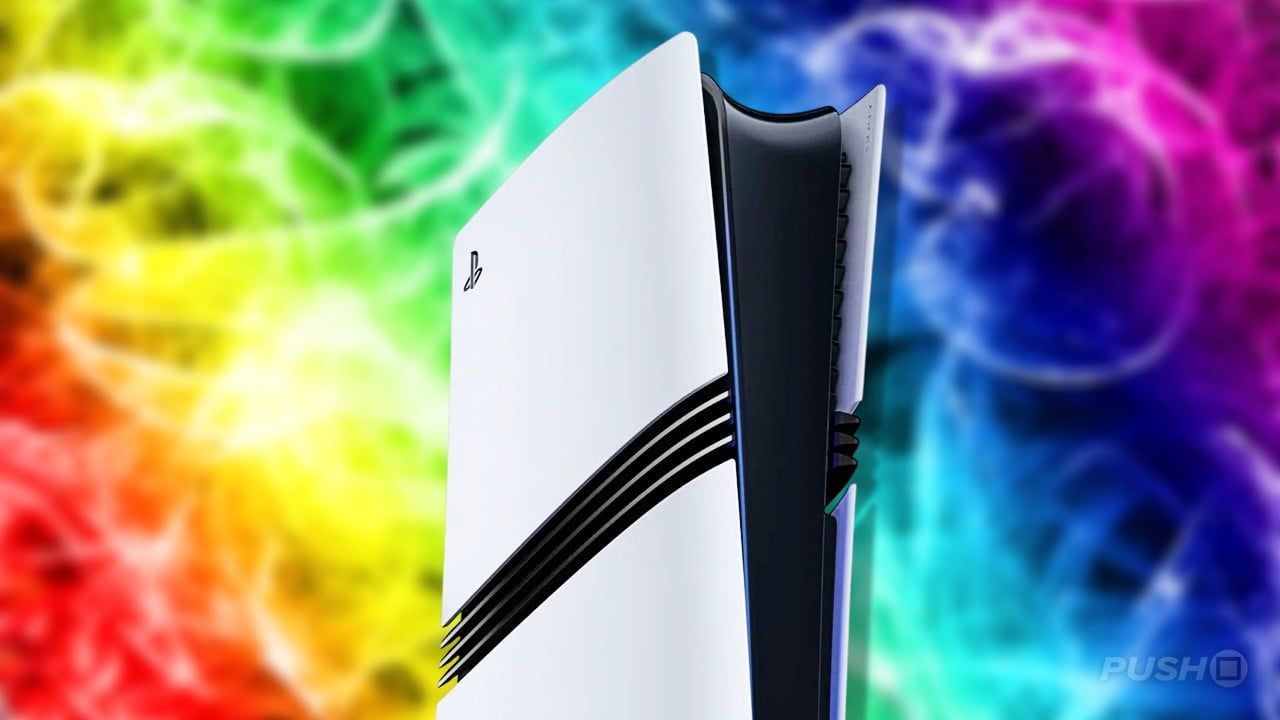
The timing for a major console launch is always a delicate balancing act, but for Sony, the PlayStation 5 arrived at a moment that proved to be exceptionally fortuitous.
The hardware industry has been grappling with a severe memory shortage, leading to spiralling component prices that have thrown several manufacturers into strategic turmoil. Amid this global component crisis, the PS5’s journey to market provides a fascinating case study in timing and market strategy.
When asked about this backdrop during an interview with the Wall Street Journal, Sony CEO Hiroki Totoki touched upon the broader philosophy guiding the company’s shift from traditional electronics into the realm of entertainment. He underscored a core principle: “Monetising users is quite important for us.”
This emphasis on user monetization suggests a focus not just on hardware sales, but on maximizing the long-term value derived from the platform and its ecosystem.
The central question raised by analysts, however, was whether the rising component costs were a blessing or a curse for a console that had already achieved massive success, having sold over 95 million units. It raises the intriguing paradox of massive market penetration colliding with economic volatility.
For Sony, navigating the current economic landscape meant ensuring that the demand for the PlayStation 5 remained robust, even as the supply chain faced unprecedented strain. The narrative shifts from simple sales figures to a sophisticated understanding of how to manage high-value products in a challenging environment.
The story of the PS5 thus becomes a compelling illustration of how strategic vision, combined with an understanding of external market forces, can turn potential logistical headaches into a strategic advantage, proving that sometimes, the most successful launches are those timed perfectly with global shifts.
Buy on Amazon
Credit