
RDR multiplayer bugs lead dev suspects Rockstar was hacked
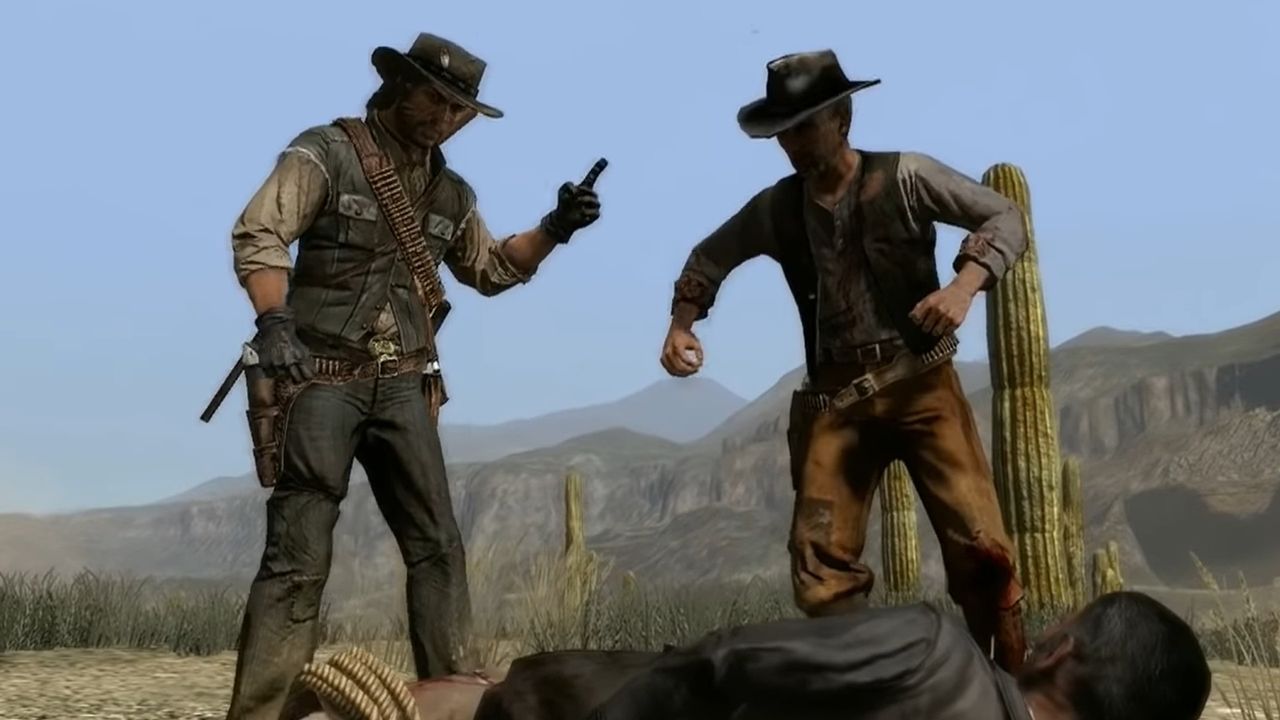
The journey to perfecting an open-world epic is rarely smooth. For Kris Roberts, the lead multiplayer designer on Red Dead Redemption, the launch period was a crucible—a demanding mix of sleepless nights and mounting frustration. While the game was gearing up for release, the pre-launch crunch put Roberts in an “amnesiac state” of sleep deprivation, simmering irritations with his bosses at Rockstar.
Just when the team thought they had earned a reprieve, external pressures intervened. Roberts was called for jury duty, and simultaneously, the promise of a flawless multiplayer experience was shattered when the game launched, revealing catastrophic bugs. Hope for a restful night was instantly replaced by cold panic: the multiplayer functionality was absolutely broken.
The realization that the game was broken led to a deep dive into the code, but the real challenge wasn’t just fixing the glitches; it was understanding what had broken the game’s fundamental structure. Roberts and the team discovered that there was a hidden system causing instability, particularly around competitive play. They uncovered that special assets, like resource-heavy money bags, were existing in free roam spaces in a way that corrupted the game’s resource logic.
Roberts recalls spotting these anomalies during testing, noticing bags of gold sitting where they absolutely should not be in the free roam environment. This led to the critical clue: the resource drain was the root of the problem. The initial mystery was complex, but the developers were able to pinpoint the issue: these assets were effectively soaking up resources, preventing the game’s scripting and logic from functioning as intended.
The path to resolution involved a brilliant workaround. Programmer Jeremy Tudisco stepped in and developed a solution: a script designed to purge these rogue bags with extreme prejudice. The solution was elegantly simple: if a player was in free roam and possessed the asset ID range for these bags, the script would simply remove them. For extra flair, Tudisco linked this bag removal to the satisfying sound of a slot machine payout.
What made the fix truly remarkable was the execution. In an emergency situation, the team needed speed over meticulous, lengthy testing. Leveraging the existing technology of 2010, Rockstar could bypass traditional, weeks-long patch processes. By utilizing the title storage access provided by Xbox 360 and PS3 kits, the team managed to deploy Tudisco’s script directly to the public sessions.
This emergency deployment was executed with astonishing speed—within 24 hours—as the developers worked through the night. The outcome was a massive relief. The complexity of the issue was solved, and the damage was repaired. The ability to deploy the fix so quickly, without typical oversight, demonstrated a remarkable blend of technical ingenuity and sheer determination, proving that even the most catastrophic launch issues can be navigated with a little creativity and a lot of code.
Buy on Amazon
Credit