
Reforj completely overhauls Minecraft visuals with new graphics tech
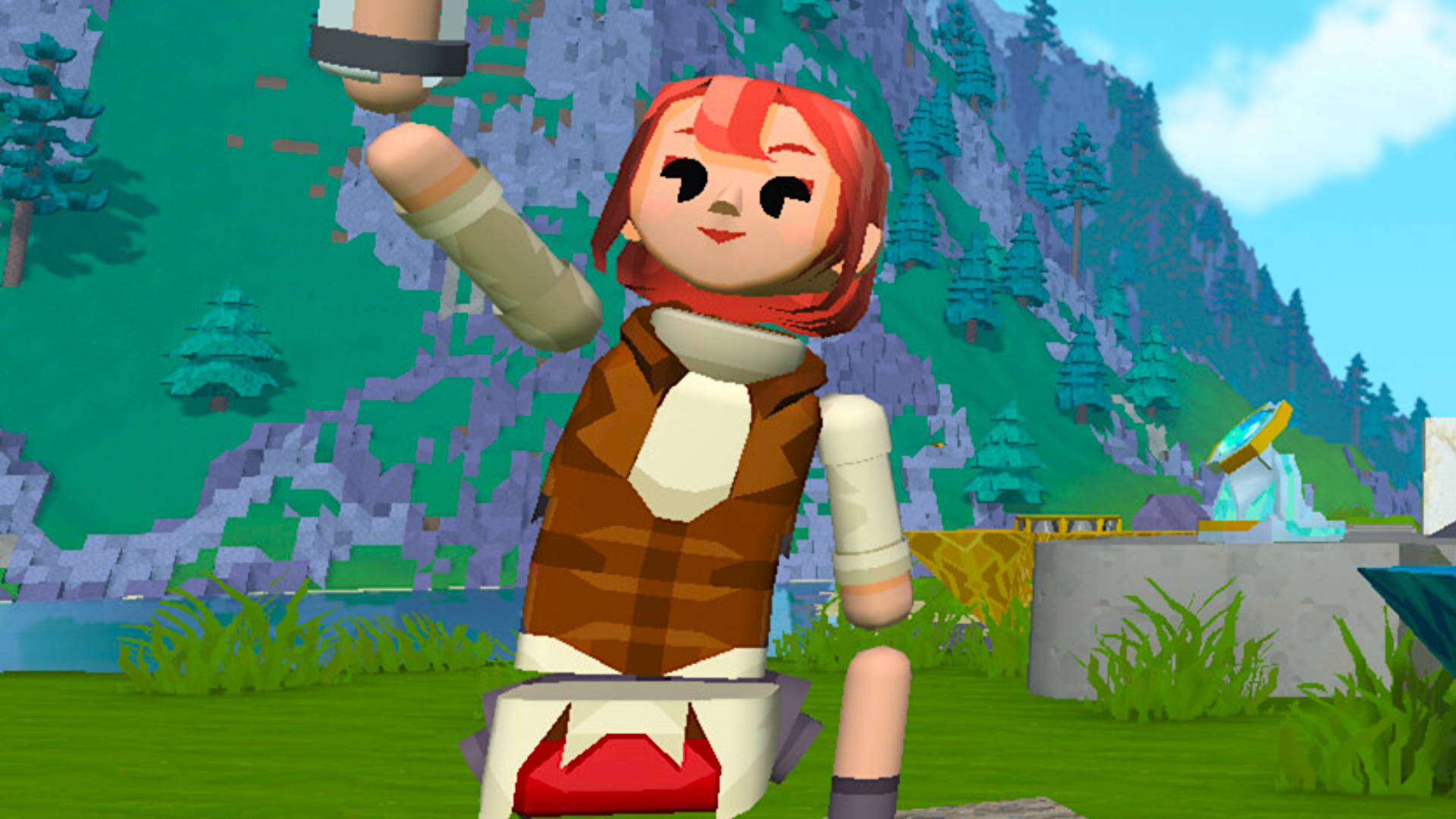
In a world saturated with video games, where visual spectacle often dictates the experience, finding a truly unique aesthetic style is more crucial than ever. Yet, despite advancements in graphical fidelity, many titles suffer from a frustrating homogeneity. The result is a landscape where countless games using powerful tools seem to blur into a single visual mold, offering brilliant technical achievement but lacking individual artistic character.
This phenomenon is particularly noticeable within the realm of Unreal Engine 5, a technology celebrated for its ability to render breathtakingly realistic environments. While UE5 offers developers unparalleled tools for creating stunning vistas and detailed textures, the sheer potential for aesthetic diversity often gets overshadowed by the pressure to achieve broad, recognizable visual standards. The engine provides the canvas; the real challenge lies in painting unique worlds onto that canvas.
The issue isn’t a lack of technical capability but rather a struggle with artistic execution. When developers focus primarily on achieving photorealism without deep stylistic commitment, the resulting landscapes—the dirt, water, and forests—often feel interchangeable. Every environment, no matter how detailed, risks feeling like a variation on a familiar theme rather than a singular, memorable place.
Creating truly unique game aesthetics requires moving beyond mere graphical settings and engaging with the deeper principles of environmental design. It demands that artists treat the physical elements of a world not just as assets to be placed, but as living entities with distinct histories and moods.
The breakthrough lies in harnessing these powerful tools to introduce deliberate stylistic choices. This involves manipulating lighting, material shaders, atmospheric effects, and geological structures to instill a specific tone—be it the melancholic dread of a dark fantasy, the vibrant energy of a tropical setting, or the stark isolation of a post-apocalyptic landscape.
By consciously focusing on how light interacts with terrain, how water flows through valleys, and how foliage grows under a unique climate, creators can move past generic realism and forge environments that possess a distinct identity. This shift transforms the game from a technically impressive demonstration into an immersive narrative experience.
The future of game development is not just about rendering more pixels; it is about fostering an environment where artistic vision thrives alongside technological power. Developers are increasingly embracing the freedom offered by powerful engines to explore unconventional visual grammars, pushing the boundaries of what a digital world can feel like. This commitment to unique aesthetics ensures that every new landscape we inhabit in virtual reality offers something truly original to discover and experience.
Buy on Amazon
Credit